Menu & categories

Red wine

Aromatic wine from red grapes – classic for cooking and enjoying.

Wiki about red wine Nutri-Score E Vegan No Gluten-free Yes Lactose-free Yes Nut-free Yes
NUTRITION / 100 ml
85 kcal 0.1 g Protein 2.6 g Kohlenhydrate 0.0 g Fett

Introduction

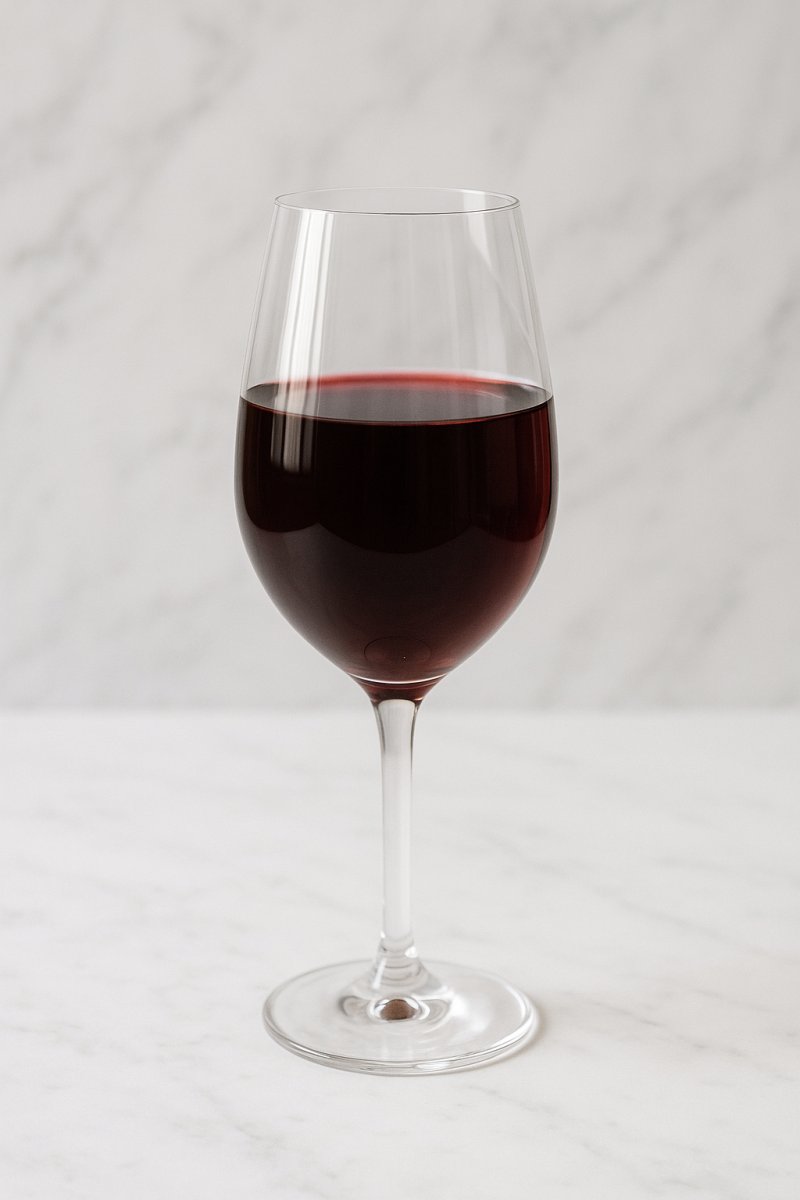
A bottle of red wine with a glass.
Red wine for me is more than just a drink; it is a conversation starter, a kitchen helper and sometimes even a small comfort patch after a long day. I still remember a rainy business trip when a glass of red wine with a stranger on the hotel balcony sparked such a lively conversation that we completely forgot the cold. Since then I see red wine as something that creates moments.

What makes red wine so fascinating is its variety. From light and fruity to rich and tannic – each grape variety tells a different story. A colleague of mine swears by Pinot Noir with roasted salmon, even though that sounds bold by classic rules. I tried it and was surprised how well the delicate berry notes complemented the smokiness of the fish.

Red wine also has fixed places in the kitchen. It gives stews depth, reduced to a glaze it gives roasts shine, and a splash in tomato sauce makes an amazing difference. Sometimes I cook a sauce and sip from an open glass beside me; for me it's a kind of quality control that is both practical and very enjoyable.

  • With food: robust red wines go with red meat, more elegant ones with poultry and mushrooms.
  • For cooking: dry wines are better suited than sweet ones because they give structure to sauces.
  • For enjoying: decanting often improves the bouquet, especially with young, tannic wines.
I like to encourage people to find their own rules. Once, at a small dinner, I served an unusual wine with chocolate; the mixture surprised all the guests and caused loud laughter. Such experiments remind me that wine should above all be fun.

Whether as a companion to a menu, as an ingredient in the pan or as a small ritual at the end of the day: red wine is a versatile friend that connects stories, guests and dishes while constantly revealing new facets.

Availability & types

Availability and types of red wine

Red wine is a very common ingredient and a beverage made from dark grapes. You can find it all year round in many shops and countries. But although red wine is always available, there are many different types and variants, and it comes from different regions of the world.

Origin and growing regions
Grapes for red wine grow in vineyards. Some places are particularly known for good red wine because the climate and soil there are well suited to grapes. Important regions include:

  • France – regions like Bordeaux and Burgundy are world-famous.
  • Italy – e.g. Tuscany and Piedmont with many classic varieties.
  • Spain – Rioja is a well-known area.
  • Germany – there is red wine here too, e.g. in the Palatinate or Rheinhessen.
  • USA – especially California produces a lot of wine.
  • Chile, Argentina, Australia, South Africa – these countries have large wine regions with warm climates.
You can imagine it like this: each region is a bit like an area where different types of fruit grow better. Grapes like warmth, sun and certain soils, and that makes the taste of the wine different.

Available varieties (grape varieties)
The grape from which a wine is made is called a grape variety. Each variety has its own taste. Common varieties are:

  • Cabernet Sauvignon – robust, with dark fruits; often slightly woody or spicy.
  • Merlot – usually softer and fruitier, easy to drink.
  • Pinot Noir – often described as a more delicate and elegant wine.
  • Syrah/Shiraz – spicy and sometimes peppery.
  • Sangiovese – typically from Italy, fresh and slightly tart.
  • Tempranillo – common in Spain, often has red fruit and spice notes.
  • Malbec – popular in Argentina, full-bodied and fruity.
Variants and characteristics
Red wine can be very different. Some words often used are briefly explained below:

  • Light-bodied – feels light in the mouth, similar to strong tea.
  • Full-bodied – has more flavor and feels “denser”, almost like fruity juice.
  • Tannin – substances that come from skins and seeds and create a slightly dry mouthfeel; it can be compared to black tea.
  • Vintage – the year the grapes were harvested. Some years produce particularly good wines.
  • Ageing – some wines mature in wooden barrels (called barrel ageing) and thus acquire particular, often vanilla or woody flavors.
  • Fortified wine – like port, to which additional alcohol has been added; it is sweeter and stronger.
  • Sparkling/red sparkling wine – there are also red sparkling wines, e.g. Lambrusco.
  • Organic and natural wine – made with less chemistry in the vineyard and sometimes processed more naturally.
Availability
You can get red wine in supermarkets, specialized wine shops, online stores and restaurants. There are inexpensive bottles for everyday use and expensive bottles that have been aged for a long time. So you can easily find a wine that fits your food or budget.

In summary: red wine is at home in many regions, comes in many grape varieties and variants, and is available almost everywhere. Its diversity makes it exciting — similar to different ice cream flavors, except here grapes and aging methods change the taste.
Details & nutrition

Property Value
Unit ml
Calories per 100 85
Protein per 100 0.1
Carbohydrates per 100 2.6
Sugar per 100 0.6
Fat per 100 0.0
Saturated fat per 100 0.0
Monounsaturated fat 0.0
Polyunsaturated fat 0.0
Fiber per 100 0.0
Vitamin C (mg) per 100 0.0
Vitamin D (IU) per 100 0
Calcium (mg) per 100 8
Iron (mg) per 100 0.4
Nutri-Score E
CO₂ footprint 0.17 kg CO2e/100 ml
Origin Depending on grape variety and bottling (often EU, e.g. France/Italy/Spain/Germany)
Gluten-free Yes
Lactose-free Yes
Nut-free Yes
Vegan No
Note Nutritional values may vary depending on alcohol content and residual sugar. Not all red wines are vegan (fining agents may be used).

Technical & scientific information

Red wine refers to an alcoholic beverage produced primarily by the alcoholic fermentation of musts from red or blue grapes in which skin contact occurs during fermentation, extracting color, tannins and other phenolic compounds from the grape skins. As an ingredient in the kitchen and as a research subject in food science and medicine, red wine is characterized by its complex chemical composition and diverse processing methods.

Chemical composition

  • Alcohol: Ethanol is the main component after water. Typical contents range from about 11 to 15% by volume.
  • Water: The largest volume fraction, usually over 80%.
  • Residual sugar and carbohydrates: Dry red wines typically contain 0–4 g sugar per 100 ml; off-dry and sweet wines considerably more.
  • Acids: Mainly tartaric acid, malic acid and small amounts of citric acid shape the acidity profile and influence pH and taste.
  • Phenolic compounds: Anthocyanins (for color), tannins, flavonoids and other polyphenols determine flavor, astringency and oxidation stability.
  • Volatile compounds: Esters, higher alcohols, aldehydes and terpenes contribute to aroma; their profile develops during fermentation and aging.
  • Minerals and trace elements: Potassium is often present at higher concentrations, along with calcium, magnesium and trace amounts of iron and phosphorus.
  • Sulfites: Often added as sulfur dioxide (SO2) for preservation and antimicrobial action; residues can trigger allergies.
Production and processing methods

  • Crushing and maceration fermentation: After destemming grapes are crushed, and the must remains in contact with the skins during fermentation to extract phenolic substances.
  • Alcoholic fermentation: Yeasts (predominantly Saccharomyces cerevisiae) convert sugars into ethanol and CO2; by-products influence aroma and texture.
  • Malolactic fermentation: A secondary fermentation by lactic acid bacteria (e.g. Oenococcus oeni) reduces perceived acidity by converting malic acid into the milder lactic acid.
  • Clarification and filtration: Fining agents or filtration are used to remove lees and achieve stability.
  • Aging: In stainless steel tanks, concrete tanks or oak barrels; the choice influences oxidation, woody aromas and polymerization of phenolic compounds.
Nutritional value and practical data

Per 100 ml an average dry red wine contains about 80–90 kcal (≈340–380 kJ), almost no fat and only traces of protein. Carbohydrates are usually below 4 g/100 ml. Nutrient density is low; however red wine provides bioactive secondary plant compounds such as polyphenols.

Health aspects

  • Polyphenols such as resveratrol and flavonoids are discussed for their antioxidant properties; however their bioavailable amounts in humans are limited.
  • Alcohol-related risks are well established: increased cancer risk, liver disease, dependence potential and negative interactions with medications. Even moderate amounts can carry risks.
  • Sulfites can provoke asthma attacks or intolerance reactions in sensitive individuals.
  • Recommendations emphasize moderate consumption; for certain groups (pregnant women, young people, people with certain illnesses) alcohol consumption is not recommended.
Use as an ingredient

In the kitchen red wine is used for deglazing, as a component of marinades and for reduction in sauces, where alcohol evaporates, aromas concentrate and phenolic notes transfer to the dish. With prolonged heating the ethanol fraction is reduced while flavors concentrate.

In summary, red wine is a complex mixture with pronounced phenolic, aromatic and alcoholic properties, whose sensory and health effects depend on production methods, amount consumed and individual sensitivity.

Wiki entry for: red wine
Active now: 20 visitors of which 2 logged-in members in the last 5 minutes