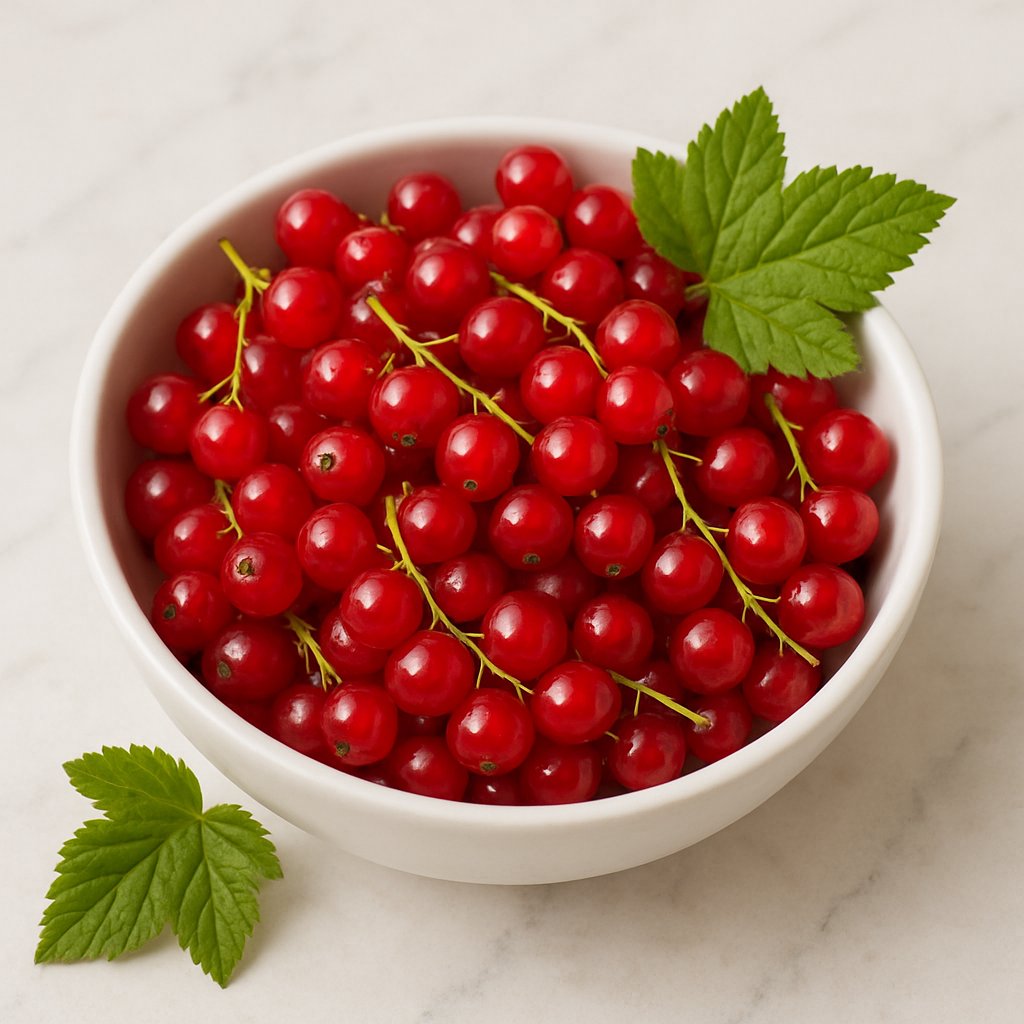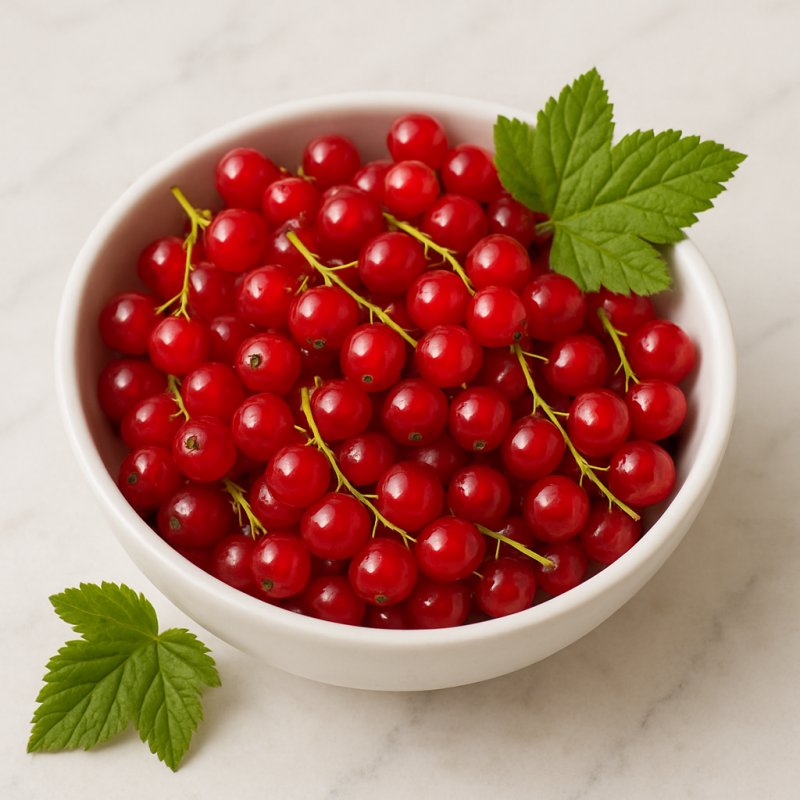
Availability and types of red currants
Red currants are small, shiny berries that often ripen in summer. If you want to know where they come from and which kinds exist, you're in the right place. I explain it as simply as possible so that even a 12‑year‑old child can understand it well.
Origin
Red currants originally come from Europe and parts of Asia. People have been gathering berries and cultivating plants for many hundreds of years. Plants have been improved to produce more and larger fruit and to be more resistant to weather or disease. You can imagine: people used to gather wild berries, today there are cultivated plants that are like “favorite varieties.”
Red currants originally come from Europe and parts of Asia. People have been gathering berries and cultivating plants for many hundreds of years. Plants have been improved to produce more and larger fruit and to be more resistant to weather or disease. You can imagine: people used to gather wild berries, today there are cultivated plants that are like “favorite varieties.”
Growing regions
Red currants grow best where it is not too hot and there is sufficient rainfall. Well-known growing regions include:
Red currants grow best where it is not too hot and there is sufficient rainfall. Well-known growing regions include:
- Central Europe (for example Germany, Poland, Netherlands) – many currants grow here because the climate is similar to traditional conditions.
- Scandinavia (Sweden, Norway) – the berries like the cooler summers there.
- British Isles – many currant fields are found here as well.
- Parts of North America – in cooler regions currants also grow well.
In supermarkets you will see most red currants in season, i.e. in summer. Sometimes frozen berries are also available year-round.
Available varieties and forms
A variety is like a specific type of plant with particular characteristics – for example larger fruit or better flavor. A variant can be a slightly altered form. Here are some typical varieties and how they differ:
A variety is like a specific type of plant with particular characteristics – for example larger fruit or better flavor. A variant can be a slightly altered form. Here are some typical varieties and how they differ:
- Fruity varieties – these berries are particularly sweet or full-flavored. They are good for eating fresh or for desserts.
- Juicy varieties – these are used for juice or syrup because they contain a lot of juice.
- Robust varieties – these plants are more resistant to bad weather or disease and are suitable for gardens.
- Breeding novelties – growers continually develop new varieties that keep longer, ripen earlier or taste more intense.
Sometimes you'll also find different packings in the shop: small trays of fresh berries, frozen berries or preserves (canned berries). Frozen berries are practical because they are frozen soon after harvest and thus retain their aroma – almost like a time travel back to summer.
In summary: red currants originate from Europe/Asia, today they grow in many cool regions of the world and are available fresh in summer. There are many varieties – sweet, juicy or particularly robust – and different forms, such as fresh, frozen or preserved berries. So you can almost always find a suitable option, whether you want to snack on them, use them in cakes or make juice.