Menu & categories

Dried plums

Dried plums: a fiber-rich, natural sweetness

Wiki about prune Nutri-Score B Vegan Yes Gluten-free Yes Lactose-free Yes Nut-free Yes
NUTRITION / 100 g
240 kcal 2.2 g Protein 63 g Kohlenhydrate 0.4 g Fett

Introduction

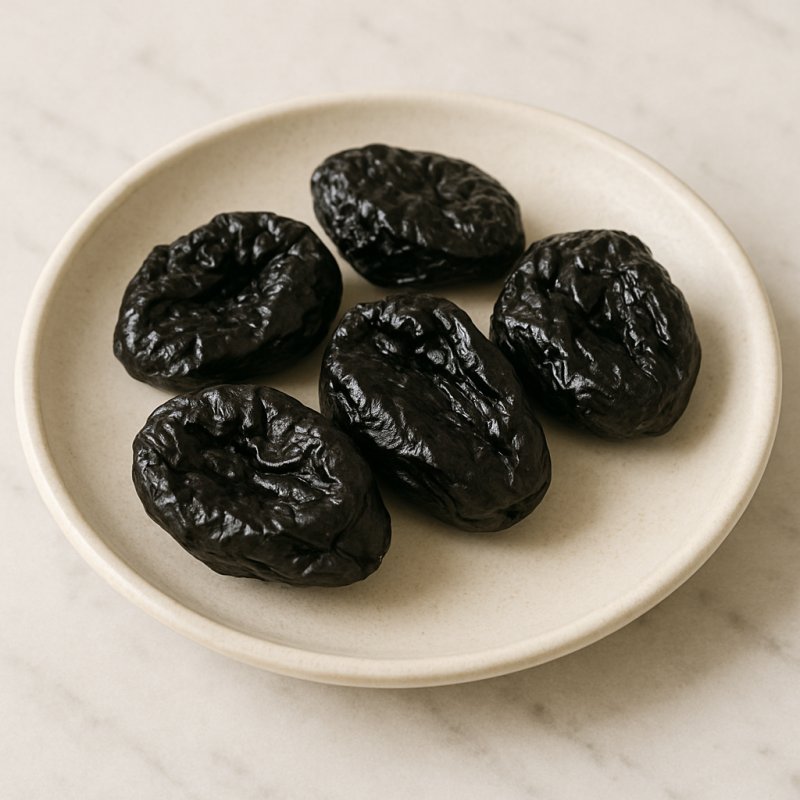
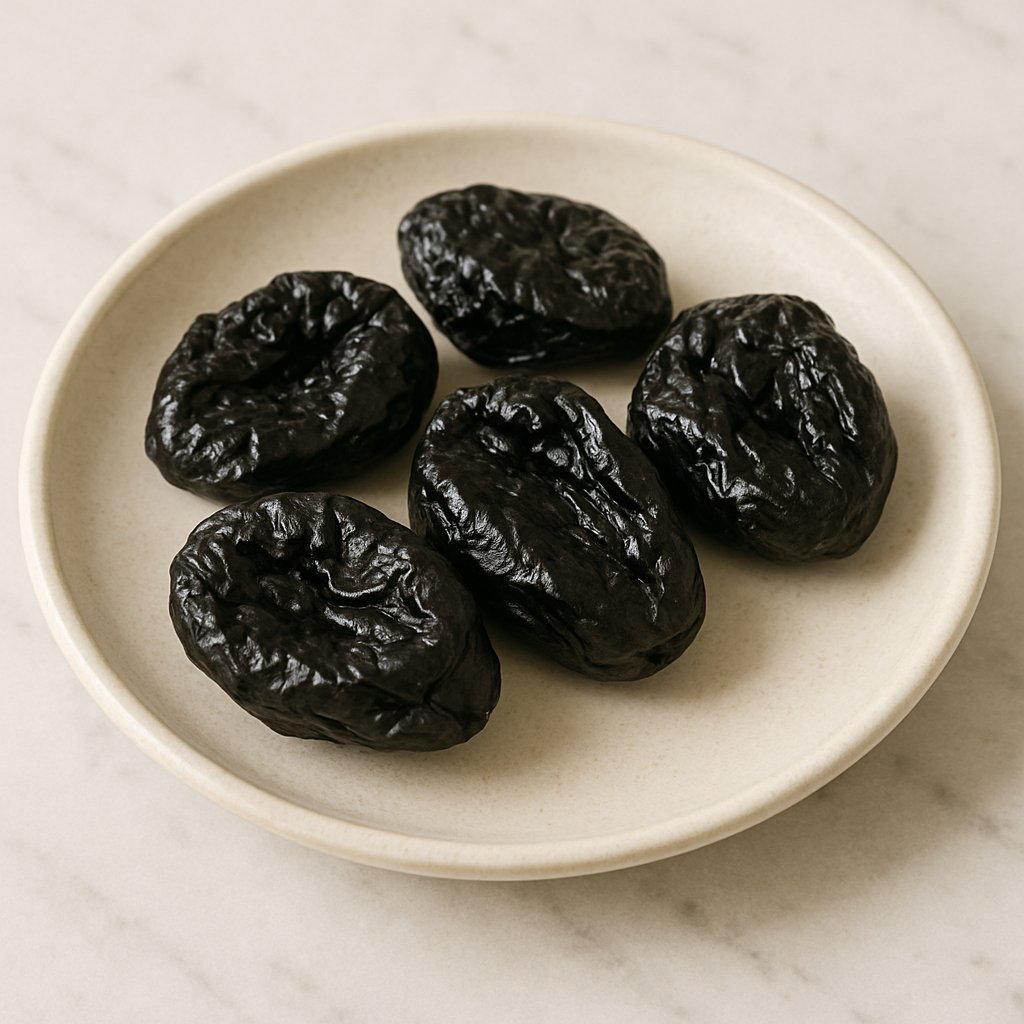
Dried plums on a plate
I still clearly remember the first plate of dried plums that came into my hands on a gray November trip: dark and glossy, warming in scent and surprisingly tender to the bite. Since then, dried plums have become a constant companion in my kitchen, whether as a sweet snack, a secret ingredient in savory dishes, or a lifesaver for cakes that suddenly collapse. A colleague of mine once jokingly called them "culinary trojans," because smuggled into almost any meal they simply add great depth and moisture.

What I love about these fruits is their versatility. They are not only practical to store, but also variable in flavor: sometimes caramel-like, sometimes slightly tart, always with that subtle, dark fruit note. In my storage jar they like to hide between nuts and dark chocolate; in no time I can turn them into an energy-rich breakfast topping or a quick sauce for lamb and poultry.

A few things I've learned when working with dried plums:

  • Soaking makes them juicy and flexible — ideal for purées or fillings.
  • Seasoning with cinnamon, clove or a splash of red wine greatly enhances their aromas.
  • Blending with nuts and oats produces energy bars in no time.
I find it fascinating how dried plums can rescue old baking recipes: an overly dry loaf is brought back to life by finely chopped plums. At a market I once watched an older vendor sprinkle plums with a pinch of sea salt — a combination that has since given me surprising flavor harmonies again and again.

For anyone still hesitating: try them finely chopped in salads, puréed as a base for marinades, or simply on their own for an afternoon break. Dried plums are uncomplicated, flavorful and often the little secret that makes dishes more interesting. Honestly, they belong in every kitchen that likes to play with textures and deep, fruity flavors.

Availability & types

Availability and types

Dried plums, which many people also call prunes, are easy to find in many countries. You can buy them in supermarkets, health-food stores, at weekly markets or online. They are available year-round because drying makes them shelf-stable. During drying the water is removed from the plums, similar to drying clothes in the sun — only the fruit is dried so it doesn't spoil quickly.

Origin
Plums originally come from regions with a temperate climate. Many dried plums come from countries such as Spain, France, the USA (especially California), Chile and some areas of Eastern Europe. Each of these countries has its own climate and growers who cultivate plums. You can imagine it like apples: there are many places where they grow well, and likewise there are several regions where plums are grown for drying.

Growing regions
The main growing regions for plums are often warm and sunny, but with enough water. For example, California is known for its large plum orchards. In Europe, regions in Spain and France are important. In Eastern Europe farmers grow plums in smaller quantities, often in gardens. These regions are suitable because the plum likes sun but also needs cool nights — this helps the fruits become sweet and dry well.

Available varieties and variants
Dried plums come in various forms and varieties, similar to dried grapes or bananas. Here are the main types you find in stores:

  • Part-ripe, dark baking plums: These are soft and have a dark color. They are very popular because they remain sweet and juicy. Many people eat them plain or use them in cakes and mueslis.
  • Stoned (pitted) plums: This variant has the pit removed to make them easier to eat or use in recipes. You can think of them as little pouches containing only the flesh.
  • With pit (whole fruits): Some dried plums still contain the pit. They sometimes retain their shape better and taste a bit different because the pit can impart flavor.
  • Sugared or caramelized variants: For those who prefer sweeter options, there are plums treated with sugar or syrup. It's like other dried fruits that are additionally sweetened — tasty but sweeter.
  • Organic and untreated plums: These are dried without artificial additives. They are labeled "organic" when farmed according to certain rules. They are often somewhat more expensive, but more natural.
  • Affined or flavored plums: Sometimes dried plums are spiced with cinnamon or soaked in alcohol — this makes them special for holidays or desserts.
For children you can say: dried plums are like small, sweet energy snacks made from regular plums, only the water is gone. Depending on the variety they are soft or a bit firmer, with or without the pit, plain or extra sweet. That way almost everyone can find a version they like, and they are available in shops all year round.
Details & nutrition

Property Value
Unit g
Average weight per piece 8
Calories per 100 240
Protein per 100 2.2
Carbohydrates per 100 63
Sugar per 100 38
Fat per 100 0.4
Saturated fat per 100 0.1
Monounsaturated fat 0.1
Polyunsaturated fat 0.1
Fiber per 100 7
Vitamin C (mg) per 100 1
Vitamin D (IU) per 100 0
Calcium (mg) per 100 40
Iron (mg) per 100 0.9
Nutri-Score B
CO₂ footprint 0.8
Origin Depending on the supplier, mostly Europe, partly South America
Gluten-free Yes
Lactose-free Yes
Nut-free Yes
Vegan Yes
Note Dried plums are rich in fiber and natural sugars and can help support digestion.

Technical & scientific information

Dried plums (often also called prunes) are the dehydrated form of ripe plums made shelf-stable by water removal. They are characterized by a dark purple to black color, a chewy, soft texture and a sweet-tart taste. Dried plums are used both as a snack and as an ingredient in food processing and cooking and have a characteristic chemical composition that makes them nutritionally and technologically interesting.

Production and processing methods
The basic principle of production is the removal of water from fresh plums by drying. Common methods include:

  • Sun drying: A traditional method in which fruits are dried in the sun for several days. This method is inexpensive but weather-dependent and more susceptible to microbial contamination.
  • Hot-air or convection drying: Common in industry; controlled temperature and airflow allow uniform drying and shorter times.
  • Freeze-drying: Results in very good sensory and nutrient-preserving outcomes, but is costly.
  • Steam or blanching treatments: Pretreatments such as brief heating or sulfuring can stabilize color, inhibit enzyme activity and increase microbiological safety.
Chemical composition and nutritional values
Dried plums contain a much higher proportion of dry matter compared to fresh plums, so nutrient concentrations per 100 g increase. Typical constituents are:

  • Water: Residual moisture often ranges between 15–25%.
  • Carbohydrates: Around 60–70% of the dry matter, mainly saccharides such as glucose, fructose and sucrose; also soluble fibers like pectin and polysaccharides.
  • Dietary fiber: High content of soluble and insoluble fibers, especially pectin and cellulose, which together contribute to the regulatory effect on bowel function.
  • Vitamins and minerals: Relatively high concentrations of potassium, moderate amounts of vitamin K, vitamin A precursors (beta-carotene) and smaller shares of B vitamins.
  • Phenolic compounds and antioxidants: Anthocyanins, chlorogenic acid, flavonoids and other polyphenols with antioxidant properties.
  • Organic acids: Mainly malic and citric acid, which contribute to flavor.
Functional and health aspects
Dried plums are often associated with positive effects on digestion. The main mechanisms are:

  • Stool-regulating effect: The high fiber content and sorbitol (a sugar alcohol found in plums) promote water retention in the intestine and peristalsis, which can help relieve constipation.
  • Prebiotic effects: Certain indigestible fractions can support the growth of beneficial gut bacteria.
  • Antioxidant action: Polyphenols contribute to the reduction of oxidative stress; clinical relevance for prevention is the subject of ongoing research.
  • Mineral supply: Especially potassium can contribute to electrolyte balance; at the same time sodium content is low.
Safety and quality aspects
In processing, microbiological safety and control of water activity are central. Too high residual moisture favors mold growth, while excessive heating can impair sensory and nutritional properties. In industry sulfur compounds are sometimes used to prevent color changes; declarable sulfites can cause reactions in sensitive individuals. Attention should also be paid to sugar content, since dried fruits are energy-dense and excessive consumption can lead to increased calorie intake.

Use and storage
Dried plums are eaten plain or used in baked goods, mueslis, sauces and savory dishes. For longer shelf life they should be stored dry, cool and protected from light; vacuum packaging or exclusion of air reduces oxidation and drying out. When used in recipes it is useful to rehydrate them in warm water, juice or alcohol to restore texture and volume.

In summary, dried plums are a nutrient-rich food high in fiber and polyphenols with specific technological requirements in production and storage as well as well-documented digestive effects. Their nutritional properties make them a valuable ingredient in the kitchen and in functional foods, with portion sizes and potential sulfite exposure to be considered.

Wiki entry for: prune
Active now: 18 visitors of which 2 logged-in members in the last 5 minutes