Menu & categories

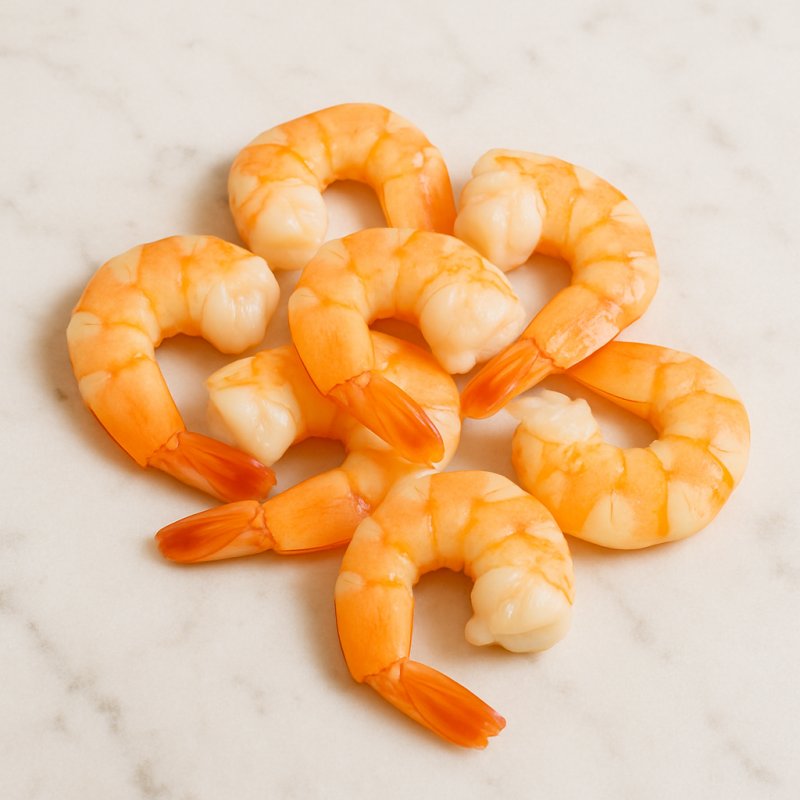
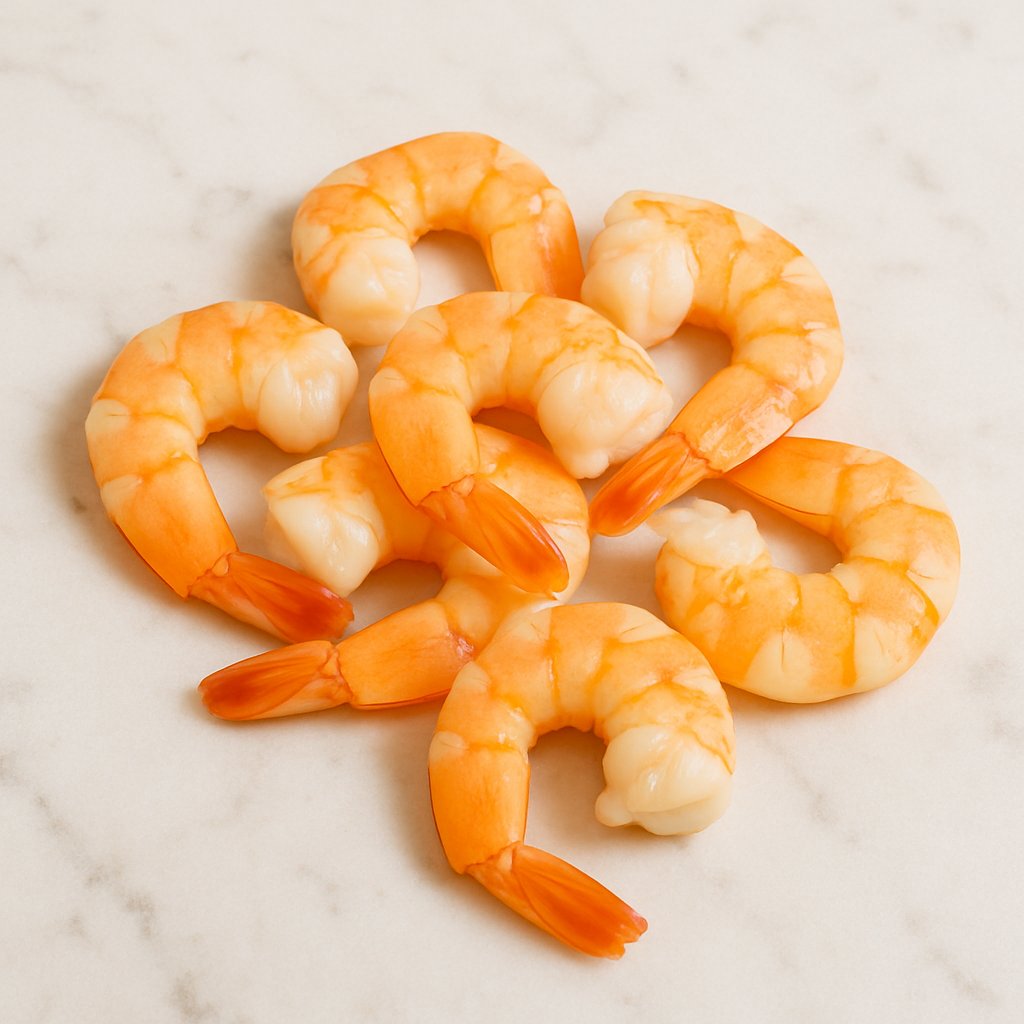
Pre-cooked shrimps

Delicious, quick-to-prepare seafood

Wiki about precooked shrimp Nutri-Score B Vegan No Gluten-free Yes Lactose-free Yes Nut-free Yes
NUTRITION / 100 g
100 kcal 24 g Protein 0 g Kohlenhydrate 1 g Fett

Introduction

Pre-cooked shrimps on a plate
I still remember well the first time I sat in a small, cozy restaurant by the sea. The sun was just setting, and the scent of freshly prepared seafood hung in the air. Suddenly I realized how much I loved shrimp – and how much easier they are to handle in the kitchen when they are already pre-cooked. These little seafood items are not only delicious but also incredibly versatile.

Pre-cooked shrimp are a true treasure in the kitchen. They save time and effort, especially on busy weekdays when I just want to get something on the table quickly. I remember one evening when a colleague dropped by unexpectedly. I had just come up with the idea to make a pasta with shrimp. In less than 20 minutes I had created a delicious dish. The shrimp were perfect, tender and full of flavor – exactly what I needed to leave a stressful day behind.

The advantages of pre-cooked shrimp are many:

  • Time saving: No long cooking times! Just warm them up or sear briefly.
  • Versatility: They can be used in a wide variety of dishes – from salads to pasta to Asian wok dishes.
  • Flavor: They are often treated with spices or marinades that enhance their taste.
I remember summer evenings when we had barbecues. Once I simply marinated the shrimp with a bit of garlic, lemon and olive oil and put them on the grill. The guests loved them, and I had very little work in the kitchen. That makes cooking so much easier for me and at the same time much more fun.

It is also important to pay attention to the quality of pre-cooked shrimp. I recommend getting them from trusted sources to ensure they are fresh and have the right texture. Sometimes they are a little more expensive, but the result is definitely worth it.

In summary, I can say that pre-cooked shrimp are not only a convenient ingredient but also a real flavor booster. Whether you want to create a quick dinner or an elaborate dish for guests, they are the perfect choice. So grab a package and get inspired. The possibilities are endless!

Availability & types

When we talk about pre-cooked shrimp, many people think of delicious dishes that can be made with these little seafood treats. But where do these shrimp actually come from, and what different types are there? Let's take a look together!

Origin

Shrimp, also known as prawns, are small crustaceans that live in many waters around the world. They can be found in freshwater like rivers and lakes or in saltwater like the sea. Most of the shrimp we buy at the supermarket come from two main regions: the Pacific Ocean and the Atlantic Ocean. Some of the best-known countries that produce shrimp are:

  • Thailand
  • Vietnam
  • India
  • USA (especially in the Gulf of Mexico)
Shrimp from these countries are often raised on large farms, where they grow under controlled conditions. That means farmers make sure the water is clean and the shrimp have enough to eat. In the wild, shrimp often live in large swarms and like to hide among plants or in the sand.

Farming areas

In shrimp farms different species of shrimp are intentionally raised. These mainly include Whiteleg-Shrimps and Black Tiger Shrimps. These species are particularly popular because they grow quickly and have a tasty flavor. Farmers take care to keep the shrimp healthy by feeding them regularly and keeping their environment clean.

Available varieties and types

There are many different varieties of shrimp, and they differ in size, color and taste. Here are some of the most common types you can find in stores:

  • Pre-cooked shrimp: These shrimp are already cooked and can be used directly in salads, pasta or on pizza. They are very convenient because you only need to reheat them.
  • Raw shrimp: These shrimp are not yet cooked and need to be prepared before eating. You can fry them, grill them or cook them in a soup.
  • Peeled shrimp: For these shrimp the shell has already been removed, so they can be used immediately. This saves time in the kitchen!
  • With shell: Some people prefer shrimp with the shell, as they release a more intense flavor when cooked. However, these must be peeled before eating.
The color of shrimp can range from pink to gray to greenish, depending on the species and farming conditions. When cooked, they often turn pink and look very appetizing. Shrimp are not only tasty, they are also rich in protein and contain important nutrients.
Details & nutrition

Property Value
Unit g
Average weight per piece 15
Calories per 100 100
Protein per 100 24
Carbohydrates per 100 0
Sugar per 100 0
Fat per 100 1
Saturated fat per 100 0
Monounsaturated fat 0
Polyunsaturated fat 0
Fiber per 100 0
Vitamin C (mg) per 100 0
Vitamin D (IU) per 100 0
Calcium (mg) per 100 50
Iron (mg) per 100 1
Nutri-Score B
CO₂ footprint 1.5
Origin Indian Ocean
Gluten-free Yes
Lactose-free Yes
Nut-free Yes
Vegan No
Note Ideal for salads and pasta dishes.

Technical & scientific information

Pre-cooked shrimp are a popular ingredient in modern cuisine, especially in Asian and Mediterranean dishes. They are characterized by their delicate taste and versatile use. These seafood belong to the family of crustaceans and are available in many different species, with the most commonly consumed being the White Shrimp and Black Tiger Shrimp. The pre-cooked variant offers the advantage of already being cooked, thus significantly reducing preparation time.

The chemical composition of shrimp is remarkable and contributes to their nutritional value. They consist mainly of water (approx. 75-80%), protein (approx. 15-20%) and a small amount of fat (approx. 1-3%). Shrimp are an excellent source of high-quality protein, which provides essential amino acids the body needs to repair tissue and maintain muscle mass.

In addition, shrimp contain important minerals and vitamins. The most significant nutrients include:

  • Vitamin B12: Important for the formation of red blood cells and nervous system function.
  • Iron: Essential for oxygen transport in the blood.
  • Zinc: Supports the immune system and plays a role in numerous enzymatic reactions.
  • Omega-3 fatty acids: Promote heart health and have anti-inflammatory properties.
The processing methods for shrimp are varied. In the production of pre-cooked shrimp, the fresh seafood are first cleaned, then cooked and often blast-frozen to preserve freshness and nutrients. Pre-cooking also reduces the risk of bacterial contamination. The pre-cooked form allows shrimp to be used quickly without having to cook them again. They can be easily integrated into dishes or briefly seared to intensify their aromas.

Health aspects of pre-cooked shrimp are also important. They are relatively low in calories and suitable for a balanced diet. However, consumers should pay attention to the quality and origin of the shrimp. Wild-caught shrimp are often considered more sustainable and healthier compared to farmed varieties, which may be treated with antibiotics and other chemicals. Additionally, people with a shrimp allergy should be cautious, as seafood allergens can cause severe reactions.

Another important point is the sustainability of shrimp farming. Overfishing of wild stocks has reached worrying levels in recent years. Therefore, it is advisable to look for products with appropriate sustainability certifications, such as the Marine Stewardship Council (MSC) or the Aquaculture Stewardship Council (ASC).

Overall, pre-cooked shrimp offer a practical and nutritious option for quick meal preparation.

Wiki entry for: precooked shrimp
Active now: 20 visitors of which 2 logged-in members in the last 5 minutes