Menu & categories

Pre-cooked oat flakes

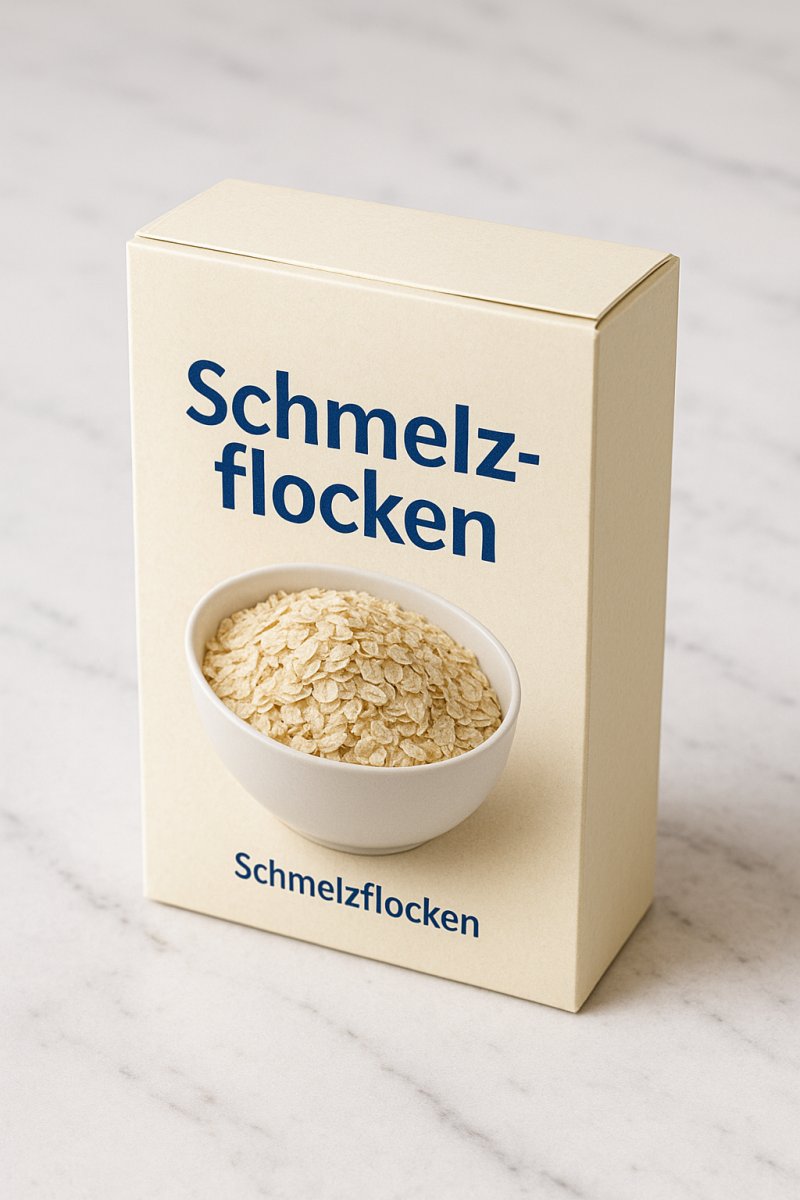
Pre-cooked oat flakes for particularly fine porridges and baked goods.

Wiki about semolina flake Nutri-Score A Vegan Yes Gluten-free No Lactose-free Yes Nut-free Yes
NUTRITION / 100 g
370 kcal 13.0 g Protein 60.0 g Kohlenhydrate 7.0 g Fett

Introduction

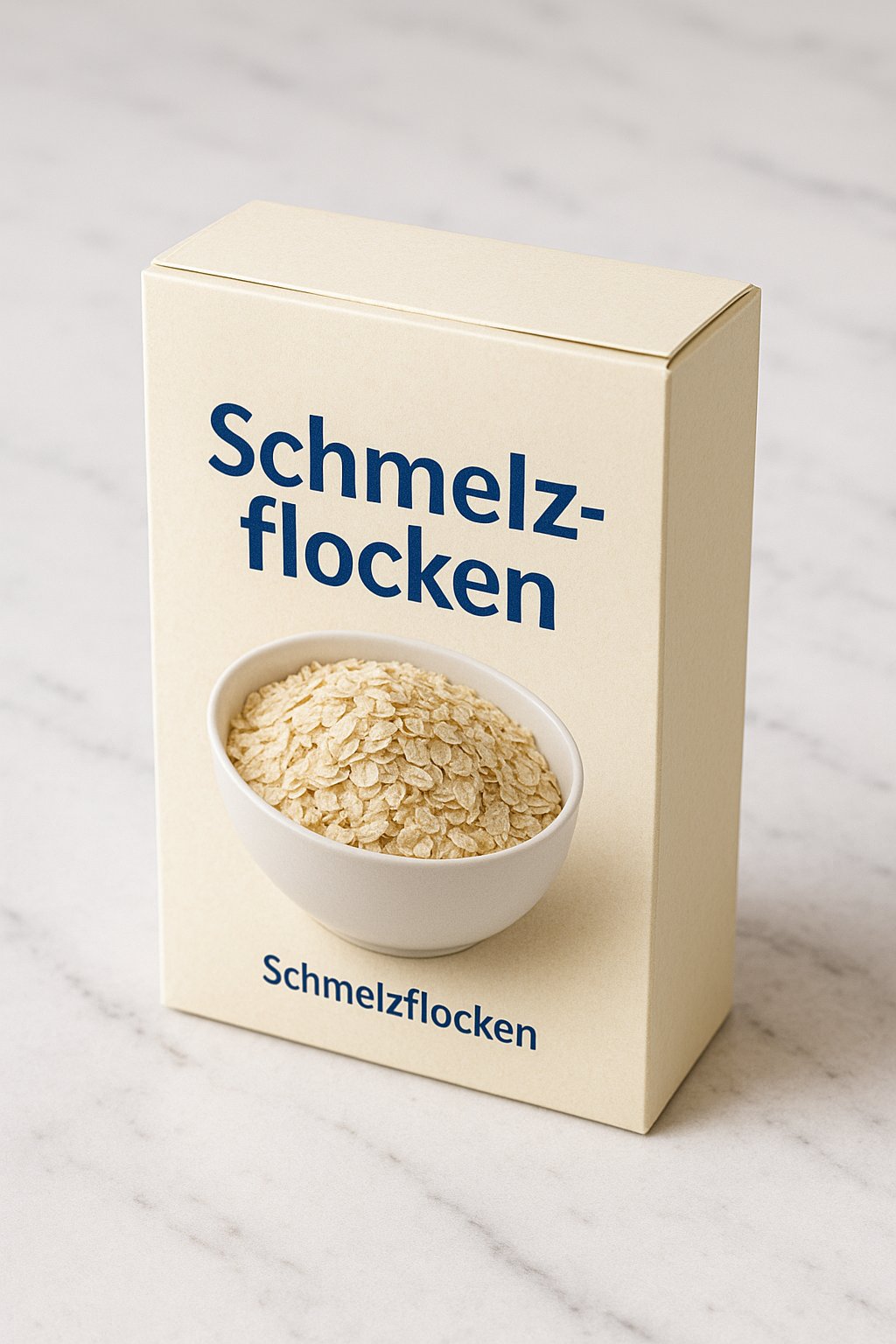
Bowl with fine pre-cooked oat flakes
I have to admit, when I first came across pre-gelatinized flakes, I thought: sounds like something from molecular gastronomy. In truth they are rather humble kitchen heroes – precooked, flat-rolled cereal flakes that in hot liquid melt so nicely that they add creaminess without sticking. I still remember a rainy Sunday afternoon when I was struggling with a failed pudding and a colleague of mine spontaneously stirred in a handful of pre-gelatinized flakes. Seconds later the sauce was silky-smooth, and we were both amazed.

What I love about pre-gelatinized flakes is their versatility and ease of use. They are not only a classic base for delicate porridges, but are also excellent as:

  • a binding agent in meatballs or casseroles
  • a thickener for soups and sauces
  • a smooth component in desserts or breakfast porridges
  • a gentle ingredient for baby food and easy-to-digest meals
In my kitchen I often use pre-gelatinized flakes when I want a quick, creamy texture without hours of simmering. A little trick a dear neighbor once told me: let the flakes soak in cold liquid first and then heat them, that way you won't get lumps. They are also a practical pantry staple – dry, long-lasting and always ready when creative improvisation is needed.

One should not forget to check the type of grain: classic pre-gelatinized flakes are often wheat-based and therefore contain gluten; there are also oat varieties for those who prefer a milder flavor. Nutritionally they are mainly a source of carbohydrates, but also provide some protein and fiber depending on the variety.

In the end pre-gelatinized flakes are, to me, a small comfort tool: unassuming but reliable. Whether as a rescue for an overly thin sauce, as the base for a comforting porridge on hectic mornings, or as a secret enhancer in savory dishes – they deserve a permanent spot in the kitchen cupboard.

Availability & types

Availability and types of pre-gelatinized flakes

What are pre-gelatinized flakes?
Pre-gelatinized flakes are small, flat cereal flakes processed so that they soften quickly in warm liquid and “melt”. You can think of them like very fine rolled oats or an instant product: instead of cooking for a long time, they dissolve quickly and become creamy. This makes them particularly popular for baby food, porridge or for quickly thickening dishes.

Where do they come from?
Pre-gelatinized flakes begin their life as ordinary cereal grains. The cereals grow in fields in temperate regions – that is, where it is neither too hot nor too cold. In Europe this includes countries such as Germany, France or Poland; worldwide cereal grains are also grown in North America and other regions. After harvest the grains are cleaned, steamed and rolled into thin flakes. Steaming alters the starch in the grain so that the flakes swell especially easily in liquid – this is why they are called “melting” flakes.

What varieties and variants are there?

  • By cereal type: The most common are wheat pre-gelatinized flakes and oat pre-gelatinized flakes. There are also variants made from rye, barley or corn. Each cereal has a slightly different taste: oats are nutty, wheat is milder.
  • Whole grain vs. refined: Whole grain pre-gelatinized flakes contain more fiber and appear a bit darker. Finer, pale flakes have had the outer bran removed and are somewhat more neutral in taste.
  • Instant vs. coarse: Some flakes are extra fine or “instant” – they dissolve very quickly in milk for infants or in soup. Others are coarser and require a little more time, but remain slightly more textured.
  • Gluten-free variants: For people with gluten intolerance there are pre-gelatinized flakes made from rice, corn or buckwheat. For oats a gluten-free label is often necessary because they can be contaminated with wheat during cultivation.
  • Organic and conventional: Pre-gelatinized flakes are available in organic quality when the cereals are grown without certain pesticides and according to ecological rules.
Where can you buy pre-gelatinized flakes?
Pre-gelatinized flakes can be found in supermarkets (usually in the baby or baking aisle), in health food stores, natural food shops and online. They are offered in various package sizes: small packs for occasional use or larger bags for families and heavy users. Sometimes they are also available loose in zero‑waste shops.

What should you look for when buying?
Check the label: which cereal is used, whether it is whole grain, gluten-free or organic. If you are cooking for a baby, look for special baby pre-gelatinized flakes that are often finely tuned. Instant varieties are practical for quick use; choose the coarser variety for more bite.

In summary: pre-gelatinized flakes are readily available processed cereal flakes that come in many varieties – from wheat and oats to gluten-free alternatives. You can find them almost anywhere food is sold, and you can choose between fine, coarse, whole grain or organic depending on your needs.
Details & nutrition

Property Value
Unit g
Calories per 100 370
Protein per 100 13.0
Carbohydrates per 100 60.0
Sugar per 100 1.0
Fat per 100 7.0
Saturated fat per 100 1.2
Monounsaturated fat 2.7
Polyunsaturated fat 2.4
Fiber per 100 10.0
Vitamin C (mg) per 100 0
Vitamin D (IU) per 100 0
Calcium (mg) per 100 54
Iron (mg) per 100 4.3
Nutri-Score A
CO₂ footprint 0.09 kg CO2e/100g
Origin EU
Gluten-free No
Lactose-free Yes
Nut-free Yes
Vegan Yes
Note Pre-cooked, finely processed oat flakes that swell quickly; ideal for porridge, baby food and baking.

Technical & scientific information

Pre-gelatinized flakes are thermally pretreated cereal flakes that, through heat and moisture exposure and mechanical deformation, are modified so that the starch fractions contained are partially or fully pregelatinized and, when heated in liquid, rapidly form a soft, “melting” consistency. They are produced industrially from various cereals; common examples are wheat, oat and corn pre-gelatinized flakes, with composition and functionality differing according to the source cereal.

Chemical basic composition: The main component of pre-gelatinized flakes is starch, composed of amylose and amylopectin. Typical macronutrient contents are in the range of about 60–75 g carbohydrates per 100 g, 6–14 g protein, 1–6 g fat and 2–10 g fiber, depending on the cereal and the degree of milling. In addition, pre-gelatinized flakes contain minerals (e.g. potassium, magnesium, iron) and water-soluble B vitamins; commercial products are occasionally fortified with iron or vitamins.

Manufacturing process: Production includes several technical steps:

  • Cleaning and sorting of the raw grain to remove impurities.
  • Crushing or rolling to adjust the particle size of the grain material.
  • Hydrothermal treatment (steaming, cooking or extrusion), during which starch gelatinizes and enzymes are inactivated.
  • Drying and subsequent rolling into flat flakes.
  • Optional roasting or magnetic separation and packaging under controlled conditions.
Physical and functional properties: Due to pregelatinization, pre-gelatinized flakes exhibit pronounced water absorption, rapid swelling behavior and high binding capacity. The starch forms a viscous matrix when heated, which is used to improve texture in soups, sauces, porridges and baked goods. These properties are measured by pasting profiles (e.g. with an RVA device), viscosity measurements and retrogradation tests. The pretreatment also affects freeze–thaw stability and the tendency to retrogradation (firming during storage).

Nutritional and health aspects: Pregelatinization increases starch digestibility and therefore often the glycemic effect compared with unprocessed whole grain flakes. The higher proportion of rapidly available carbohydrates increases the rate of glucose release, which can be relevant for people with insulin resistance or diabetes. On the other hand, fiber-rich variants and the use of oats promote satiety and can have positive effects on the lipid profile. In wheat pre-gelatinized flakes the presence of gluten should be noted; gluten-free alternatives can be made from rice, corn or millet. Furthermore, hygiene standards and control of mycotoxins (e.g. DON) are important safety aspects.

Applications: Pre-gelatinized flakes are used in a variety of applications, including:

  • Baby food and breakfast porridges, because they soften quickly and provide a homogeneous texture.
  • Soups, sauces and ready meals as thickeners and binding agents.
  • Baked goods and snacks to improve crumb, moisture retention and freshness preservation.
Storage and labeling: Pre-gelatinized flakes should be stored dry, cool and protected from light to avoid rancidity and moisture uptake. Packages should state the source cereal, allergens (e.g. gluten), nutritional values and, if applicable, fortification with micronutrients.

In summary, pre-gelatinized flakes are processed cereal products with high functional versatility, whose nutritional properties depend strongly on the choice of raw material and degree of processing. They offer practical advantages for food technology but require careful selection and labeling with respect to health issues such as glycemic load and allergens.

Wiki entry for: semolina flake
Active now: 20 visitors of which 2 logged-in members in the last 5 minutes