Availability and types of powdered sugar
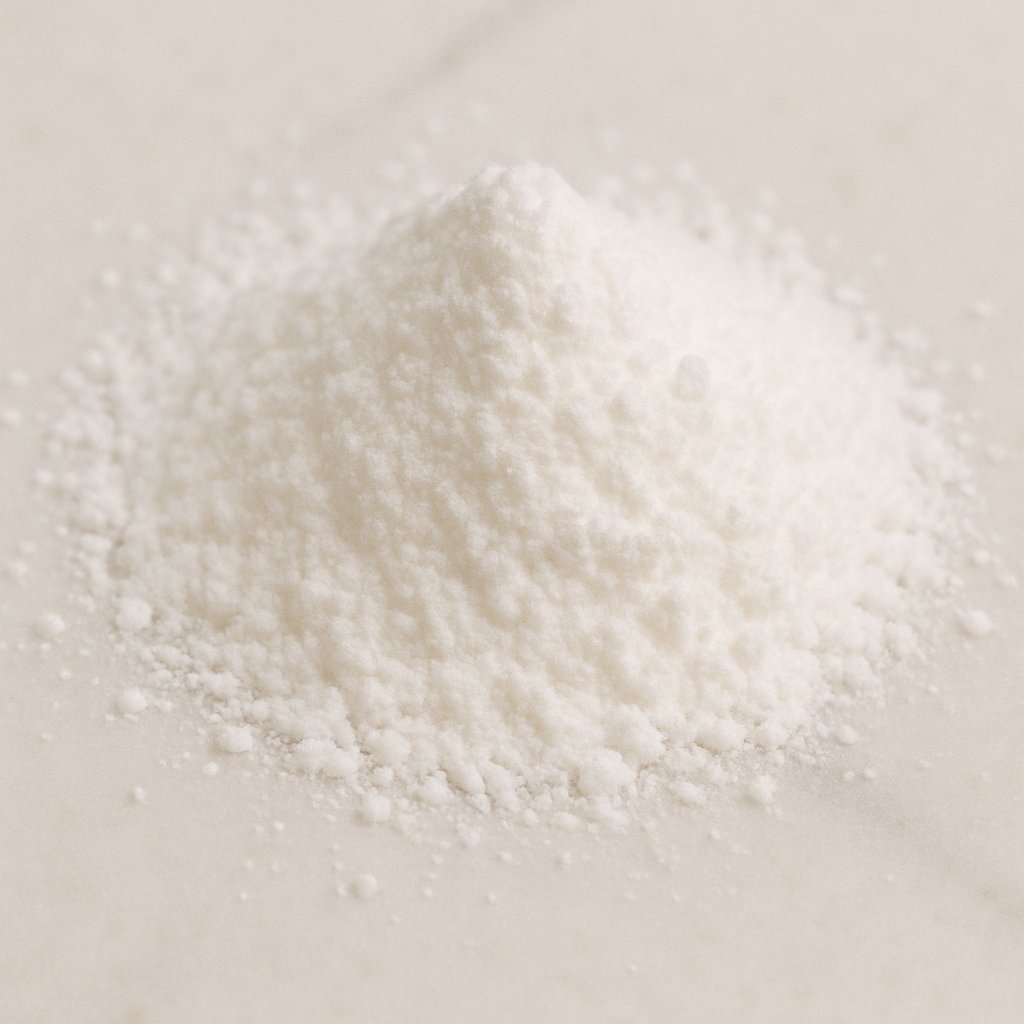
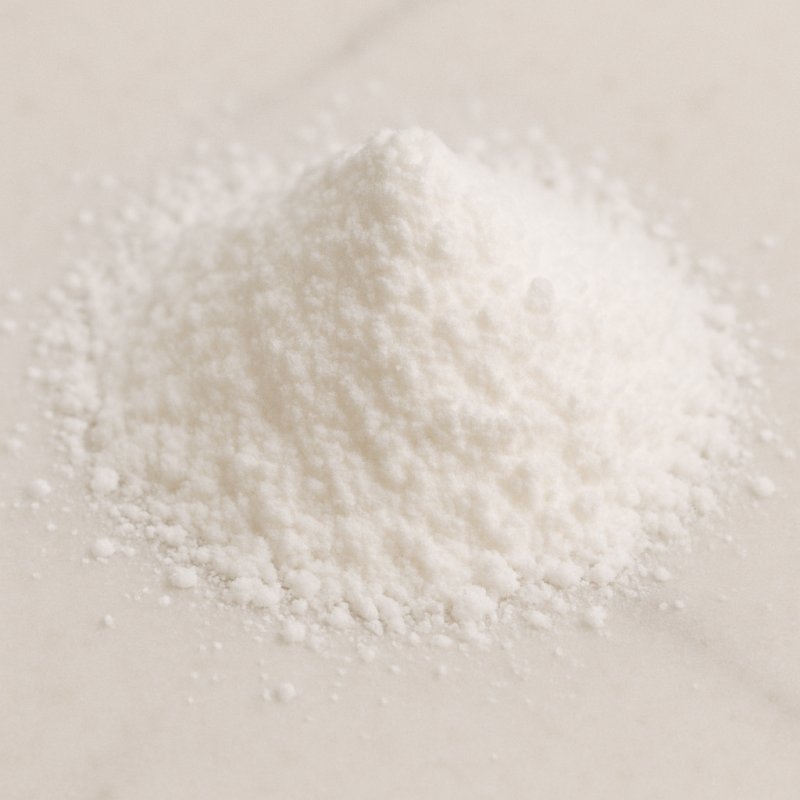
Powdered sugar is a very fine white powder often used to dust cakes or to make icing. Although it looks as light as dust, it simply comes from ordinary sugar. To understand where powdered sugar comes from and which varieties exist, let's look at origin, growing regions and variants step by step – explained simply so that even a 12‑year‑old can follow.
Origin
Powdered sugar is made from table sugar, which in turn can come from two plants: sugar beet and sugar cane. This sugar is milled so finely that it becomes powder. To prevent it sticking together, a little starch (usually corn starch) is often added. It's like mixing flour into sand so it doesn't clump so easily.
Growing regions
The two plants grow in different places:
- Sugar beet: These grow well in cooler areas, for example in many parts of Europe (such as Germany, France, Poland), in North America and Russia. You see them in large fields, similar to potatoes or carrots.
- Sugar cane: This grows in warm, tropical regions, for example in Brazil, India, Thailand or parts of Africa. Sugar cane looks like long grass stems and is grown on plantations.
Both routes lead to ordinary sugar, which is then milled to produce powdered sugar. Because these plants grow in many places, sugar is usually available year‑round.
Available types and variants
Powdered sugar comes in several variants you can find in stores. Here is an overview, explained simply:
Powdered sugar comes in several variants you can find in stores. Here is an overview, explained simply:
- Regular powdered sugar: the most common type. Very fine, ideal for dusting waffles, cakes or pancakes.
- Extra fine powdered sugar (sometimes called “superfine dust”): ground even more finely. It dissolves faster in liquids and is good for smooth glossy surfaces or fine icing.
- Powdered sugar with added starch: almost all powdered sugars contain a bit of corn starch so the powder doesn't clump. It's like having a small helper to keep the sugar free‑flowing.
- Organic or Fair‑Trade powdered sugar: made from sugar grown according to certain rules, without some chemicals, or from farmers who were paid fairly. For people who care, there are these special packages.
- Colored or flavored: sometimes there is powdered sugar with food coloring or vanilla flavor so cakes and cookies look prettier or taste more aromatic.
- Alternatives: there are also powdery sugar substitutes (e.g. powdered erythritol). These look like powdered sugar but are made from other sweeteners.
Everyday availability
Powdered sugar is available year‑round in most supermarkets, small shops and online. You can buy it in small packets for home use or in larger sacks for bakers. It's important to store it dry and well sealed so it doesn't clump. If it hardens, you can briefly sieve it and it will become fine again.
Powdered sugar is available year‑round in most supermarkets, small shops and online. You can buy it in small packets for home use or in larger sacks for bakers. It's important to store it dry and well sealed so it doesn't clump. If it hardens, you can briefly sieve it and it will become fine again.
In summary: powdered sugar comes from ordinary sugar made from either sugar beet or sugar cane. It is available in many variants such as regular, extra fine, with added starch or as an organic option and is easy to obtain year‑round. That way, when baking and decorating, there is little left to chance.