Menu & categories

Port wine

Sweet, fortified red wine from the Douro Valley in Portugal

Wiki about port wine Nutri-Score E Vegan No Gluten-free Yes Lactose-free Yes Nut-free Yes
NUTRITION / 100 ml
165 kcal 0.2 g Protein 16 g Kohlenhydrate 0 g Fett

Introduction

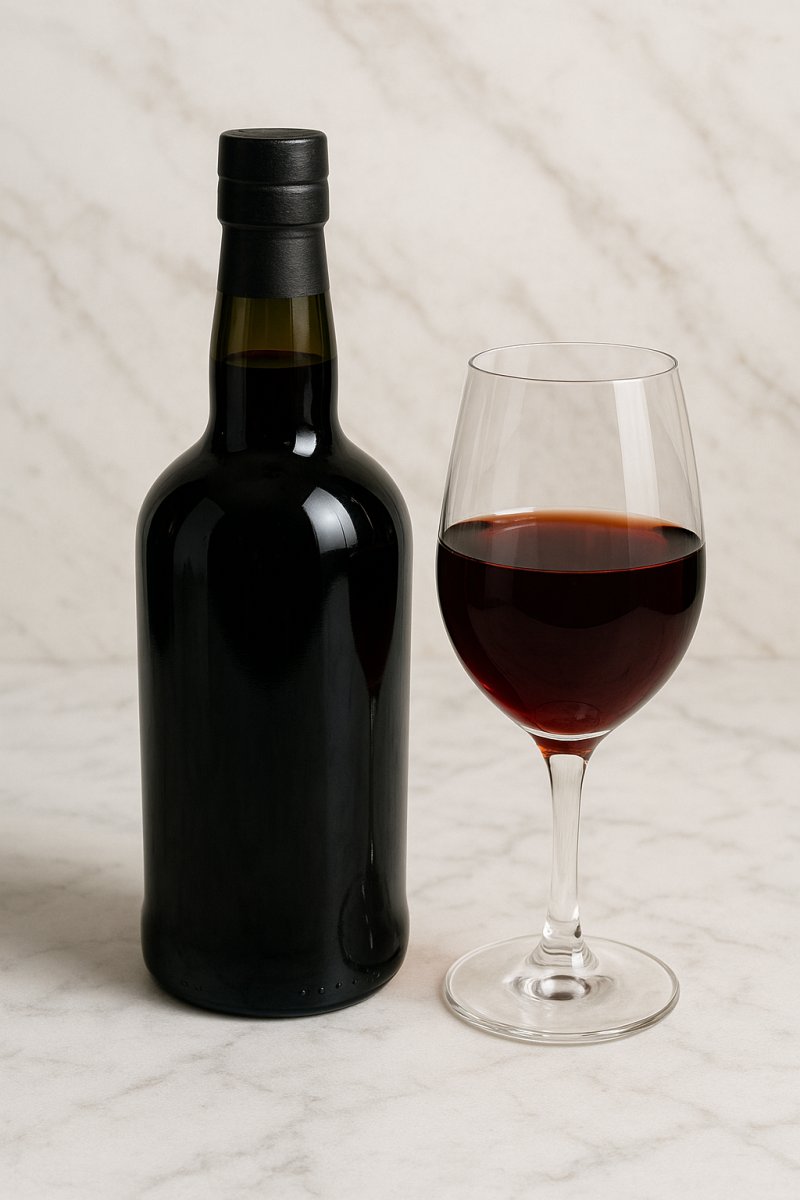
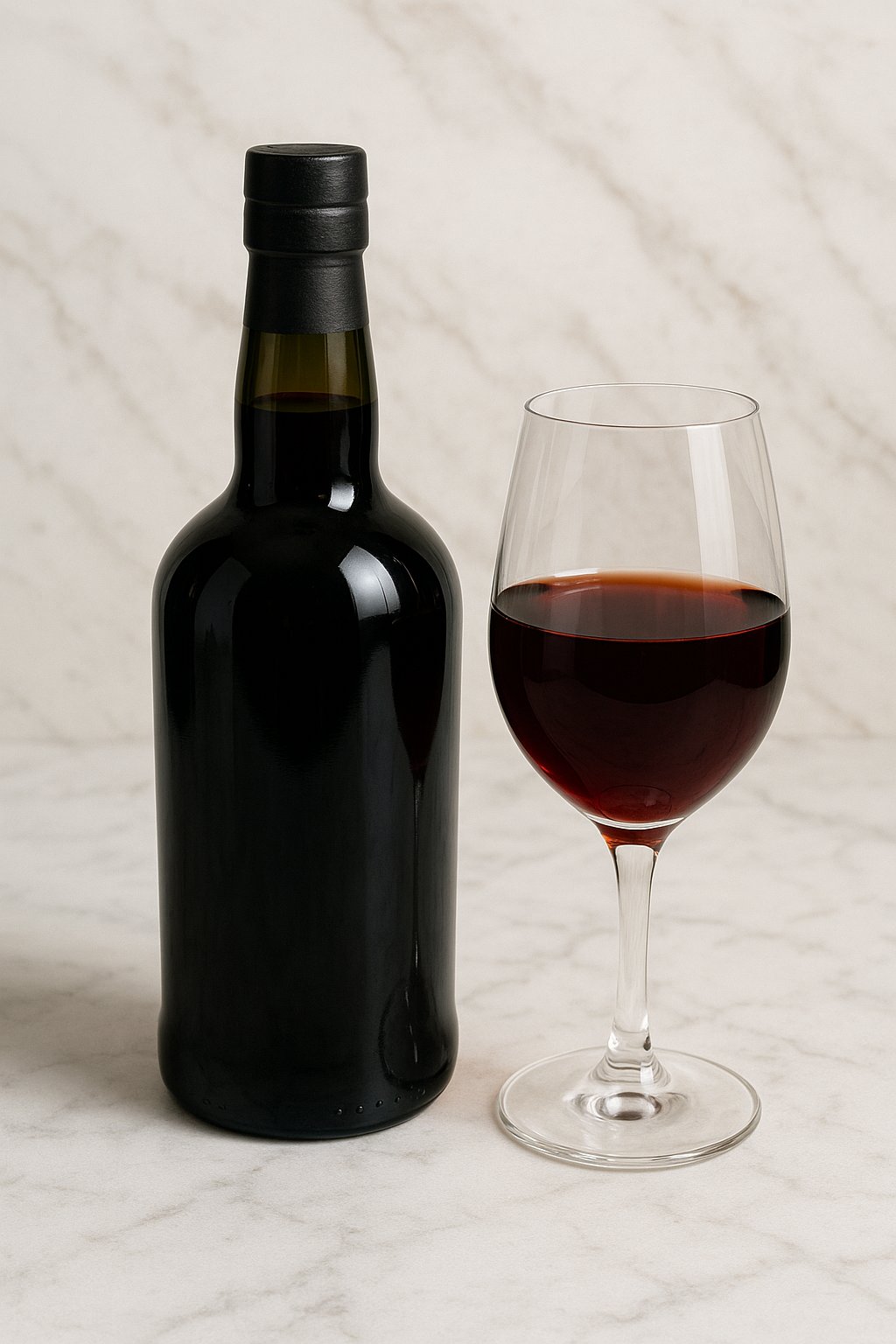
Glass of red Port wine on a wooden table
Port wine is for me one of those ingredients you first underestimate and then rediscover again and again. I still remember a rainy Sunday afternoon when I found a half-empty bottle in the cupboard and spontaneously decided to turn it into a braised dish. The scent rising from the pot was so alluring that a colleague later claimed I had turned the kitchen into a small, cozy wine bar.

What makes Port so special is its balance of sweetness, power and depth. It is traditionally produced in the Douro valley and fortified with brandy, which stops fermentation and preserves the residual sugar. This technique gives Port its characteristic sweetness and high alcohol content without making the wine cloying. I like to reach for a Tawny when I want to refine desserts, and a Ruby when a bold, fruity aroma is needed.

In the kitchen I use Port in many ways:

  • For deglazing: A splash of Port instantly gives sauces more depth.
  • In desserts: Figs or plums, briefly braised in Port, become a go-to treat.
  • In marinades: Port pairs wonderfully with dark meats and spices like cinnamon and clove.
A small experiment from my repertoire: Port with dark chocolate and a touch of sea salt. The result? A dessert that leaves guests speechless. Another time I used Port in a red cabbage reduction; the color became more intense, the flavor more complex. Such lucky discoveries happen when you dare to change an entire flavor landscape with a few drops.

Of course Port is not only for cooking. I also enjoy it neat, in small sips, often after a long dinner when conversations slowly calm. It has the rare ability to both accompany festive moments and elevate everyday dishes. So the next time you see a bottle of Port, don't view it only as a dessert wine, but as a versatile ingredient that can enrich your cooking in a refined way.

Availability & types

Availability and types of Port wine

Port is a special sweet wine from Portugal. It often tastes fruity and somewhat sweet because, during its production, some grape must (that is, freshly pressed grape juice) is added so that the natural sweetness is retained. If you think of Port, you can imagine it like a robust syrup enjoyed in small amounts on special occasions or as a dessert drink. But where does it come from, how does it grow, and what types are there? I'll explain it simply now.

Origin and growing region

Port almost always comes from a specific region in Portugal, the Douro valley. Imagine a large, terraced valley with many vineyards. These vineyards lie on steep slopes along a river — that's exactly where the grapes destined for Port are grown. The area has a particular climate: lots of sun, warm days and cool nights. This helps the grapes become sweet and aromatic. Because this region is so distinctive, a wine may only be called 'Port' if it comes from this valley.

Where to get Port wine

You can find Port in supermarkets, wine shops and sometimes in well-stocked spirits stores. There are inexpensive bottles for everyday use and more expensive ones for special occasions. Sometimes you also see Port in small bottles that make nice gifts. If you see 'Product of Portugal' and 'Douro' on the label, that's a good indication that it is genuine Port.

Available types and simple explanations

There are several kinds of Port. I'll explain them with simple images so you can imagine them well:

  • Ruby Port: This is like a freshly opened berry compote. It is deep red, fruity and generally younger. It does not age long in wooden casks, so the fruit flavor remains strong.
  • Tawny Port: Imagine a red wine that has stood a long time next to a fireplace. It is lighter, brownish in tone (hence 'tawny') and often has aromas like nuts, caramel or dried fruit. This comes from long aging in small barrels.
  • White Port: Made from white grapes. It can range from dry to sweet and is sometimes served chilled as an aperitif. Think of it as a sweeter white grape juice for adults.
  • Late Bottled Vintage (LBV): This is like a Ruby but a bit more carefully selected and aged longer. It tastes full-bodied and often has more depth.
  • Vintage Port: This is the special, rare type. It is made only in good years and from very good grapes. Vintage Port matures long in the bottle and can be very complex. You could compare it to an old photo album: many memories and details that develop over years.
Special variants

Sometimes you may see terms on labels like 'Reserve' or 'Special Reserve'. This usually means the wine was aged a bit longer and is therefore richer in flavor. There are also organic or ecologically farmed Ports where growers use less chemistry in the vineyard. These are simply a more environmentally friendly option.

In summary: Port comes from the Douro valley in Portugal, is available in many styles — from fruity Ruby types to aged Tawnys and rare Vintage bottlings — and you can find it in ordinary shops as well as specialized wine merchants. Each style has its own taste, much like different ice cream flavors: sometimes fruity, sometimes nutty and sometimes very distinctive.
Details & nutrition

Property Value
Unit ml
Calories per 100 165
Protein per 100 0.2
Carbohydrates per 100 16
Sugar per 100 16
Fat per 100 0
Saturated fat per 100 0
Monounsaturated fat 0
Polyunsaturated fat 0
Fiber per 100 0
Vitamin C (mg) per 100 0
Vitamin D (IU) per 100 0
Calcium (mg) per 100 10
Iron (mg) per 100 0.5
Nutri-Score E
CO₂ footprint 1.5
Origin Portugal
Gluten-free Yes
Lactose-free Yes
Nut-free Yes
Vegan No
Note Port wine is a fortified wine with increased alcohol and sugar content. Nutritional values may vary slightly depending on style (Ruby, Tawny, Vintage).

Technical & scientific information

Port wine is a fortified sweet wine from the Douro region in northern Portugal, traditionally produced by adding neutral brandies (aguardente) during fermentation. This halts alcoholic fermentation early and preserves a significant portion of unfermented residual sugar in the wine, which gives Port its characteristic sweetness and a higher alcohol content than ordinary wines. Classic Ports typically have an alcohol content between 18 and 20% vol. and, depending on production and aging, display a wide range of aromas from fruit to nut and wood.

Chemical composition and constituents
Like other wines, Port consists primarily of water, ethanol and dissolved organic compounds. Typical components include:

  • Ethanol: the main alcohol, responsible for the increased alcohol content resulting from fortification with brandy.
  • Residual sugars: glucose and fructose, with concentrations that can range depending on type from a few grams per liter (in drier variants) up to over 100 g/L (in very sweet styles).
  • Acids: tartaric acid, malic acid and small amounts of citric acid determine the acid structure and shelf life.
  • Phenolic compounds: anthocyanins, tannins (proanthocyanidins), flavonoids and phenolic acids contribute to color, taste, astringency and antioxidant properties.
  • Volatile aroma compounds: esters, aldehydes, higher alcohols and terpenes shape the bouquet and arise during both fermentation and aging.
  • Minerals and trace elements: potassium, calcium, magnesium and traces of iron, zinc and other elements from grapes and soils.
Production and aging processes
Port is made from specific grape varieties (e.g. Touriga Nacional, Touriga Franca, Tinta Roriz, Tinta Barroca). After harvest, grapes are traditionally trodden in lagares or processed mechanically to optimize juice release and extraction of phenolic compounds. The distinctive step is fortification: during alcoholic fermentation a high-proof brandy is added, typically in the range of 77–86% vol. aguardente, which stops fermentation and preserves the sugars.

Aging differentiates various Port styles:

  • Ruby and Ruby Reserve: Short aging in large casks or steel tanks; retain intense fruit and berry notes.
  • Tawny: Longer oxidative aging in smaller barrels, development of nutty and caramel notes and a lighter color.
  • Vintage: From selected vintages, briefly rested in cask and then aged long in bottle; evolve complexly and tannic.
  • Late Bottled Vintage (LBV): Similar to Vintage but longer in cask and ready to drink sooner, often filtered.
Nutritional values
Nutrient composition varies with residual sugar and alcohol content. Average figures for sweeter Port (per 100 ml) are approximately: energy 180–250 kcal, alcohol 18–20 g, carbohydrates (mainly sugars) 20–40 g, fat and protein negligible. Due to the high sugar content and caloric density, Port should be consumed in moderation.

Health aspects
From a nutritional perspective the main factors are the high alcohol and sugar content and the phenolic compounds present. Moderate amounts of polyphenols may have antioxidant effects that have been associated in epidemiological studies with certain cardiovascular benefits. These potential positive effects must, however, be weighed against the risks of alcohol: higher consumption increases the risk of liver disease, certain cancers, dependence and adverse metabolic effects. People with diabetes, pregnant women and those with alcohol-related problems should avoid Port or consume it only after medical consultation.

Storage and sensory properties
Port wines vary widely in color, body and aroma. Rubies are deep red and fruit-forward, Tawnys show yellowish-brown tones with oxidative aromas. Storage is cool and dark; unopened bottles can last for several years depending on style. Once opened, generous styles (Ruby, Vintage) oxidize within days to weeks, while Tawnys, having undergone prior oxidative maturation, remain more stable.

From a scientific perspective Port is an interesting model product for studying wine ecology, fermentation biochemistry, phenolic changes under oxidative conditions and the influence of fortification on fermentation dynamics and aroma formation. Its composition and production reflect the interplay of grape variety, terroir, microbial fermentation and targeted technical intervention.

Wiki entry for: port wine
Active now: 27 visitors of which 2 logged-in members in the last 5 minutes