Menu & categories

Pork schnitzel

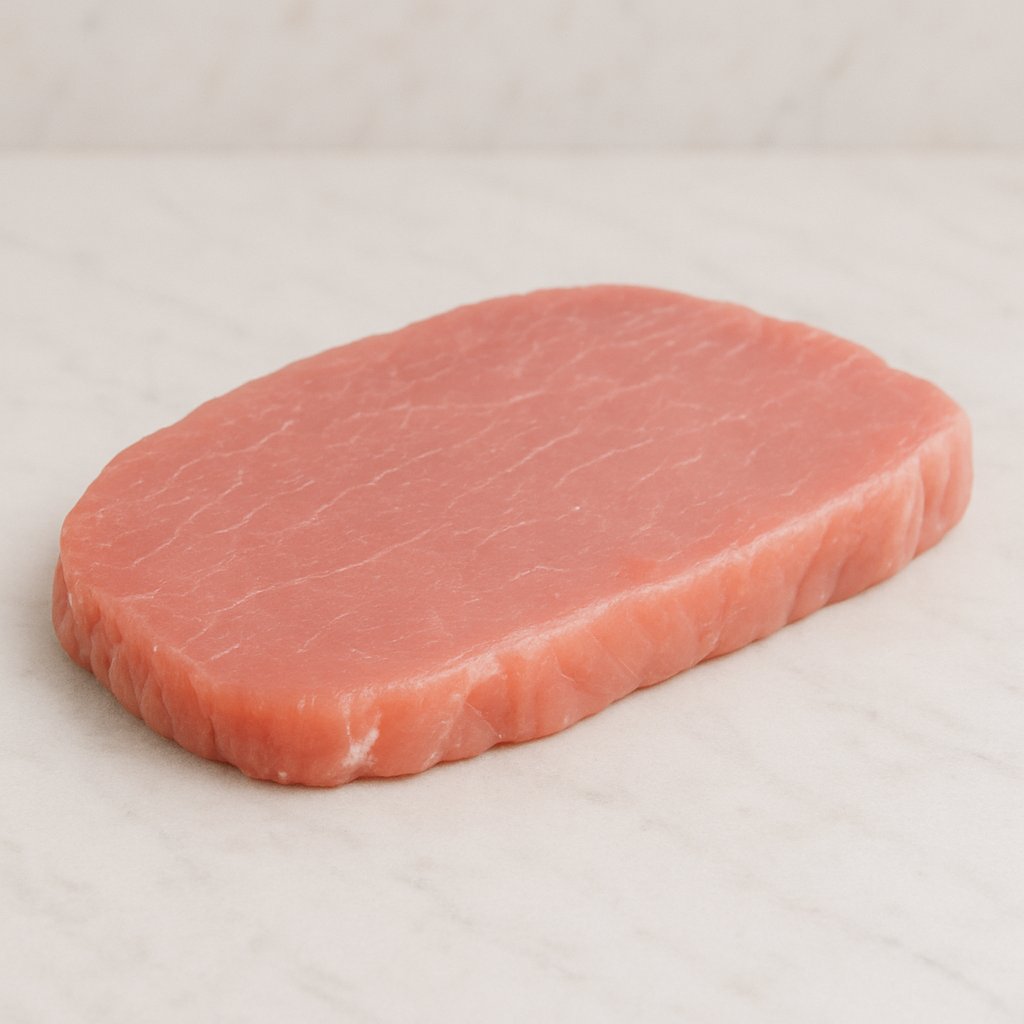
Lean pork, breaded and suitable for frying or roasting

Wiki about pork schnitzel Nutri-Score D Vegan No Gluten-free No Lactose-free Yes Nut-free Yes
NUTRITION / 100 g
230 kcal 21 g Protein 10 g Kohlenhydrate 11 g Fett

Introduction

Raw breaded pork schnitzel on a wooden board
I still remember well the first scent of pork schnitzel that drew me to the window of a small tavern kitchen: golden-brown, buttery, with a hint of lemon in the air. For me pork schnitzel is more than a dish; it's a feeling of familiarity and of Sunday tables where stories grow. A colleague once brought her homemade schnitzel to a team meal, and within minutes the bowl was empty — that was my moment to form a firm belief: good schnitzel brings people together.

I like how versatile this piece of meat is. Whether classically breaded, as a tender involtini roll, or in a simple pan with sage butter — pork schnitzel offers a range of textures and flavors. The right technique is important: don't pound it too thick so it stays tender, but thin enough to cook quickly and evenly. A spontaneous tip a neighbor once gave me was to dust the meat with flour before breading. That creates better crust adhesion and prevents the coating from coming off.

When it comes to ingredients, simple is often best. A good breading consists of flour, egg and breadcrumbs; a squeeze of lemon and freshly ground pepper are enough to lift the flavors. For special occasions I like to use finer breadcrumbs or a mixture of Parmesan and herbs. My recipe book is full of small variations: mix mustard into the coating for spice, or use panko for extra crunch.

  • Texture: crispy outside, juicy inside.
  • Seasoning: minimalist, so the meat can speak.
  • Sides: classic potato salad, fried potatoes or a fresh cucumber salad.
I've learned that a good pork schnitzel is based on respect for the ingredient: correct tempering, fat not too hot, and the patience to let it rest briefly. Once I tried a recipe where the schnitzel was tossed in butter — the result was decadent and so flavorful that we all fell silent. Moments like that show me how simple food can become unforgettable memories. In my kitchen pork schnitzel is therefore not just an ingredient, but an occasion to bring people together and to deliciously interrupt everyday life for a moment.

Availability & types

Availability and types of pork schnitzel

Pork schnitzel is a very common meat dish made from pork. It is easy to find in many supermarkets, butcher shops and weekly markets. In Germany, Austria and Switzerland pork schnitzel is a popular food because the meat is relatively inexpensive and quick and easy to prepare.

Origin
Pigs come from various regions of the world, but in Europe most of the pigs we eat come from farms in Germany, the Netherlands, Denmark, Spain and France. These countries have many farms that raise pigs. On the farm pigs are fed cereals, vegetables and sometimes special feed mixes so they grow healthy. Many pigs live in barns, but there are also organic or free-range systems where the animals have more space and outdoor access.

Breeding and production areas
“Growing area” fits plants better; for pigs we speak of breeding or rearing areas. Important regions for pig farming in Europe include:

  • Germany: many farms in western and northern regions
  • Denmark and the Netherlands: large, modern barns and exports of pork
  • Spain and France: also significant producing countries
In other parts of the world, such as China or the USA, a lot of pork is also produced. Whether the meat comes from a specific country is often indicated on the packaging.

Available cuts and variants
Pork schnitzel does not come in only one type. Here are the main variants, explained simply:

  • Pork schnitzel from the top round – This is a piece from the back area. It is leaner and stays juicy when fried. It is well suited for breading.
  • Schnitzel from the knuckle or hip – Slightly firmer than the top round, but also suitable if you want a more robust piece of meat.
  • Schnitzel from the pork loin – Very tender because the loin is less worked. This meat in the mouthfeel resembles chicken breast or veal.
  • Chops and steaks – Sometimes these are pounded thin and sold as schnitzel. Chops often still have bone and some fat, which provides a lot of flavor.
  • Breaded schnitzels – These are schnitzels that have been coated in flour, egg and breadcrumbs. They are crispy on the outside and tender inside, like a crunchy coat around the meat.
  • Marinated schnitzels – Here the meat has been soaked in a seasoning sauce beforehand. This saves time in cooking and adds flavor.
  • Organic or free-range schnitzels – These come from pigs that had more space and often better feed. The meat may taste slightly different and is often more expensive.
Tips for selection
If you want to buy a schnitzel, look for fresh color (light pink to rosy), a uniform piece without too much liquid in the package and, if possible, origin information. Organic labels or notes about free-range farming tell you something about how the animals were raised.

In summary: pork schnitzel is widely available, there are several cuts of meat that can be used as schnitzel, and various preparation methods such as breaded or marinated. Where the meat comes from and how the animals were kept is often stated on the packaging and helps you choose.
Details & nutrition

Property Value
Unit g
Average weight per piece 150
Calories per 100 230
Protein per 100 21
Carbohydrates per 100 10
Sugar per 100 1
Fat per 100 11
Saturated fat per 100 3.5
Monounsaturated fat 5
Polyunsaturated fat 1.5
Fiber per 100 0.8
Vitamin C (mg) per 100 0
Vitamin D (IU) per 100 40
Calcium (mg) per 100 20
Iron (mg) per 100 1.2
Nutri-Score D
CO₂ footprint 5.5
Origin Pork, usually from conventional farming
Gluten-free No
Lactose-free Yes
Nut-free Yes
Vegan No
Note Nutritional values for raw breaded pork schnitzel before cooking; actual values may vary depending on the breading, preparation method and fat absorption.

Technical & scientific information

Pork schnitzel refers in culinary practice to a thinly pounded filet or chop piece from the pig that is typically breaded and fried. As an ingredient, pork schnitzel is both a processed meat product and a term for the method of preparation. Zoologically it refers to the meat of the domestic pig (Sus scrofa domesticus), which can come from various muscle groups, for example the pork loin (fillet), the top round or the chop area.

Chemical composition and components
Pork consists predominantly of water (about 60–75% by weight), proteins (approx. 18–25%) and lipids (fat, variable 2–30% depending on cut and marbling). Proteins are rich in essential amino acids such as lysine, methionine, leucine and valine. Important myofibrillar proteins are myosin and actin, which together with connective tissue proteins like collagen determine texture. Lipids are made up of saturated, monounsaturated and polyunsaturated fatty acids; pork fat contains among others oleic, palmitic and linoleic acids. The meat also contains water-soluble components such as creatine, nitrate-, phosphate- and organic acids, as well as vitamins (especially B vitamins like B1/thiamine, B3/niacin and B12) and minerals (notably iron, zinc and phosphorus).

Nutritional values
Nutritional values vary widely with the fat content of the schnitzel and the preparation (breading, frying). A typical lean pork schnitzel (raw, 100 g) provides about 130–170 kcal, 20–24 g protein and 4–10 g fat. After breading and frying the energy content increases due to oil uptake and breadcrumbs; fried, breaded schnitzels can reach 250–350 kcal per 100 g. Salt content depends on added seasoning; industrially processed products may contain added phosphates, nitrites or salt.

Processing methods
Technically, a raw roast or chop piece of pork is mechanically pounded into a thin, even piece. Typical breading comprises flour, egg and breadcrumbs; alternative coatings use panko, nuts or gluten-free flours. Thermal treatment takes place in a pan at temperatures around 160–190 °C, with short frying times to avoid drying out. Industrial variants may be pre-fried or frozen. Food-technology relevant steps include grinding, mechanical tenderizers or injection procedures to improve tenderness, as well as aging and controlled cooling to minimize microbial risks.

Sensory properties and texture
The sensory characteristics of a pork schnitzel depend on cut, fat content and preparation. Lean meat yields a firmer texture, while intramuscular fat contributes to juiciness and flavor. The Maillard reaction on the coating and meat surface produces brown crusts, complex aroma compounds and increased umami and roasted flavors.

Health aspects
From a nutritional science perspective pork schnitzel offers high-quality protein and essential nutrients but can contribute to excess energy intake if high in fat and salt. Common criticisms concern the high proportion of saturated fatty acids in some cuts and possible additives in processed products. From a food-microbiological point of view, inadequate cooling or improper preparation poses a risk of bacterial contamination (e.g. Campylobacter, Salmonella); adequate heating effectively reduces this risk. Allergens are rare in pure pork, but breading ingredients such as egg, milk or gluten can trigger allergic reactions.

Sustainability and quality criteria
The environmental footprint of pork varies with housing system, feed and processing chain. Quality criteria include freshness (low pH after maturation, typical meat color), marbling, aging time and hygienic processing. Labels such as origin indications, farming standards or traceability help consumers make informed choices.

Overall, pork schnitzel is a versatile ingredient with clearly defined biochemical properties and nutritional pros and cons. Its sensory appeal is based on proteins, fat and the roast aromas created by the coating, while safe processing and appropriate portioning are central to its health evaluation.

Wiki entry for: pork schnitzel
Active now: 15 visitors of which 2 logged-in members in the last 5 minutes