Availability and types of the ingredient “plum, zwetschge dried”
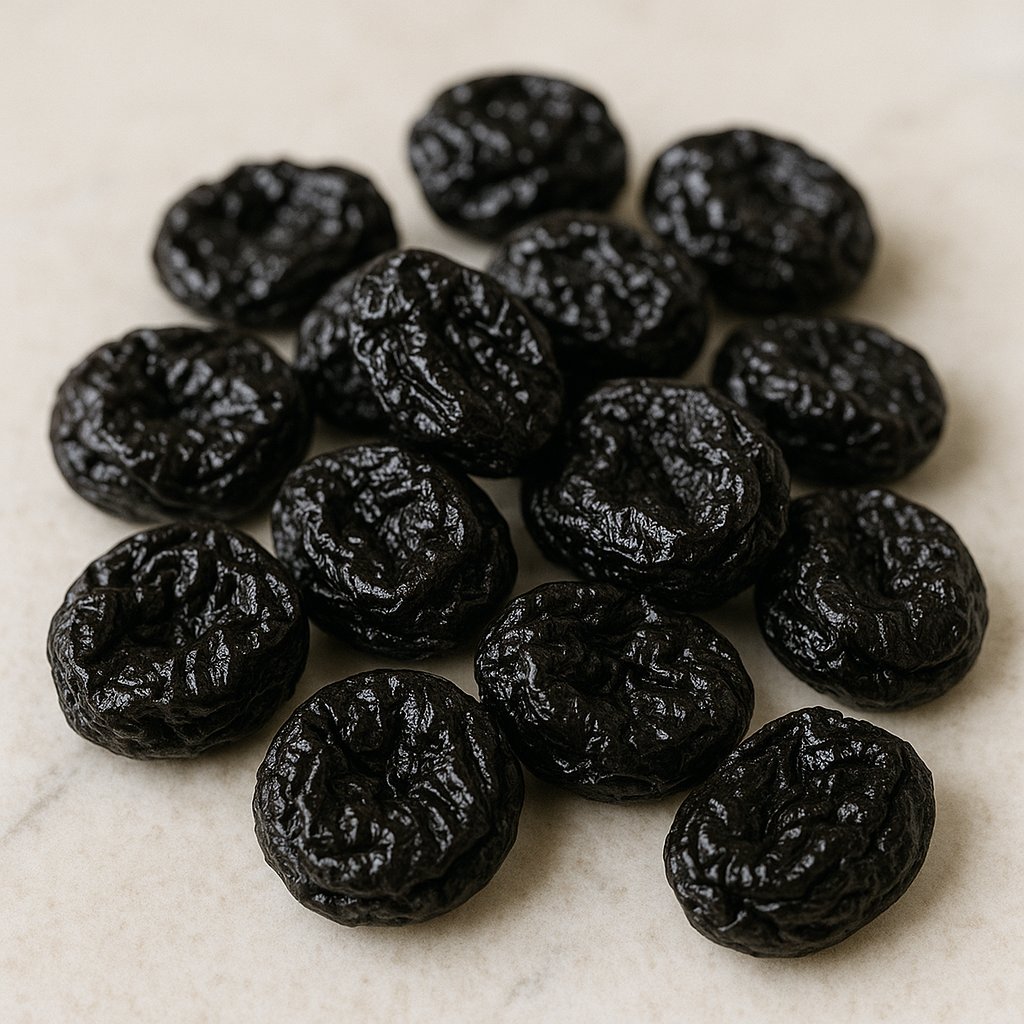
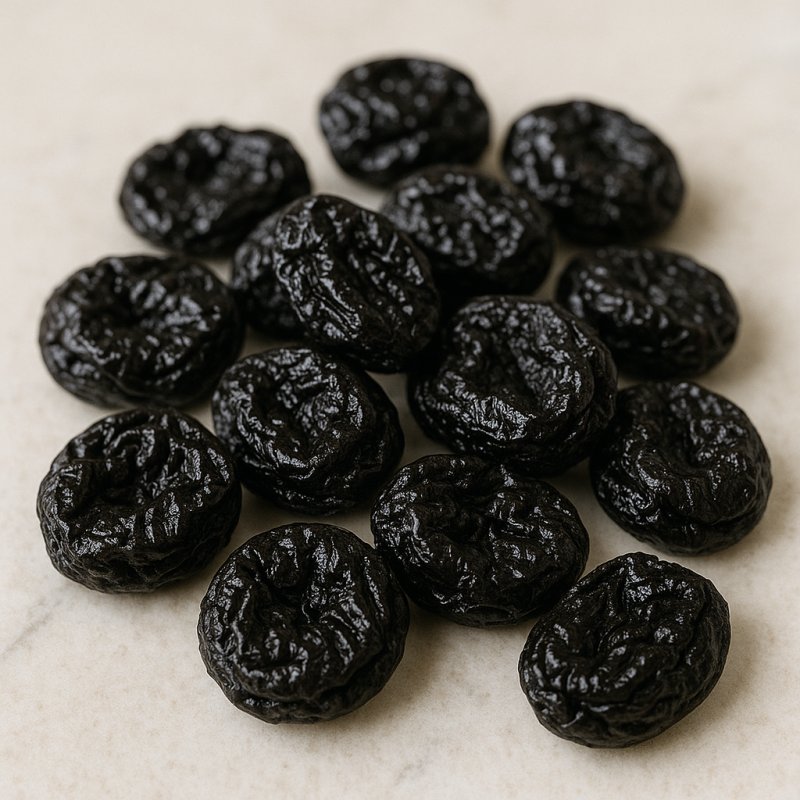
Dried plums, often called zwetschgen, are fruits that are dried until most of the water is gone. This makes them sweeter and more shelf-stable. You can buy them year-round because they keep for a long time. Fresh plums, by contrast, are only in season in summer.
Origin
Plums originally come from Europe and Asia. Long ago people bred different varieties that taste better or store more easily. In Europe zwetschgen are especially popular because they have firm flesh and are well suited to drying. A well-known name is the French Agen plum, from which many dried plums (prunes) are made.
Growing regions
Plums grow best where winters are cool enough and summers have enough sun for ripening. Important growing regions include:
- France – especially the area around Agen for dried prunes.
- Germany – regions such as Rheinhessen, Pfalz and Baden-Württemberg are known for zwetschgen.
- USA (California) – large producers of dried plums, often bred from European varieties.
- Chile and other southern countries – supply plums in our winter months because it is summer there.
Available varieties and forms
There are different varieties and ways dried plums are offered. Here are some simple descriptions to tell the difference:
There are different varieties and ways dried plums are offered. Here are some simple descriptions to tell the difference:
- Zwetschge vs. plum – zwetschgen are often elongated and have firm flesh. Plums can be rounder and juicier. Zwetschge varieties are often used for drying because they store well and become sweet.
- Whole dried plums – with pit or pitted. Whole fruits look like small, soft plums.
- Pitted – convenient for eating or baking, since the stone is removed.
- Chopped or diced – good for muesli, cakes or cooking.
- Dried without additives – just fruit, no sugar or preservatives.
- Sweetened or coated – sometimes plums are sugared or covered in chocolate.
- Sulfited vs. sulfite-free – sulfites preserve color. Sulfite-free plums are darker; some people prefer them because they contain fewer additives.
- Organic variant – grown without chemical pesticides.
Where to find them?
Dried plums are available in supermarkets, organic stores, health food shops and online. Some farms sell them freshly dried regionally. They are offered vacuum-packed, in tins or loose. Because they store well, they are on shelves year-round.
Dried plums are available in supermarkets, organic stores, health food shops and online. Some farms sell them freshly dried regionally. They are offered vacuum-packed, in tins or loose. Because they store well, they are on shelves year-round.
In summary: dried zwetschgen come from many countries, mainly Europe, California and Chile. They come in many forms – whole, pitted, chopped, with or without additives and in organic quality. So almost everyone can find the variant best suited for baking, snacking or cooking.