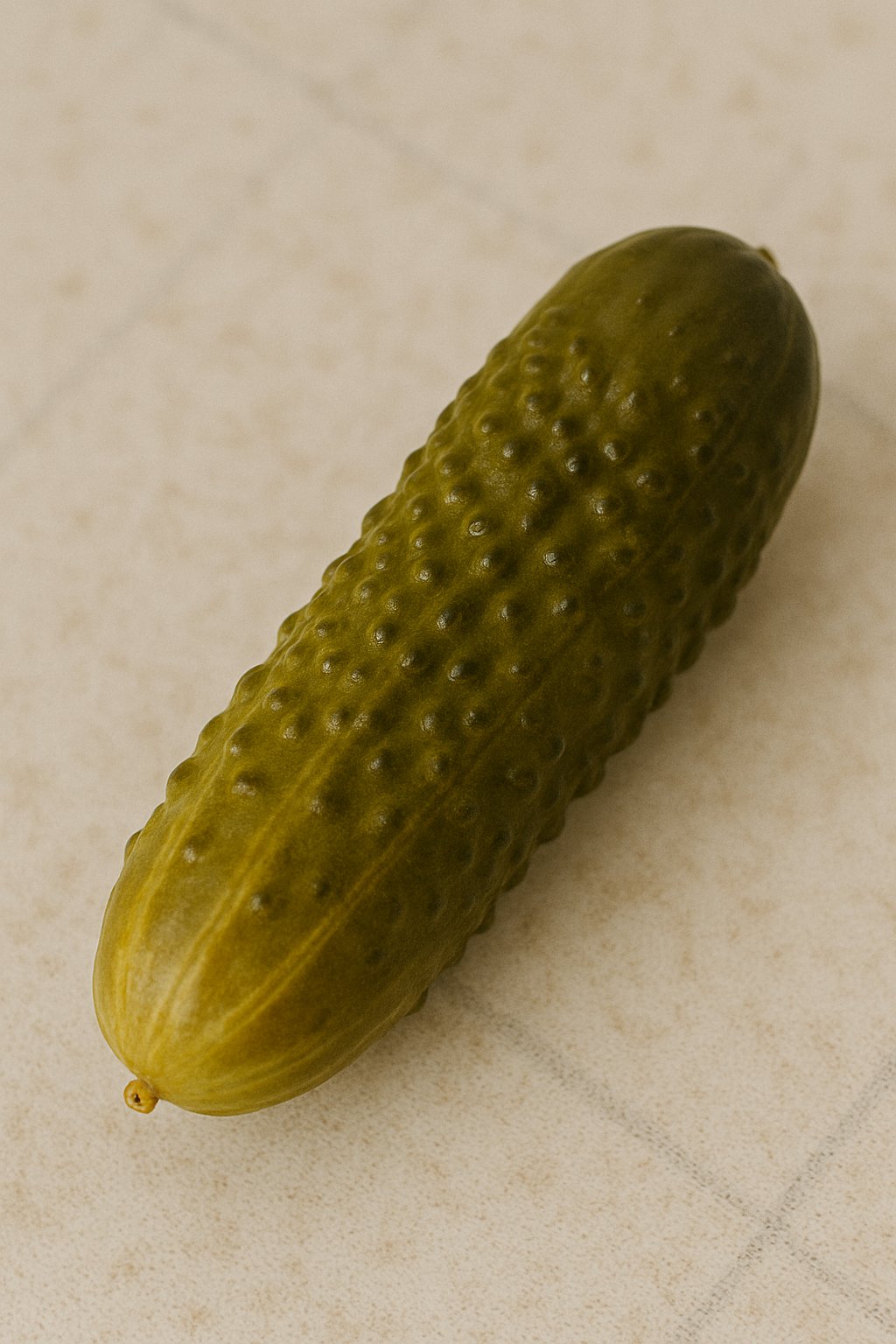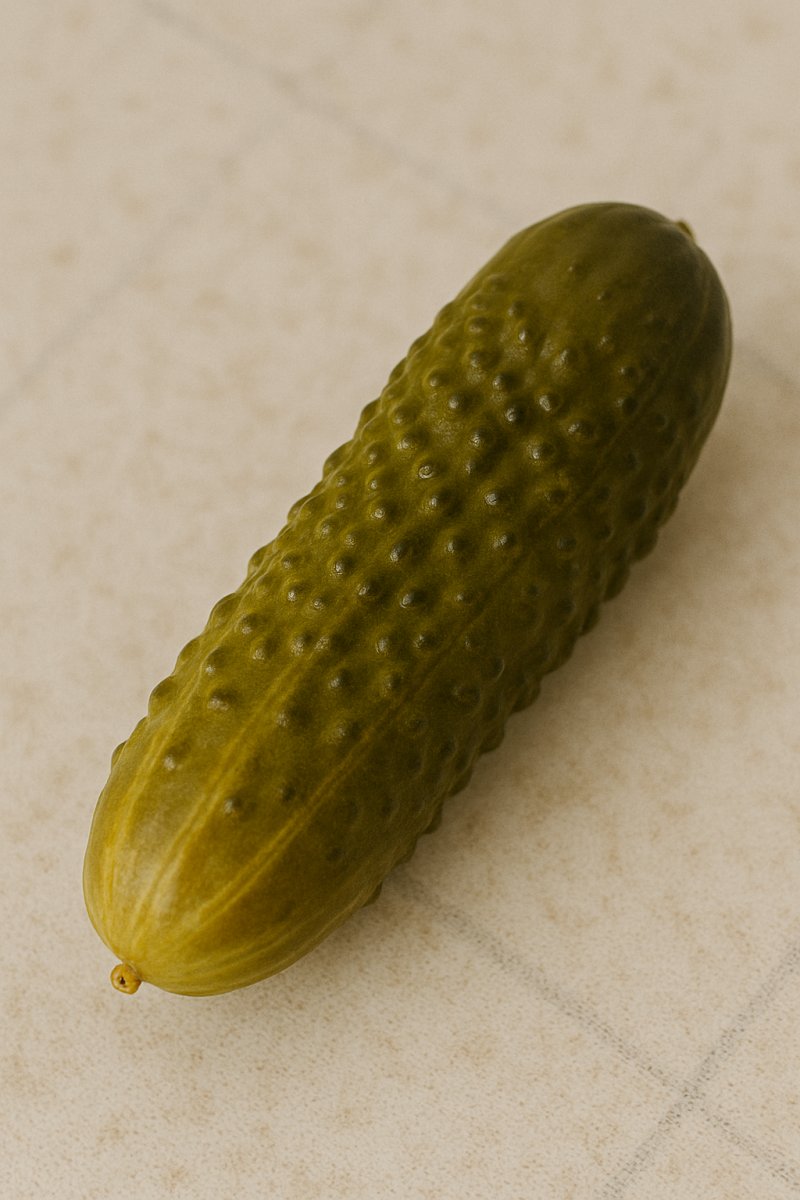
Availability and types of pickled cucumbers
Pickled cucumbers are very popular in many countries and are generally easy to obtain. They are made from small cucumbers that are placed in a mixture of water, vinegar, salt and often spices. This makes them long-lasting and gives them their typical pleasantly sour taste. Because they store well, you can find them year-round in supermarkets – not only in summer when fresh cucumbers are in season. In Germany pickled cucumbers are usually found with canned goods or pickled vegetables, often in jars with screw lids.
Variants can also be found at weekly markets or delicatessens, sometimes even of regional production.
Variants can also be found at weekly markets or delicatessens, sometimes even of regional production.
Origin
The idea of preserving cucumbers in vinegar is very old and comes from regions where food had to be made to last through winter. Centuries ago cucumbers were preserved in the Near East and Eastern Europe. Later the method spread throughout Europe and America. Today pickling cucumbers are grown in many countries, for example Germany, Poland, the Netherlands, India and the USA. In Germany cucumbers from the Spreewald region are particularly well known. There is a long tradition of pickling there, and many families have their own recipes passed down through generations.
The idea of preserving cucumbers in vinegar is very old and comes from regions where food had to be made to last through winter. Centuries ago cucumbers were preserved in the Near East and Eastern Europe. Later the method spread throughout Europe and America. Today pickling cucumbers are grown in many countries, for example Germany, Poland, the Netherlands, India and the USA. In Germany cucumbers from the Spreewald region are particularly well known. There is a long tradition of pickling there, and many families have their own recipes passed down through generations.
How pickled cucumbers are made
For pickled cucumbers small, firm cucumbers called pickling cucumbers are usually used. These are thoroughly washed and packed into jars. Then the brine is poured over – the liquid of vinegar, water, salt and sometimes sugar. Spices such as dill, mustard seeds, peppercorns, bay leaves, garlic or onions are added. If the jar is well sealed, the flavors can penetrate the cucumbers for weeks. Because vinegar and salt inhibit bacterial growth, pickled cucumbers remain edible for many months.
For pickled cucumbers small, firm cucumbers called pickling cucumbers are usually used. These are thoroughly washed and packed into jars. Then the brine is poured over – the liquid of vinegar, water, salt and sometimes sugar. Spices such as dill, mustard seeds, peppercorns, bay leaves, garlic or onions are added. If the jar is well sealed, the flavors can penetrate the cucumbers for weeks. Because vinegar and salt inhibit bacterial growth, pickled cucumbers remain edible for many months.
Year-round availability
Although fresh pickling cucumbers are mainly harvested in summer, finished pickled cucumbers are available year-round. They come in large and small jars, as slices for burgers, sticks for sandwiches or whole minis for snacks. In most supermarkets you'll find several brands and varieties side by side.
Although fresh pickling cucumbers are mainly harvested in summer, finished pickled cucumbers are available year-round. They come in large and small jars, as slices for burgers, sticks for sandwiches or whole minis for snacks. In most supermarkets you'll find several brands and varieties side by side.