Menu & categories

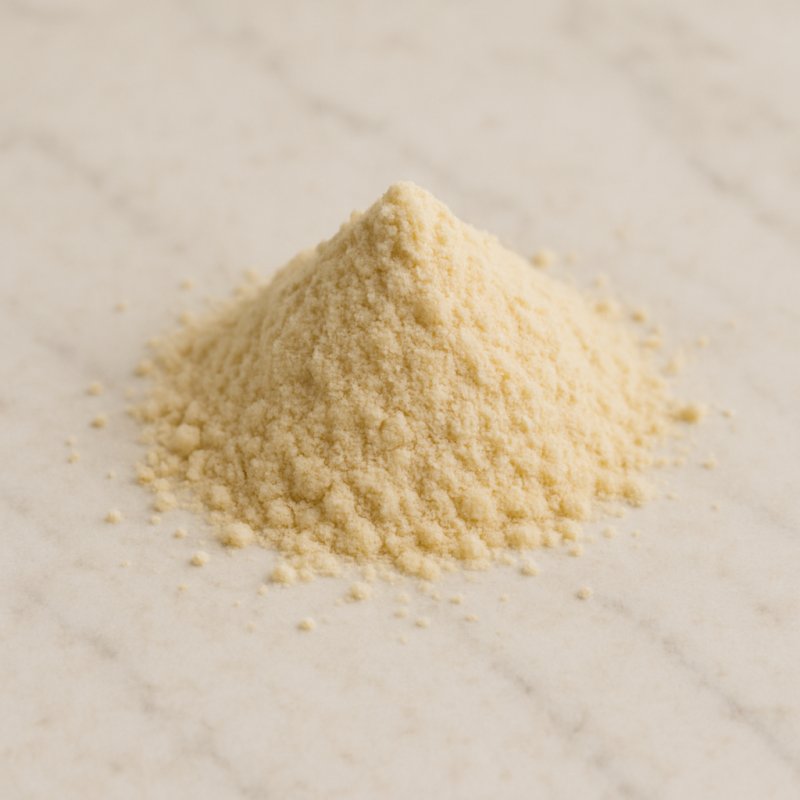
Pepper sauce powder

Spicy base for delicious sauces.

Wiki about pepper sauce powder Nutri-Score B Vegan Yes Gluten-free Yes Lactose-free Yes Nut-free Yes
NUTRITION / 100 g
350 kcal 10 g Protein 60 g Kohlenhydrate 5 g Fett

Introduction

Pepper sauce powder
I still remember well the evening when I tried pepper sauce powder for the first time. It was at a small dinner with friends, and I wanted to prepare something special. While I was fiddling in the kitchen, a colleague of mine sneaked up and asked curiously what I was creating. “Something with pepper sauce,” I answered. “But not just any! This is pepper sauce powder!”

The reaction was priceless, and I can imagine many of you have had similar experiences. This little ingredient has the power to turn a simple dish into a true taste experience. Pepper sauce powder not only has an intense spice but also incredibly versatile uses. You can use it in sauces, marinades or even soups – the possibilities are almost endless.

I love how it brings a hint of exoticism to the kitchen. Every time I use it, I feel a bit like a gourmet chef who has just discovered a secret recipe. For example, when I prepare a simple steak, I sprinkle some pepper sauce powder on the meat before searing it. The aroma that develops is simply heavenly. My friends are always impressed by how much I can achieve with so few ingredients.

Once I tried to create a new recipe for a creamy mushroom sauce. I was skeptical whether the pepper sauce powder would really fit. But I can tell you it was a bull’s-eye! The combination of the creamy texture and the piquant heat knocked everyone out. From that day on pepper sauce powder became a staple in my spice collection.

Here are some of my favorite uses for pepper sauce powder:

  • In marinades for meat or fish
  • As a seasoning for vegetable dishes
  • In creamy sauces for pasta
  • For a special kick in soups
It’s amazing how a small pinch of pepper sauce powder can so strongly influence the flavor of a dish. When I work with this ingredient, I feel inspired to try new combinations and recipes. Ultimately it’s not just the cooking for me, but the whole experience that excites me. I hope that you, like me, discover the joy of experimenting with pepper sauce powder and give your dishes an exciting note.

Availability & types

Pepper sauce powder is a special ingredient that gives many dishes a spicy and hot flavor. It is often used in the kitchen to refine sauces, soups or meat dishes. To learn more about the availability and types of pepper sauce powder, let’s look at where it comes from, how it is grown and which different varieties exist.

The origin of pepper sauce powder is found around the world. Pepper is obtained from the berries of the pepper plant, which grows in tropical regions. The best-known growing areas are India, Vietnam, Indonesia and Brazil. In these countries the climate is perfect for the pepper plant to thrive. The berries are harvested when they are ripe and then dried before being processed into powder. The result is an aromatic spice that gives dishes a special kick.

There are many different varieties and types of pepper sauce powder, which can vary depending on taste and use. Here are some of the best-known types:

  • Black pepper: This is the most common variety. It has a sharp and spicy taste that goes well with many dishes. Black pepper is made from unripe, green berries that are then fermented and dried.
  • White pepper: This pepper has a milder taste and is made from ripe berries that are peeled and dried after harvest. White pepper is often used in light-colored sauces so as not to change the color of the sauce.
  • Green pepper: This variety is fresh and not dried. It has a fresh and slightly sharp taste. Green pepper is often used in special sauces or dips to provide a fresh flavor.
  • Red pepper: This is a less common variant made from ripe berries. It has a sweeter taste and is often used in combination with other spices.
  • Chili pepper: This variety is very hot and is often used in combination with other types of pepper to give dishes extra heat. Chili pepper is also used in many Asian and Mexican dishes.
The availability of pepper sauce powder today is very good. Most supermarkets offer a selection of different pepper varieties, both in powder form and as whole grains. Excellent variants can also be found in specialty spice shops that may be less well known. If you are looking for the right pepper sauce powder for your dish, you can also search online for different brands and varieties. It is important to check the packaging, as some pepper sauce powders are mixed with additional spices or flavorings.

In summary, pepper sauce powder is a versatile ingredient made from different kinds of pepper. Whether you are looking for a hot, mild or fresh flavor, there are many options.
Details & nutrition

Property Value
Unit g
Calories per 100 350
Protein per 100 10
Carbohydrates per 100 60
Sugar per 100 3
Fat per 100 5
Saturated fat per 100 1
Monounsaturated fat 0
Polyunsaturated fat 0
Fiber per 100 20
Vitamin C (mg) per 100 0
Vitamin D (IU) per 100 0
Calcium (mg) per 100 50
Iron (mg) per 100 2
Nutri-Score B
CO₂ footprint 2.5
Origin Germany
Gluten-free Yes
Lactose-free Yes
Nut-free Yes
Vegan Yes
Note Ideal for preparing sauces for meat dishes.

Technical & scientific information

Pepper sauce powder is a special spice made from various types of pepper and other ingredients to compose a savory and spicy sauce. It is frequently used in gastronomy to refine dishes and give them a piquant taste. The composition of pepper sauce powder can vary, with the main components usually being different types of pepper, spices, herbs and thickeners.

Chemical composition
The main components of pepper sauce powder are chemical compounds responsible for the hot taste. These include capsaicin, obtained from chili pepper, and piperine, which characterizes black pepper. These compounds activate pain receptors on the tongue, producing the sensation of spiciness. In addition to these bioactive substances, pepper sauce powder also contains essential oils responsible for the aroma, as well as various antioxidants present in the spices used.

Ingredients
Pepper sauce powder can contain a variety of ingredients that influence the taste and texture of the sauce. Common ingredients include:

  • Black pepper (Piper nigrum)
  • White pepper (Piper white)
  • Chili powder or cayenne pepper
  • Onion and garlic powder
  • Salt
  • Thickeners (e.g. cornstarch)
  • Vinegar powder or citric acid for the acidic component
The blend of ingredients is crucial for the flavor balance of the final product. Some manufacturers also add sugar or other sweeteners to soften the heat and harmonize the flavors.

Nutritional values
The nutritional values of pepper sauce powder can vary greatly depending on the exact ingredients. In general, pepper sauce powder is low in calories because it mainly consists of spices. A typical serving (about 5 grams) might contain the following nutritional values:

  • Calories: 10-20 kcal
  • Fat: 0-1 g
  • Carbohydrates: 2-4 g
  • Protein: 0-1 g
  • Fiber: 1-2 g
Due to its low calorie content, pepper sauce powder is a popular choice for people who want to manage their calorie intake.

Processing methods
The production of pepper sauce powder includes several steps. First, individual ingredients are selected and usually gently dried to preserve the aromas. Then the spices are ground and mixed in the desired composition. To increase shelf life, the powder can be stored in airtight containers.

Wiki entry for: pepper sauce powder
Active now: 20 visitors of which 2 logged-in members in the last 5 minutes