Availability and Types
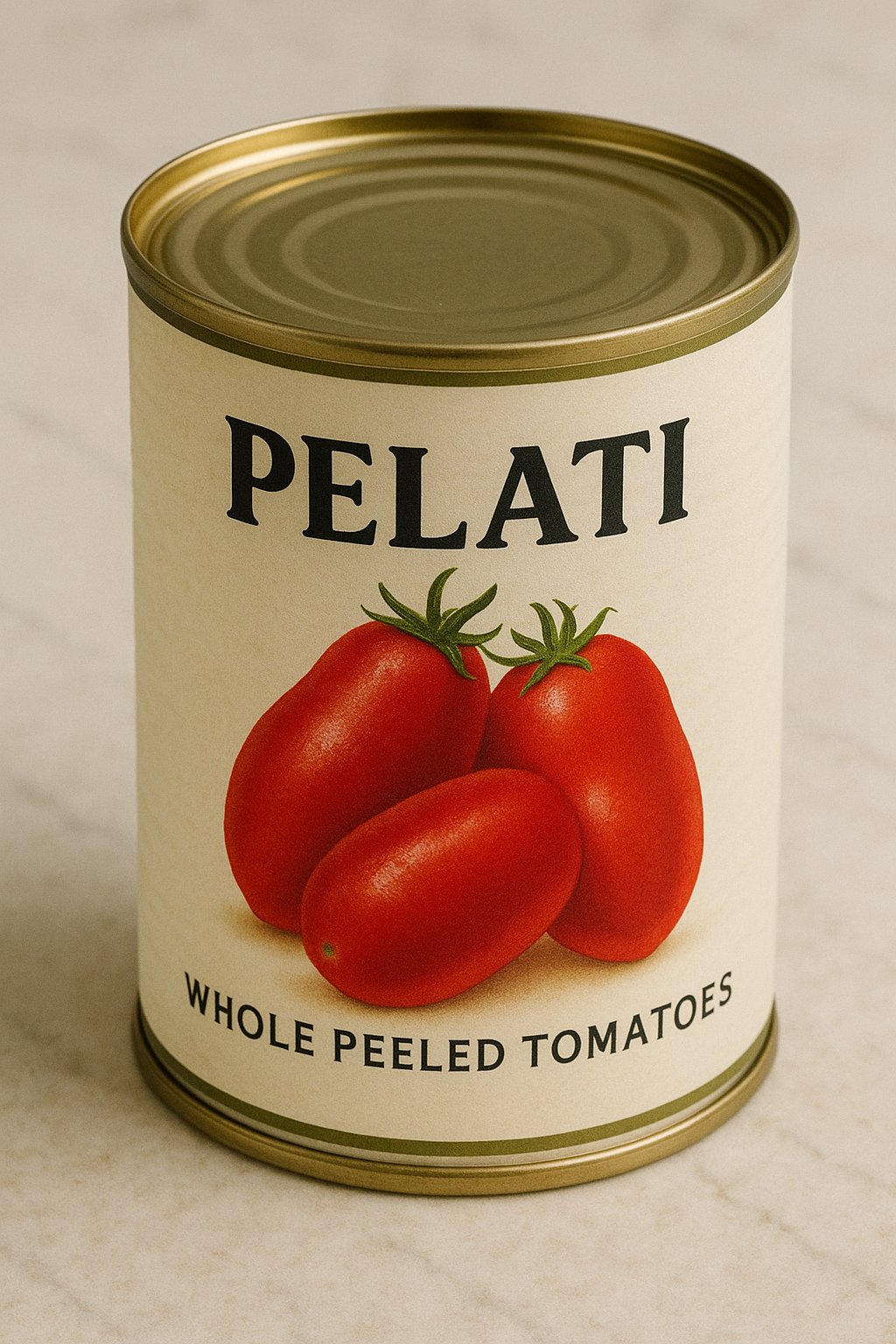
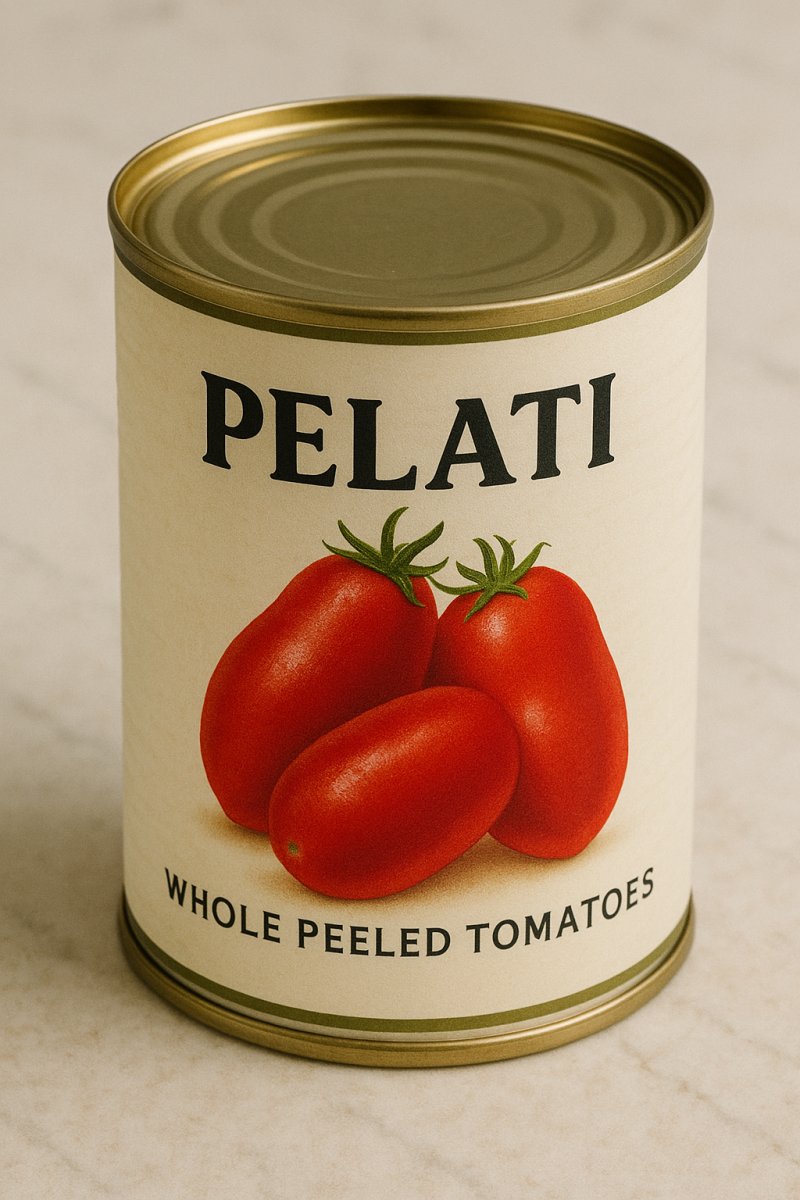
Pelati are peeled, usually chunky tomatoes in a can or jar. They are easy to find in many stores because they are practical: you can store them for a long time and use them quickly in the kitchen. In supermarkets they are usually placed with canned goods or in the Italian food section. Sometimes they are also called peeled tomatoes or whole peeled tomatoes in English. If you go into a small shop, just ask for 'peeled tomatoes' — that will help you find pelati.
Origin
Pelati often come from countries where a lot of tomatoes are grown. The best-known countries of origin are Italy, Spain and the USA, but countries such as Greece, Portugal or parts of South America also supply pelati. Italy is particularly famous for its tomatoes because special varieties that are especially aromatic are grown there. Imagine how apples from a particular region can taste different — the same is true for tomatoes.
Pelati often come from countries where a lot of tomatoes are grown. The best-known countries of origin are Italy, Spain and the USA, but countries such as Greece, Portugal or parts of South America also supply pelati. Italy is particularly famous for its tomatoes because special varieties that are especially aromatic are grown there. Imagine how apples from a particular region can taste different — the same is true for tomatoes.
Growing regions
Tomatoes for pelati are usually grown in warm areas with lots of sun. Sun and enough water are important so the fruits become sweet and juicy. In Italy many tomatoes come from regions such as Abruzzo, Calabria or Puglia. These regions have lots of sun and soil in which the plants grow well. In Spain it is often areas in the south, and in the USA warm states like California.
Tomatoes for pelati are usually grown in warm areas with lots of sun. Sun and enough water are important so the fruits become sweet and juicy. In Italy many tomatoes come from regions such as Abruzzo, Calabria or Puglia. These regions have lots of sun and soil in which the plants grow well. In Spain it is often areas in the south, and in the USA warm states like California.
Available varieties and variants
There are different kinds of pelati that differ in shape, taste and processing. Here is a simple overview:
There are different kinds of pelati that differ in shape, taste and processing. Here is a simple overview:
- Whole pelati (whole peeled): These are whole tomatoes that have been peeled. They look like small red spheres in a can. They are practical because you can break them up as needed — by hand, with a spoon or with a knife.
- Chopped pelati (chopped): These tomatoes are already cut into small pieces. This is convenient if you want to make a sauce or soup quickly and don't want large chunks.
- Passata (passata): This is a kind of fine tomato purée that is very smooth. It is ideal when you need a smooth sauce without pieces. Technically speaking passata is not a pelati in the narrow sense, but it is often offered together.
- Flavored variants: Some pelati already contain seasonings like basil, oregano or onions in the can. These are convenient if you want to save time, but they do change the flavor, so they are not always neutral in application.
- Organic pelati: These come from controlled cultivation where fewer artificial fertilizers or pesticides are used. Many people like them because they are 'more natural'.
The choice depends on what you want to cook. For a thick Bolognese one often uses chopped pelati or whole ones that you break up yourself. For a fine tomato sauce passata is better suited. Remember: pelati are like kitchen helpers that save you time — but depending on the variety they change the taste and texture of your dish a little.
Overall pelati are easy to obtain and come in different variants so you can find the right one for every recipe. Whether from sunny Italian regions or from other tomato-growing areas: the selection is large so you can try which variety you like best.