Menu & categories

Pear

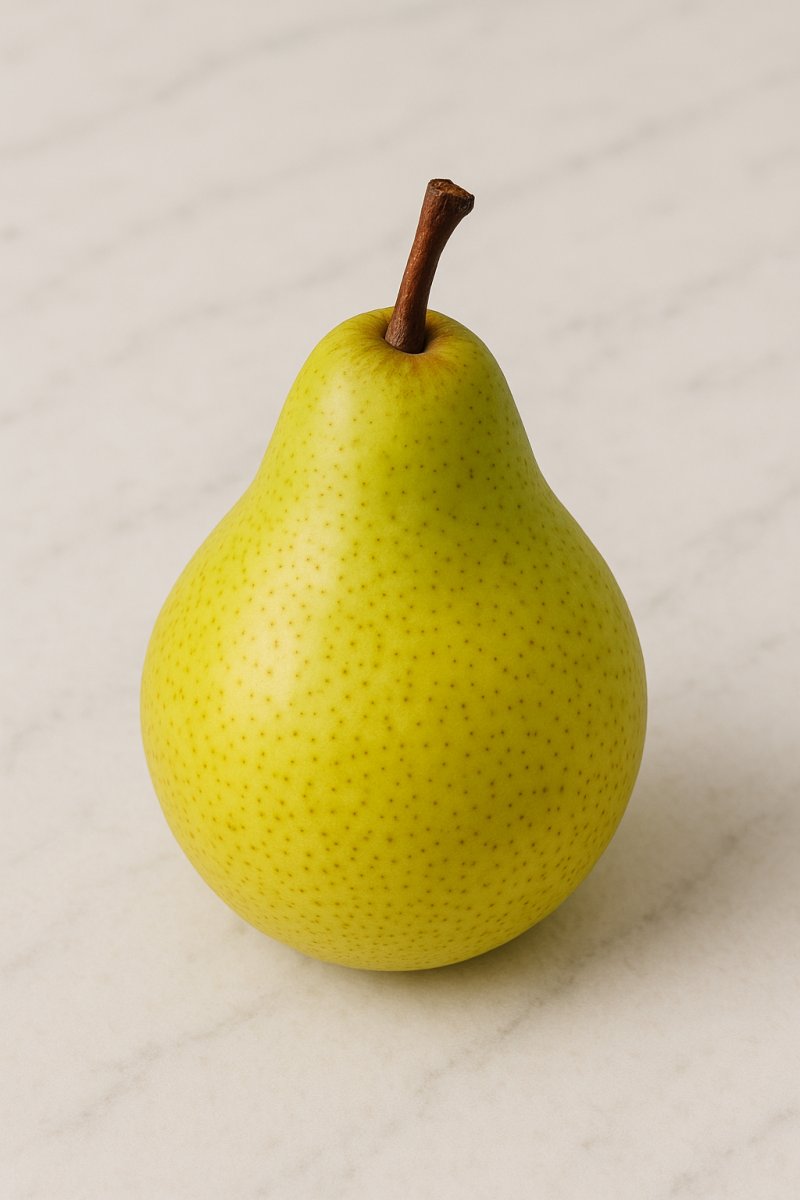
Juicy pome fruit with mild sweetness and fiber-rich skin.

Wiki about pear Nutri-Score A Vegan Yes Gluten-free Yes Lactose-free Yes Nut-free Yes
NUTRITION / 100 g
57 kcal 0.4 g Protein 15.2 g Kohlenhydrate 0.1 g Fett

Introduction

Fresh pear
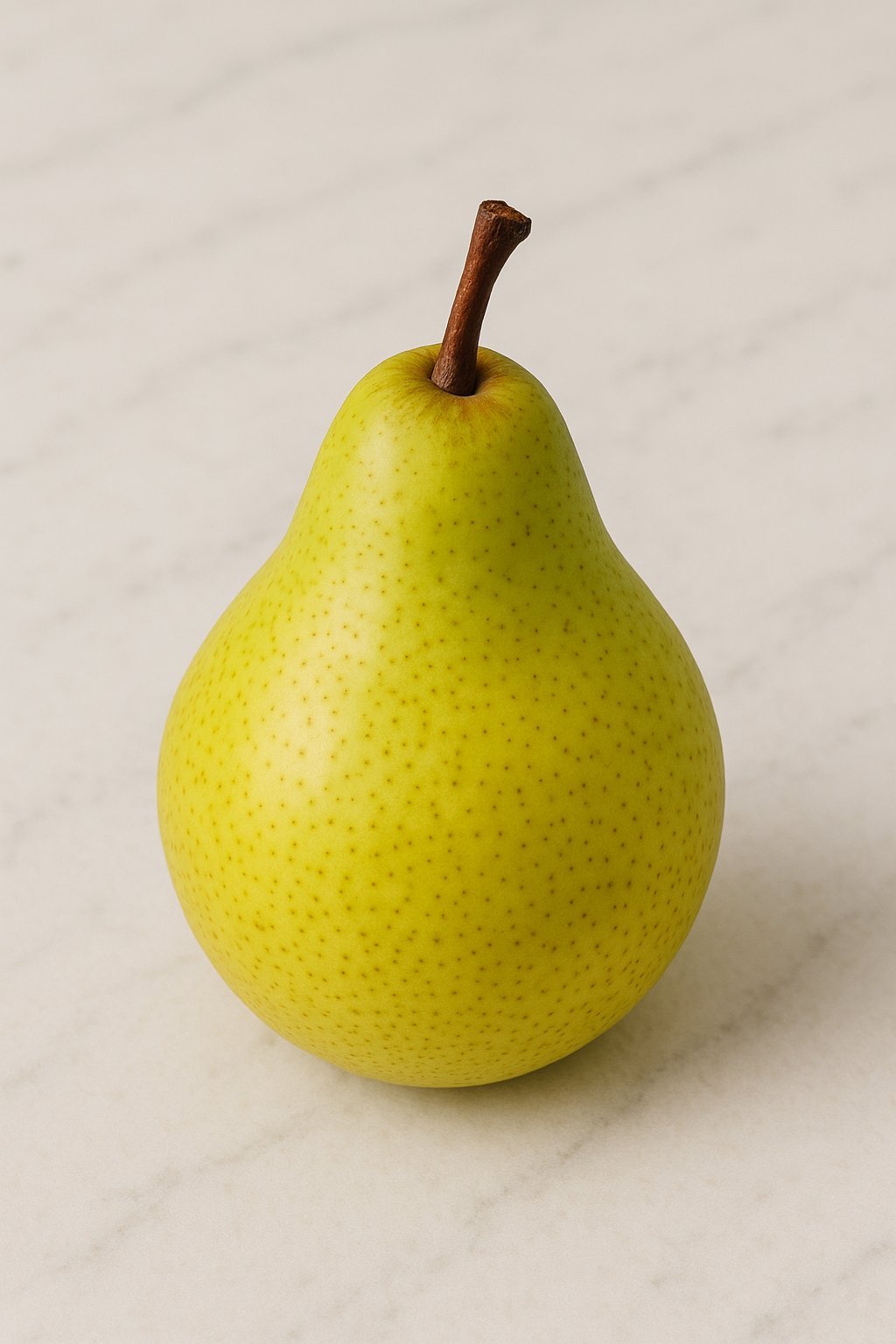
I have a weakness for the pear, which became apparent on my first autumn market visit. Back then I bought an inconspicuous yellow‑green fruit that at the first bite turned out to be surprisingly juicy and velvety. A colleague of mine laughed and called it “the elegant cousin of the apple,” and since then I associate pears with delicate aromas and small culinary surprises.

The pear is so versatile that it rarely stays alone in my kitchen for long. I slice it raw into salads, poach it with vanilla for a simple dessert, and sometimes caramelize it with goat cheese on warm bread. Its texture ranges from crisp to buttery soft, depending on ripeness, and that is precisely what makes working with it exciting. I still remember an afternoon when I wanted to rescue a bowl of overripe pears: instead of compote it ended up as an improvised cake that surprisingly impressed with its moist, flavorful crumb.

Here are a few of my key observations about the pear:

  • Variety: There are many cultivars with different flavors, from floral to honey‑like notes.
  • Storage: Pears ripen after harvest; at room temperature they soften faster, in the refrigerator they last longer.
  • Culinary uses: Suitable raw, baked, stewed or combined with savory ingredients like cheese and nuts.
I love pairing pears with strong cheeses and a zesty white wine. Another time I tried a savory tart with pears and rosemary, which became a firm favorite among friends. Those experiments bring me joy because the pear gives flavor generously and harmonizes apparent contrasts.

To me the pear remains a symbol of late-summer and autumn days, of the joy of experimenting and of small sensual moments at the dining table. I like to take my time watching its ripening and I am pleased every time a simple fruit completes a dish.

Availability & types

Availability and types

The pear is a fruit found in almost every part of the world. It originally grew thousands of years ago in parts of Europe and Asia. Today pears are cultivated in many countries because they are tasty and store well. Major growing areas include China (the largest producer), many countries in Europe such as Italy, Spain and France, as well as parts of South America and North America (for example the USA and Canada).

The period when fresh pears are available in shops depends on variety and country. In our regions the main harvest is usually in late summer to autumn. That means: from late August until around November you will see particularly many fresh pears. Because pears store well or are imported, you can often find them for much of the year nowadays.

There are many different varieties and shapes of pears. Some are soft and sweet, others are firm and well suited for cooking. Here are the main types, explained simply:

  • Table pears – these are the pears eaten raw. They are juicy and sweet. A well‑known example is Bartlett (called Williams in some countries), which is very aromatic.
  • Cooking pears – these pears remain firmer when heated and are good for baking or cooking. Their shape stays intact, so they are often used for compotes and pies.
  • All‑purpose pears – suitable both for eating raw and for cooking. For example the Conference variety is very popular in Europe and versatile in use.
  • Asian pears – these sometimes look more like small apples: round and very crisp. They are juicy and have a firm texture, almost apple‑like.
  • Red pears – some varieties have a red or reddish skin. Inside they are often just as sweet as green or yellow pears and look attractive in fruit bowls.
  • Minor and specialty varieties – there are particularly small, very sweet varieties like the Seckel, which are enjoyed as a sweet snack.
Besides fresh pears you can also find processed variants in stores:

  • Canned or compote – peeled and cooked pears in jars.
  • Dried pears – like raisins, but made from pears; convenient to take along.
  • Juice and nectar – for pear lovers in liquid form.
Simple tip on availability: if you want a specific variety, ask at the supermarket or the fruit stall about its season. Some varieties are flown in so they can be bought out of season. For storage pears are often kept cool, sometimes even in special rooms with low oxygen — it sounds complicated, but it just helps the fruits stay fresh longer.

In summary: pears come from many countries, are freshest from late summer to autumn, and there are many varieties — from soft, sweet table pears to firm Asian pears or special cooking types. So almost everyone can find their favorite pear, whether for snacking, baking or cooking.
Details & nutrition

Property Value
Unit g
Average weight per piece 170
Calories per 100 57
Protein per 100 0.4
Carbohydrates per 100 15.2
Sugar per 100 10.0
Fat per 100 0.1
Saturated fat per 100 0.0
Monounsaturated fat 0.05
Polyunsaturated fat 0.04
Fiber per 100 3.1
Vitamin C (mg) per 100 4.3
Vitamin D (IU) per 100 0
Calcium (mg) per 100 9
Iron (mg) per 100 0.18
Nutri-Score A
CO₂ footprint 0.3 kg CO2e/kg
Origin Germany / EU (seasonal)
Gluten-free Yes
Lactose-free Yes
Nut-free Yes
Vegan Yes
Note Nutritional values refer to raw pear (edible portion). Skin provides additional fiber.

Technical & scientific information

Pear (predominantly Pyrus communis and various other species of the genus Pyrus) is a widely cultivated pome fruit with a characteristic pear‑shaped form, variable skin color and a texture that can range from crisp to mealy. Botanically the pear belongs to the rose family (Rosaceae) and differs from apples by often having finely distributed sclereid cells, which cause the typical graininess found in some cultivars. Typical ripening indicators are an increased ethylene production and an elevated respiration rate, which is why pears are climacteric fruits that continue to ripen after harvest.

The chemical composition of the pear is characterized by a high water content (about 83–86 %), a dry matter largely composed of carbohydrates and very low fat and protein contents. Average nutrient values per 100 g fresh weight are approximately 57 kcal energy, 15 g carbohydrates (of which about 9–10 g are available sugars), 3–4 g fiber, 0.4 g protein and 0.1 g fat. Significant minerals include potassium (around 100–150 mg/100 g) as well as traces of copper and boron. Vitamins occur in moderate amounts; vitamin C is variety‑dependent (typically 3–7 mg/100 g), with small amounts of folate and vitamin K also possible.

Key secondary plant compounds in pears are phenolic compounds, including chlorogenic acid, flavonoids (for example quercetin glycosides) and various procyanidins. These antioxidants contribute to health‑relevant properties and are concentrated mainly in the skin. The pear also contains sorbitol, a sugar alcohol that affects taste, sweetness and osmotic properties and may have a laxative effect in some individuals.

Texture and techno‑functional properties are strongly determined by pectin and cell wall components. Pectin contents vary by variety and ripeness (approximately 0.5–1.5 %), which is important for jam and muesli processing as well as for behavior during cooking. The cell structure with parenchyma cells and sclereids influences fracture behavior, juice release and mouthfeel.

Various processing techniques are used:

  • Heat treatment: preservation by pasteurization and cooking for compotes and canned goods.
  • Juicing and clarification: mechanical juice extraction followed by enzymatic treatment and filtration.
  • Drying and osmotic treatment: hot‑air or freeze‑drying and osmotic pre‑treatment to improve texture and quality.
  • Fermentation and distillation: alcoholic fermentation to produce perry or pear wine and subsequent distillation to fruit brandies.
  • Protective measures: prevention of enzymatic browning by cooling, ascorbic acid or SO2 addition and the use of antioxidants.
From a nutritional viewpoint pears contribute dietary fiber and water‑soluble pectins, which can have positive effects on bowel function and satiety. The combination of low fat and moderate sugar content results in a low to moderate glycemic index. Allergic reactions can occur in individuals with birch pollen allergy due to cross‑reactivity (PR‑10/Bet v 1 homologous proteins) and typically lead to oral allergy symptoms.

Shelf life and storage are based on cooling and controlled atmosphere (reduced O2 content, slightly elevated CO2) to delay senescence and ethylene effects. Sensitivity to chilling or storage disorders and variety‑specific postharvest ripening are crucial parameters for quality and flavor in trade and processing.

Wiki entry for: pear
Active now: 18 visitors of which 2 logged-in members in the last 5 minutes