Menu & categories

Passion Fruit Nectar

Fruity, tangy nectar from passion fruit, ideal for drinking and mixing.

Wiki about passion fruit nectar Nutri-Score D Vegan Yes Gluten-free Yes Lactose-free Yes Nut-free Yes
NUTRITION / 100 ml
52 kcal 0.2 g Protein 12.5 g Kohlenhydrate 0.1 g Fett

Introduction

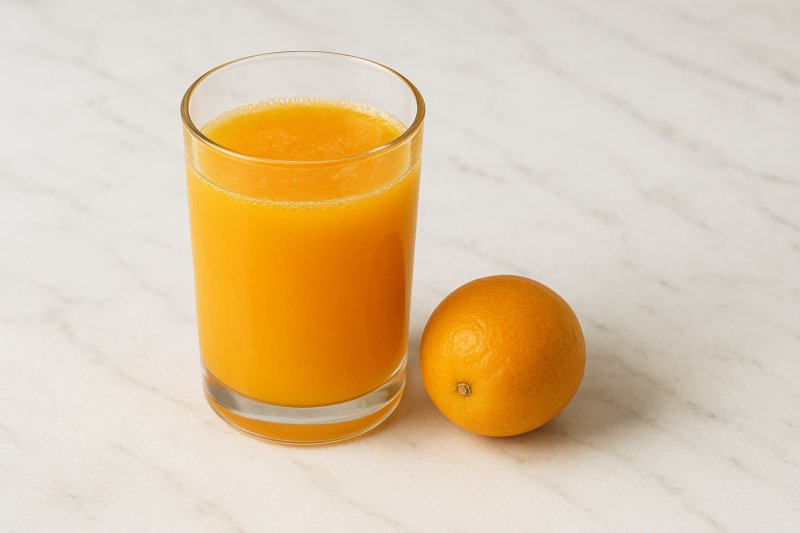
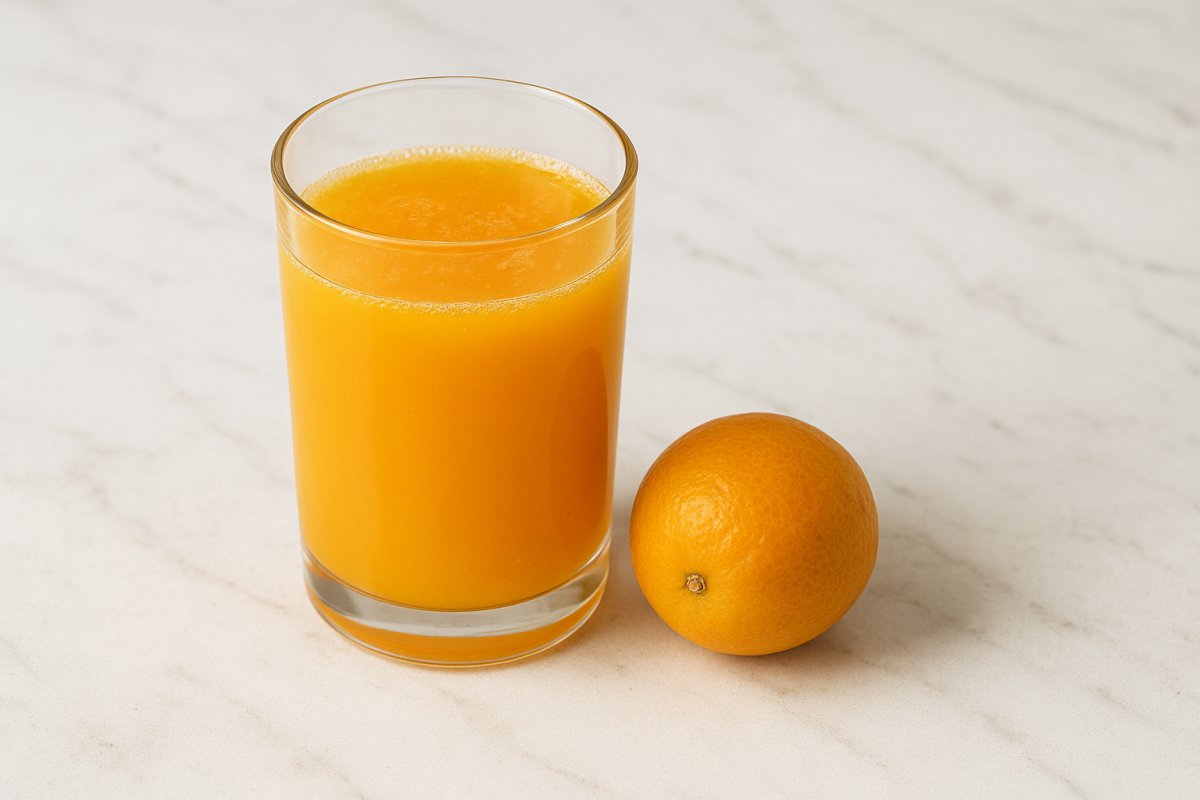
Glass of passion fruit nectar with passion fruit
I admitted a little love: passion fruit nectar is for me this fruity secret that brightens every kitchen. I still remember the first time I took a sip of a sparkling mix; a colleague handed me a glass on a warm terrace, and it immediately felt as if a sunny drop of Brazil had jumped straight into my mouth. The scent is intense, almost tropically sweet with a delicate floral note that in the finish is accompanied by a pleasant acidity.

What I especially love about passion fruit nectar is its versatility. It is thicker than pure juice, so it is excellent for dressings or sorbets without being overwhelmed in flavor. You can drink it straight, but also use it sparingly to create balance in a dish. Once I refined a simple yogurt with it, and another friend swore by using it in his morning smoothie – the combination of a creamy base and the sharp-fruity passion fruit is unbeatable.

Here are some of my favorite uses and tips that I learned while traveling and through countless experiments:

  • Cocktails: A splash of passion fruit nectar in Caipirinha variations brings freshness.
  • Desserts: As a glaze for cheesecake or as a base for panna cotta a dream.
  • Sauces & Dressings: With olive oil and lime it becomes a light salad dressing.
  • Freezing: Frozen in ice cube trays, it extends shelf life and flavors cocktails.
One more anecdote: while rummaging through a market I tried nectar from two stalls and could hardly believe how different the same product can taste – that taught me to pay attention to origin and ingredients when buying. Sometimes just a small sip is enough to evoke memories of distant summers. For me, passion fruit nectar remains an uncomplicated, cheerful ingredient that creates surprising moments both in the home kitchen and at a party. I won't give it up.

Availability & types


Availability and types of passion fruit nectar

Origin
Passion fruit nectar comes from the passion fruit, also called maracuja. This fruit grows on climbing plants that thrive in warm, sunny areas. The passion fruit originally comes from South America, for example Brazil and Venezuela. Today it is also grown in other warm countries so that we can buy the beverage year-round.

Growing regions
The main regions where passion fruits grow are:
  • South America: Brazil, Peru, Colombia – many juices come from there.
  • Central America and the Caribbean: Countries like Costa Rica and Ecuador also supply fruit.
  • Africa: Some African countries grow maracuja for export.
  • Southeast Asia: Thailand and Indonesia also produce maracuja.
Because maracuja grows in many parts of the world, you often find passion fruit nectar in supermarkets – sometimes fresh, but often as a bottled beverage.
Available varieties and types
Passion fruit nectar comes in different forms so there is something for every taste. Here are some common types, simply explained:

  • Pure passion fruit nectar: This is juice from the passion fruit, often mixed with some water and sugar. It is called “nectar” because the pure fruit is very sour and therefore is usually sweetened a bit.
  • Unsweetened nectar: For people who prefer less sweet or watch their sugar intake. It tastes strong and slightly tart.
  • Organic nectar (Bio): This nectar comes from organic farming. That means farmers do not use chemical pesticides. It is often more expensive, but important to some.
  • Concentrate / reconstituted juice: For concentrate, water is removed from the juice so it is smaller and easier to transport. At home or in factories water is later added back. This saves space and costs, similar to dried foods.
  • Purée or fruit pulp: Thicker variant with fruit pieces. Good for baking, smoothies or desserts.
  • Mixes / blends: Passion fruit nectar is often mixed with other fruit juices, for example orange or mango juice. This makes the flavor milder or fruitier.
  • Frozen or in cans/bottles: There are frozen fruit purees that keep for a long time, and ready-packed nectar in bottles or tetrapaks. Some varieties are also available in small portion packs.
Where to find passion fruit nectar
You can buy passion fruit nectar in many supermarkets, health food stores and online shops. Fresh passion fruits are seasonal, so they do not always come from the region. This is one reason why nectar is practical: it keeps longer and is often available year-round.

In summary: passion fruit nectar comes from the tropical passion fruit and is available worldwide in many variants – from sweet to unsweetened, organic, as concentrate or in blends. So there is a suitable type for every taste and use.
Details & nutrition

Property Value
Unit ml
Calories per 100 52
Protein per 100 0.2
Carbohydrates per 100 12.5
Sugar per 100 12
Fat per 100 0.1
Saturated fat per 100 0
Monounsaturated fat 0
Polyunsaturated fat 0
Fiber per 100 0.2
Vitamin C (mg) per 100 12
Vitamin D (IU) per 100 0
Calcium (mg) per 100 6
Iron (mg) per 100 0.1
Nutri-Score D
CO₂ footprint 0.04 kg CO2e pro 100 ml (Schätzung)
Origin EU/Non-EU (depending on bottling and fruit juice concentrate)
Gluten-free Yes
Lactose-free Yes
Nut-free Yes
Vegan Yes
Note Nutritional values may vary depending on fruit content and added sugar; often made from juice/pulp or from concentrate.

Technical & scientific information


Passion fruit nectar refers to a beverage obtained from the passion fruit (usually Passiflora edulis) produced from pulp or fruit juice, water and often added sweeteners. Unlike pure juice, nectar is thicker and typically contains a defined proportion of fruit solids, so flavor, texture and nutrient content can differ from pure fruit juice. Commercial products vary in fruit content, additives and processing methods, which affects sensory and nutritional characteristics.

Chemical composition
The liquid phase of passion fruit nectar consists mainly of water and dissolved carbohydrates. The main sugars are glucose, fructose and, to a lesser extent, sucrose. Characteristic organic acids are citric acid and malic acid, which influence acidity profile and shelf life. A variety of volatile compounds occur as aroma components, including terpenes (e.g. linalool), esters and ketone-like compounds, which shape the typical intense fruity aroma. Pectin-like polysaccharides and soluble fibers contribute to viscosity, particularly when pulp and seed fractions are present.

Nutritional values (typical ranges per 100 ml)

  • Energy: approx. 40–70 kcal, depending on added sugar and fruit content.
  • Carbohydrates: about 9–15 g (of which sugars 8–12 g).
  • Fiber: usually <1–2 g, higher in products with pulp.
  • Vitamin C: very variable, typically 5–30 mg per 100 ml.
  • Fat and protein: negligible in beverages; however seeds contain oil-rich fractions (dominantly linoleic acid).
Processing methods
Production begins by opening ripe fruits and separating pulp and seeds. Depending on the product the pulp is filtered or partially retained. Key processing steps include:

  • Extraction: mechanical scraping, sieving or centrifugation to obtain the fruit pulp.
  • Enzymatic treatment: use of pectinases to reduce viscosity and release juice.
  • Concentration (optional): vacuum evaporation to produce juice concentrate.
  • Blending: addition of water, sweeteners, acidity regulators and stabilizers.
  • Thermal treatment: pasteurization or UHT for microbial stabilization; alternatively cold-filling for gentler processing (NFC).
  • Homogenization and filling: ensuring a uniform texture and packaging.
Scientific and health aspects
Passion fruit nectar provides rapidly available energy from simple sugars and can, due to its vitamin C content and secondary plant compounds (polyphenols), contribute to the antioxidant capacity of the diet. The seeds contain a high-quality plant oil with a high share of polyunsaturated fatty acids, which is however usually removed in nectars. Heat exposure during processing reduces volatile aroma compounds and can degrade vitamin C; therefore freshness character and nutrient content vary depending on the manufacturing process. For people with special dietary requirements it is important to check the amount of added sugar, as high sugar intake carries metabolic risks. Unpasteurized products pose a microbial risk, whereas pasteurized nectars show a significantly longer shelf life.

Applications and storage
Passion fruit nectar is used neat, as a mixing ingredient in cocktails, in desserts and as part of smoothies and sauces. To preserve aroma and nutrients storage protected from light and refrigerated after opening is recommended, with short-term consumption after opening. Industrially produced nectars are often thermally treated and aseptically packaged for longer shelf life.

Overall, passion fruit nectar is an aromatic, energy-dense fruit product with variable composition; its nutritional properties depend largely on fruit content, added sugars and processing applied.

Wiki entry for: passion fruit nectar
Active now: 17 visitors of which 2 logged-in members in the last 5 minutes