Menu & categories

Palm fat

A versatile vegetable fat.

Wiki about palm fat Nutri-Score D Vegan Yes Gluten-free Yes Lactose-free Yes Nut-free Yes
NUTRITION / 100 g
884 kcal 0 g Protein 0 g Kohlenhydrate 100 g Fett

Introduction

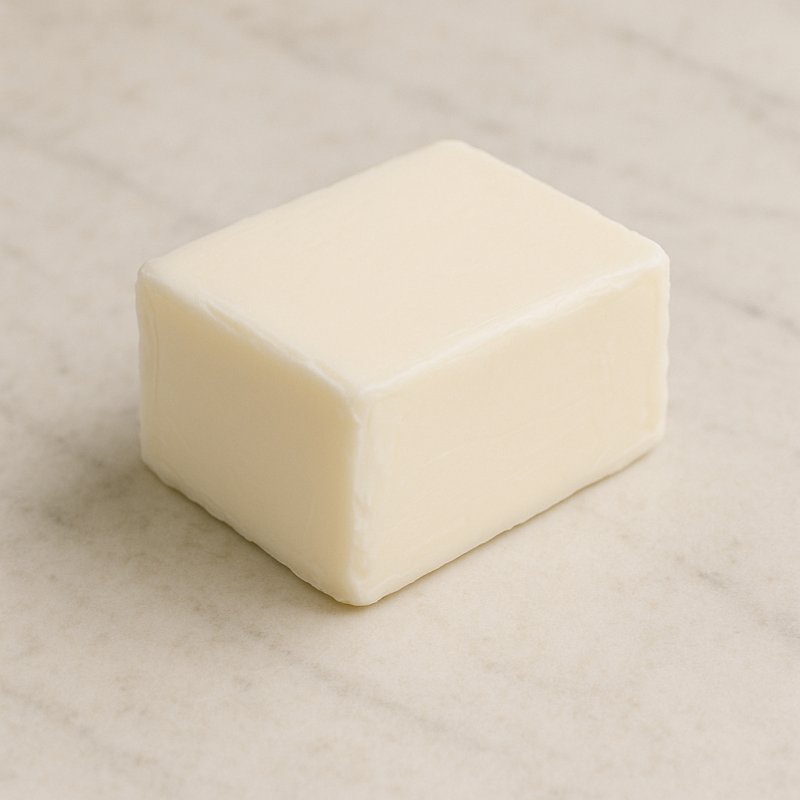
An image of palm fat.
I still remember my first attempt to cook with palm fat. It was a mild summer evening, and I had decided to try an exotic recipe I had found in a cookbook. Palm fat? I didn't know it. But the description sounded enticing: it would give my dishes a special texture and a unique flavor. I was curious and at the same time nervous, because I knew the ingredient is both loved and hated in the culinary world.

Arriving in the kitchen, I held the palm fat in my hands and was impressed by its golden color. A colleague of mine had once said that palm fat is the “lard of the tropics.” That made me smile, because I really wanted to create something tasty and not look like a cook from an old horror movie. As the fat melted in the pan, the room filled with a warm, almost sweet aroma. Immediately I thought of the many dishes I had tried in different cultures, from hearty curries to crispy fried snacks.

I quickly learned that palm fat is not only versatile but also very stable. It has a high smoke point, which means I could use it excellently for frying and deep-frying without worrying about the formation of harmful substances. It is rich in saturated fats, but also in important nutrients such as vitamin E and carotenoids. Of course it is important to enjoy it in moderation, but I couldn't help noticing the scent of the freshly fried chicken – simply irresistible!

But as with many foods, palm fat also has a downside. There are serious environmental concerns associated with the cultivation of palm oil, particularly regarding the deforestation of rainforests. I then looked more closely into the origin of my ingredients and learned that sustainable alternatives exist. So when I use palm fat, I make sure it comes from responsible production.

In summary, I can say that palm fat can be an exciting ingredient in the kitchen that, when used correctly, can enhance many dishes. It brings a special note to Asian cuisine and can even shine in vegan baking. And who knows, it might become a secret tip for you on your next culinary discovery journey. Be inspired and give it a try – I can only recommend it!

Availability & types

Availability and types of palm fat

Palm fat is an ingredient used in many foods and products, and it has an interesting origin. It is derived from the fruits of the oil palm, which grows primarily in tropical regions. The largest cultivation areas for oil palms are in countries such as Indonesia and Malaysia. These two countries together produce more than 80% of the world's palm oil. This means that almost every product that contains palm fat often comes from these countries.

The oil palm grows best in warm, humid climates with plenty of sun and rain. It requires a lot of space, and plantations are often very large. Planting an oil palm takes several years before it bears fruit. But then it can be harvested for many years, making it a valuable crop.

There are various types and variants of palm fat that differ depending on processing and use. The most common kinds are:

  • Palm oil: This is the unrefined form, obtained directly from the fruits of the oil palm. It has a reddish color and a slightly fruity taste. Palm oil is often used in the food industry, for example in cookies or margarine.
  • Palm fat: This is a refined form of palm oil produced by heating and filtering. Undesirable components are removed in the process. Palm fat has a lighter color and a more neutral taste, making it ideal for many recipes.
  • Palm fruit oil: This is a special type of palm oil obtained only from the fruit flesh of the oil palm. It has a high content of saturated fats and is often used in the manufacture of confectionery.
  • Kernel oil: This is obtained from the kernels of the oil palm and has a very different taste and properties. Kernel oil is frequently used in the cosmetics industry or as an edible oil in some regions.
The availability of palm fat is large worldwide, as it is found in many products. You can buy it in supermarkets, health food stores or online. Many food manufacturers use palm fat because it is cost-effective and versatile. This means it can be found in many everyday products such as chocolate, bread, chips and even in soaps or cosmetics.

An important point to consider regarding palm fat is that oil palm cultivation can sometimes have negative environmental impacts. In some regions, rainforests are cleared to make way for palm plantations. Therefore it is important to pay attention to products that come from sustainably grown sources. There are organizations that ensure palm fat is produced in an environmentally friendly way, and such products are often marked with a special label.

In summary, palm fat is an important ingredient derived from the fruits of the oil palm and is available in many different forms. It is important to use this ingredient consciously and to seek information about its origin.

Details & nutrition

Property Value
Unit g
Calories per 100 884
Protein per 100 0
Carbohydrates per 100 0
Sugar per 100 0
Fat per 100 100
Saturated fat per 100 49
Monounsaturated fat 37
Polyunsaturated fat 9
Fiber per 100 0
Vitamin C (mg) per 100 0
Vitamin D (IU) per 100 0
Calcium (mg) per 100 0
Iron (mg) per 100 0
Nutri-Score D
CO₂ footprint 3.5
Origin Tropical countries
Gluten-free Yes
Lactose-free Yes
Nut-free Yes
Vegan Yes
Note Palm fat is a vegetable fat frequently used in the food industry.

Technical & scientific information

Palm fat, also known as palm oil, is a vegetable fat obtained from the fruits of the oil palm (Elaeis guineensis). It is one of the most widely used edible oils worldwide and plays a central role in the food industry. The extraction of palm fat takes place in several steps, beginning with the harvest of ripe fruits, followed by pressing and refining to remove unwanted impurities.

Chemical composition
The chemical profile of palm fat is characterized by a high content of saturated fatty acids, including palmitic acid (approx. 44%), stearic acid (approx. 5%), as well as unsaturated fatty acids such as oleic acid (approx. 39%) and linoleic acid (approx. 10%). This composition gives palm fat its characteristic physical properties, such as a solid consistency at room temperature and high heat stability, making it particularly suitable for frying and baking.

Ingredients and nutritional values
100 g of palm fat contain approximately:


  • Calories: 884 kcal
  • Fat: 100 g
  • of which saturated fatty acids: 49 g
  • of which monounsaturated fatty acids: 39 g
  • of which polyunsaturated fatty acids: 11 g
  • Carbohydrates: 0 g
  • Protein: 0 g
  • Vitamin E: 15 mg
  • Beta-carotene: 0.6 mg
These values can vary depending on the processing and origin of the palm fat.
Processing methods
The processing of palm fat involves several steps to make the final product suitable for human consumption. After harvest the fruits are steamed to soften the flesh, followed by mechanical pressing to extract the oil. The crude palm oil is then refined to remove impurities and increase shelf life. Various methods such as chemical refining, physical refining and winterization are applied during this process to improve the quality and appearance of the oil.
Health aspects
The health effects of palm fat are debated. On one hand it is often criticized because the high content of saturated fats is associated with an increased risk of cardiovascular disease. On the other hand palm fat also contains essential fatty acids and antioxidants, such as vitamin E and beta-carotene, which may offer health benefits. Studies have shown that moderate consumption of palm fat within a balanced diet can be safe, however total fat intake and the type of fats consumed should be considered.
Ecological and social aspects
The production of palm fat has significant ecological impacts.
Wiki entry for: palm fat
Active now: 20 visitors of which 2 logged-in members in the last 5 minutes