Menu & categories

Oregano

Aromatic Mediterranean culinary herb with an intense flavor

Wiki about oregano Nutri-Score A Vegan Yes Gluten-free Yes Lactose-free Yes Nut-free Yes
NUTRITION / 100 g
265 kcal 9.0 g Protein 69.0 g Kohlenhydrate 4.3 g Fett

Introduction

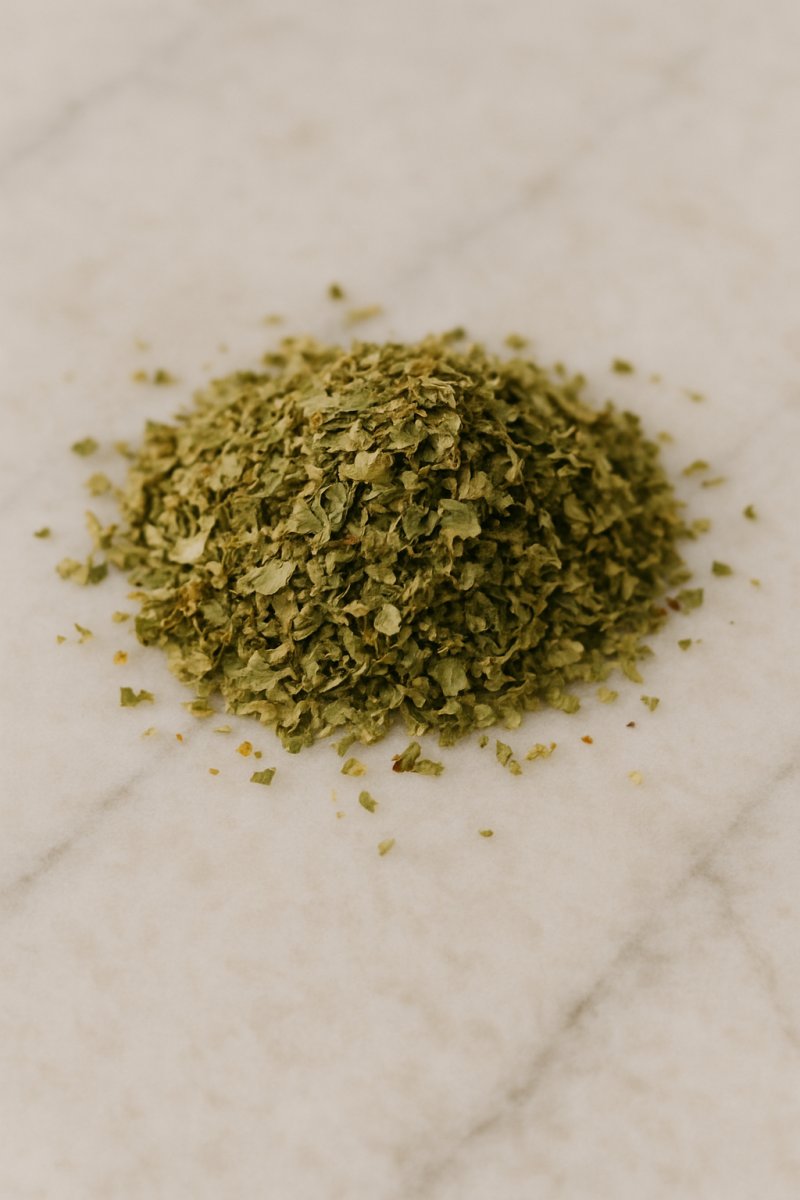
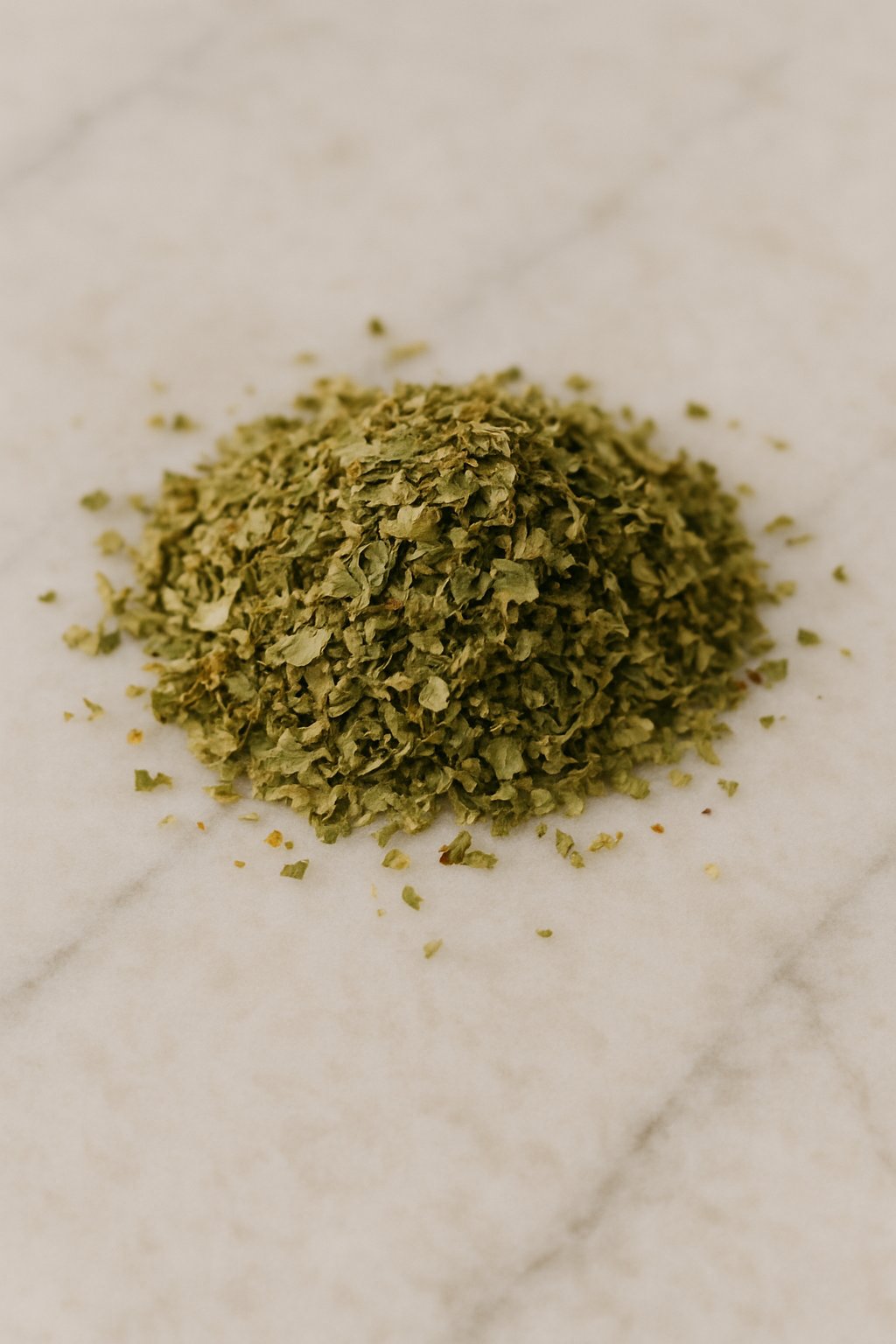
Dried oregano in a bowl and fresh oregano sprigs
I still remember the first scent of oregano that really filled my apartment: warm, slightly peppery and with that unmistakable Mediterranean sunshine that immediately makes you long for tomatoes, olive oil and long evenings. For me oregano is not just an herb; it's a mood, a small kitchen garden and an easygoing friend that gives many dishes the finishing touch.

In my kitchen I use oregano in so many ways that sometimes I feel it's my secret cooking companion. Fresh it takes on a green, slightly lemony tone, while dried oregano releases deeper, almost smoky notes. A colleague of mine swears by adding it to the Bolognese right at the end of the braise so the essential oils don't evaporate. I tried it and was amazed at how much rounder the sauce became.

Oregano goes with much more than just pizza. I like to sprinkle it over grilled vegetables, in marinades for lamb or chicken and even in an olive bread. Its versatility is also evident in cold dishes: a drizzle of good olive oil, tomatoes, a hint of oregano and you have a simple but distinctive salad. In my latest experiment I mixed oregano into a lemon dressing — the combination of acidity and herb spice worked surprisingly well.

A small tip I take from years of experimenting: add dried oregano early to long-cooking dishes so its flavors have time to develop. Fresh oregano I usually add at the end to preserve the fresh herb note. And if you're sometimes unsure about the amount: it's better to go slowly, because oregano can quickly become dominant.

  • Taste: peppery, savory, slightly balsamic
  • Use: pizza, pasta, grilled dishes, salads, marinades
  • Tip: dried early, fresh at the end
Oregano is a little kitchen miracle for me: uncomplicated, intense and always ready to lift a dish from good to unforgettable. When I have guests, it is often the scent of oregano that is noticed first — and the smile that follows is priceless.

Availability & types

Availability and types of oregano

Oregano is a popular herb often found on pizza, in tomato sauces or in salads. It originally comes from the Mediterranean region, especially countries like Greece, Italy and Turkey. These regions have warm, sunny weather and dry soils – exactly what oregano prefers. Today oregano can be found around the world because farmers grow it in many other countries where the climate is similar or can be controlled with greenhouses.

Where does oregano come from and where does it grow?

  • Mediterranean: This is oregano's home. The plants grow wild on sunny slopes and in rocky areas.
  • Europe and North Africa: Many countries around the Mediterranean cultivate oregano because the conditions are ideal.
  • North and South America: In these regions oregano is also cultivated, especially in warmer parts or in greenhouses.
  • Garden cultivation: Oregano is popular in gardens because it doesn't need much care: some sun, little water and well-drained soil.
Which varieties of oregano exist?

There are several varieties or "types" of oregano. Some have a stronger aroma, others are milder. Here are the main ones, explained as if to children:

  • Greek oregano – This one is very well known. It smells and tastes strong, a little sharp and very aromatic. Many people say it is the best for pizza and tomato sauces.
  • Italian oregano – Often a bit milder than the Greek. It pairs well with pasta and Italian dishes.
  • Mexican oregano – Quite different from the Mediterranean types: it belongs to a different plant family and has a spicier, slightly lemony flavor. It is often used in hot and savory dishes.
  • Wild oregano – This is oregano that grows in the wild without being planted. Its flavor can be very intense because the plants have to work harder to survive.
  • Winter-hardy oregano – Some varieties survive cold winters and remain green even in frost. That is useful if you live in areas with freezing winters.
Fresh or dried – what's different?

Oregano is available fresh and dried. Fresh oregano comes directly from the plant and has a mild, green aroma. Dried oregano has a more concentrated flavor because the water in the leaves has evaporated and the aroma becomes stronger. Imagine comparing a fresh strawberry to a raisin: the raisin is smaller but more intense in flavor. That's similar with dried oregano.

How to find good oregano in the store?

  • For fresh oregano, look for green, unwilted leaves.
  • Dried oregano should not be too dusty; it should still have small leaf pieces and smell good.
  • Sometimes the label states the country of origin of the oregano – that can help find a variety with a familiar taste.
In summary: oregano is a versatile plant from the Mediterranean, but today available worldwide. There are different varieties with different flavor profiles – from strong to mild, from Mediterranean to Mexican. You can buy it fresh or dried, in the supermarket or harvest it from your own garden. Oregano fits many dishes and brings a lot of flavor with little effort.
Details & nutrition

Property Value
Unit g
Calories per 100 265
Protein per 100 9.0
Carbohydrates per 100 69.0
Sugar per 100 4.1
Fat per 100 4.3
Saturated fat per 100 1.6
Monounsaturated fat 0.7
Polyunsaturated fat 1.4
Fiber per 100 42.0
Vitamin C (mg) per 100 2.0
Vitamin D (IU) per 100 0
Calcium (mg) per 100 1597
Iron (mg) per 100 36.8
Nutri-Score A
CO₂ footprint 1.8
Origin Mediterranean region, often from Turkey, Greece or Italy
Gluten-free Yes
Lactose-free Yes
Nut-free Yes
Vegan Yes
Note Nutritional values refer to dried oregano; fresh oregano, due to its higher water content, has significantly lower nutrient and energy densities.

Technical & scientific information

Oregano (frequently meant is Origanum vulgare from the family Lamiaceae) is an aromatic herb used in the kitchen both as fresh leaf greens and as a dried spice. Botanically, oregano belongs to the genus Origanum, which includes several species and cultivated varieties. The plant is perennial, shows opposite, often strongly hairy leaves and paniculate inflorescences. Origin and traditional use lie in the Mediterranean and parts of Asia, where oregano has been used for centuries as a seasoning and in folk medicine.

Chemical composition and constituents
The characteristic aroma of oregano is based on a complex mixture of secondary plant metabolites, mainly essential oils and phenolic compounds. The most important constituents include carvacrol and thymol, which can make up a large percentage of the oil content. Other alcohols, esters, ketones and terpenes such as p-cymene, γ-terpinene and linalool contribute to the odor and flavor profile. In addition, oregano contains flavonoids (e.g. hesperidin, apigenin), phenolic acids (e.g. rosmarinic acid, caffeic acid), tannins and bitter compounds.

Nutritional values
Fresh oregano supplies only small amounts of macronutrients, but relevant amounts of micronutrients per weight unit due to its dense plant matrix. Typical nutritional values per 100 g fresh oregano are low in calories, with moderate shares of carbohydrates and fiber and small amounts of protein. Oregano is rich in vitamins such as vitamin K and provides minerals like calcium, iron and manganese. When dried these values concentrate, so spice quantities provide smaller absolute nutrient amounts but are richer per gram.

Processing and storage
Common processing methods include drying the leaves, obtaining essential oils by steam distillation, and extraction with solvents or subcritical/supercritical CO2 to produce standardized extracts. During drying gentle temperature control is important because too high temperatures destroy volatile constituents and reduce aroma as well as carvacrol/thymol content. Dried oregano should be stored protected from light and air in dark containers to minimize oxidation and aroma loss. Gas chromatography (GC) and mass spectrometry (MS) are used to standardize oils and determine profile and purity.

Pharmacological and health aspects
Laboratory studies show antimicrobial, antioxidant and anti-inflammatory properties of oregano extracts, mainly attributed to the phenolic components. In vitro carvacrol and thymol inhibit growth of various bacteria and fungi through mechanisms affecting membrane structures and enzyme functions. Antioxidant effects are explained by radical-scavenging properties of the phenols. Clinical data are limited; in relevant food amounts oregano is considered safe, while high doses of essential oils should be used with caution due to their potency and possible gastrointestinal irritant effects or allergic reactions. Pregnant and breastfeeding people and persons with certain medical conditions should seek medical advice before using therapeutically active extracts.

Safety and quality aspects
The quality of oregano products varies depending on origin, harvest time and processing. Adulteration with other herbs or low-quality plant parts is a documented problem in markets. Sensory testing combined with chromatographic analysis ensures authenticity. Contamination risks exist from pesticides, molds and mycotoxins, which is why good agricultural practice (GAP) and hygiene at harvest and drying are important.

Applications

  • Culinary: seasoning tomato-, meat- and vegetable-based dishes as well as in spice blends such as Herbes de Provence.
  • Industrial: flavoring in foods, herbal preparations and essential oils for perfume and cosmetic products.
  • Research: model substance for studying antimicrobial phenols and as a source of bioactive natural compounds.
Overall, oregano is a chemically diverse plant with a pronounced aroma profile and demonstrated bioactive properties. While traditional uses and in vitro findings are promising, therapeutic claims require further clinical research. For everyday use oregano remains primarily a versatile and well-tolerated culinary herb with added nutrient and secondary plant compound content.
Wiki entry for: oregano
Active now: 20 visitors of which 2 logged-in members in the last 5 minutes