Menu & categories

Olive oil

Aromatic vegetable oil from olives – ideal for cold dishes and gentle frying.

Wiki about olive oil Nutri-Score C Vegan Yes Gluten-free Yes Lactose-free Yes Nut-free Yes
NUTRITION / 100 ml
884 kcal 0.0 g Protein 0.0 g Kohlenhydrate 100.0 g Fett

Introduction

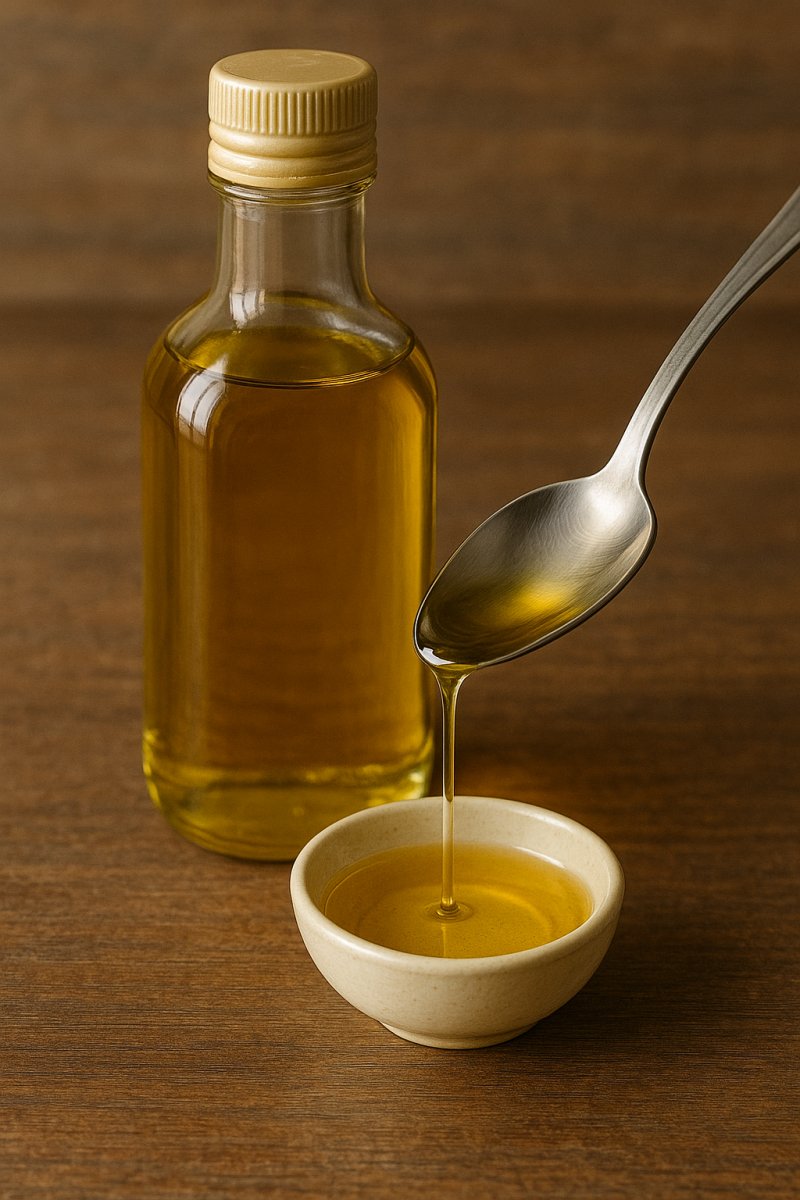
Bottle of olive oil
I have a lively relationship with olive oil that has developed over many travels, markets and kitchen experiments. Olive oil for me is far more than just a cooking fat: it is scent, texture and memory at once. I still remember a sunny morning at a small seaside market, where an old vendor explained how to recognize real, fruity oil by its green color and peppery bite. His passion was infectious and since then, when I open a bottle I immediately smell the landscape it comes from.

I say deliberately “when I open”, because aroma is a key: freshly pressed olive oil can smell of grass, artichoke, tomato or even almond notes. In cooking I use it in many ways: for sautéing, as a finish over grilled vegetables or simply on fresh bread with a pinch of sea salt. A colleague of mine swears by putting a few drops over vanilla ice cream – a surprising but delicious combination.

  • Types: Extra Virgin (intense, cold-pressed), Virgin, Refined – each type has its use.
  • Health: Rich in monounsaturated fatty acids and polyphenols, it contributes to a balanced fat profile in the diet.
  • Storage: Dark, cool and in a tightly sealed bottle – light and heat are its worst enemies.
  • Use: Raw as a dressing, for light frying or as an aromatic finish.
I like to experiment: sometimes I add a few drops to a tomato soup to give it depth, or mix herb oil for marinades. A small mishap in an earlier kitchen taught me that you should not heat olive oil too much if you want to preserve its subtle aromas. Since then I pay attention to the right temperature and enjoy every nuance more consciously.

Olive oil connects culinary art, culture and health in one bottle. It tells stories of harvests, soils and people and creates small everyday culinary moments of happiness that I like to share with others.

Availability & types


Availability and types of olive oil

Olive oil comes from the olive, the fruit of the olive tree. These trees grow mainly in warm regions because they like sun and little frost. Imagine olive trees like apple trees: there are many different varieties, and each variety tastes a bit different. Today olive oil can be bought almost everywhere, but where it comes from and how it is made often determine the taste and the price.

Origin and growing regions
The best known places where olives grow are around the Mediterranean. These include:

  • Spain – the largest producer, many different varieties and price ranges.
  • Italy – known for high-quality oils with strong flavours.
  • Greece – often very fruity and spicy oils.
  • Turkey, Portugal, Tunisia, Morocco – other traditional growing regions.
  • New growing regions – California, Chile, Argentina, Australia: these countries are planting more olives and making good oil.
As with fruit, the timing of harvest is also important for olive oil. Early harvest (usually in autumn) yields greener, spicier oil with a slight peppery throat sensation. Later harvest gives milder, rounder oil. You can compare it to tea: fresh green tea tastes different than longer-aged black tea.

Available varieties and versions
Olive oil exists in different quality levels and taste profiles. Here are the main ones, simply explained:

  • Extra Virgin Olive Oil – the best oil. It is cold-pressed (no heat), tastes fresh and fruity and usually has a slight bitter or peppery aftertaste. It is used for salads, bread or seasoning.
  • Virgin Olive Oil – also from the first pressing, but slightly less strictly tested than extra virgin. Good for many dishes.
  • Refined olive oil – some odors and defects have been filtered or removed. It is milder and suitable for cooking at higher temperatures.
  • Pomace olive oil – made from the residue after pressing. Usually cheaper and used more for frying or industrial purposes.
  • Flavoured / infused oil – oils flavored with herbs, garlic or citrus to add specific tastes.
  • “Light” olive oil – the name refers to taste (very mild), not calories. It does not contain less fat.
There are also different olive cultivars such as Arbequina, Picual, Koroneiki, Frantoio. Each variety is like an apple variety: some are sweeter, some more tart, some have a sharp note. The label often states the variety or the region, so you can choose what you like.

Availability and storage
You can find olive oil in supermarkets, delicatessens, farmers' markets and online. Look for dark bottles or tins – light and heat make the oil spoil faster. Store it cool and dark and close the bottle well. This keeps the flavor fresher for longer.

In summary: olive oil comes in many variants and from many countries. Extra virgin oil is the most aromatic, refined oil is milder. Origin, harvest time and olive variety determine the taste – similar to apple varieties or tea types. With a bit of tasting you'll find the olive oil you like best.
Details & nutrition

Property Value
Unit ml
Calories per 100 884
Protein per 100 0.0
Carbohydrates per 100 0.0
Sugar per 100 0.0
Fat per 100 100.0
Saturated fat per 100 14.0
Monounsaturated fat 73.0
Polyunsaturated fat 11.0
Fiber per 100 0.0
Vitamin C (mg) per 100 0.0
Vitamin D (IU) per 100 0
Calcium (mg) per 100 1
Iron (mg) per 100 0.6
Nutri-Score C
CO₂ footprint 3.3 kg CO2e/kg
Origin Mediterranean region
Gluten-free Yes
Lactose-free Yes
Nut-free Yes
Vegan Yes
Note Nutritional values may vary slightly depending on variety and quality (e.g., extra virgin).

Technical & scientific information

Olive oil is a vegetable oil obtained by processing the fruits of the olive tree (Olea europaea). Because of its chemical composition, flavor profile and nutritional properties, it plays an important role both in the kitchen and in food science and pharmacy. Olive oil consists mainly of fatty acids, contains secondary plant compounds such as polyphenols as well as fat-soluble vitamins, and shows clear differences in quality and composition depending on the production method.

Fatty acid profile and nutritional values
Typical nutritional values per 100 g are about 884 kcal and nearly 100 g of fat. The fatty acid profile is characterized by a high content of monounsaturated fatty acids, in particular oleic acid (C18:1, n‑9), which typically accounts for between 55 and 83 % of total fatty acids. Other typical proportions are:

  • Palmitic acid (C16:0): approx. 7–20 % (saturated)
  • Linoleic acid (C18:2, n‑6): approx. 3.5–21 % (polyunsaturated)
  • Stearic acid (C18:0): approx. 0.5–5 %
For rough orientation: saturated fatty acids approx. 10–15 g/100 g, monounsaturated approx. 70–75 g/100 g, polyunsaturated approx. 7–12 g/100 g.

Secondary constituents
Important for sensory properties and stability are phenols (e.g. hydroxytyrosol, tyrosol, oleuropein derivatives and oleocanthal). In cold-pressed virgin oils total phenol contents can roughly range between 50 and several hundred mg/kg; higher values promote oxidation stability and are responsible for bitterness and pungency. Olive oil also contains tocopherols (mainly α‑tocopherol) and fat-soluble pigments such as chlorophyll and carotenoids.

Processing methods and quality classes

  • Extra Virgin: produced exclusively by mechanical means without chemical treatment; free acidity (as oleic acid) ≤ 0.8 % and no sensory defects.
  • Virgin: also produced mechanically, free acidity ≤ 2.0 %; slight sensory defects may be present.
  • Refined oils: treated by physical and chemical processes; they lose many polyphenols and characteristic aromas.
  • Pomace oil: obtained from the pomace using solvents and then refined; often used for industrial applications.
  • Extraction methods: traditional cold pressing, modern centrifugation (decanter) and sometimes heat treatment; “cold” usually refers to processing below about 27 °C to preserve aromatic compounds and phenols.
Analytical parameters and shelf life
Quality assessment uses parameters such as free fatty acids (FFA), peroxide value and organoleptic testing. Extra virgin must be free of sensory defects. Oxidative stability depends on phenol content, antioxidants and storage conditions. Detrimental factors are light, oxygen, heat and metal ions; storage in dark, airtight containers at cool temperatures extends shelf life.

Culinary properties and smoke point
The smoke point varies with degree of refining: virgin oils typically lie around 180–210 °C, refined olive oils around 220–240 °C. Extra virgin is particularly suitable for dressings, finishing and moderate heat because of its aroma; refined variants are better for high-temperature frying.

Health aspects
The high concentration of monounsaturated fatty acids, the presence of polyphenols and tocopherols make olive oil interesting from a nutritional science perspective. Epidemiological studies and randomized interventions within the Mediterranean diet point to positive effects on cardiovascular risk factors, in particular favorable changes in lipid profile and reduced inflammatory tendency. Because of the high energy density, portion sizes should still be monitored.

In summary, olive oil is a chemically and sensorily complex food whose properties depend strongly on variety, cultivation, harvest time and processing. Quality is measured by fatty acid composition, content of secondary plant compounds and verifiable analytical and organoleptic criteria. Conscious storage and appropriate culinary use help preserve its nutritional and sensory advantages.

Wiki entry for: olive oil
Active now: 20 visitors of which 2 logged-in members in the last 5 minutes