Menu & categories

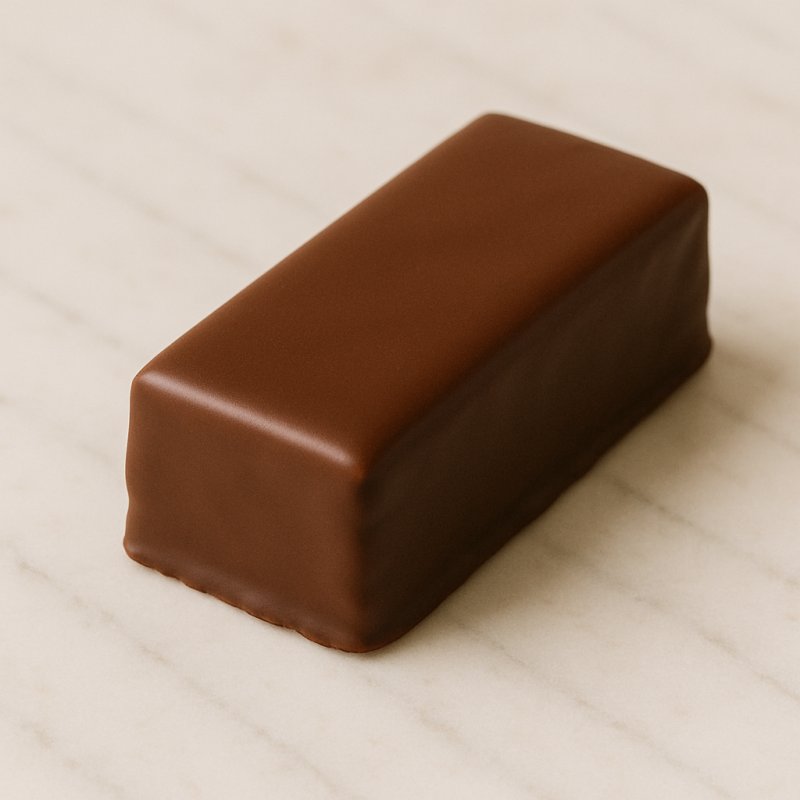
Nougat bar

Sweet chocolate bar with nougat filling

Wiki about nougat bar Nutri-Score E Vegan No Gluten-free No Lactose-free No Nut-free No
NUTRITION / 100 g
520 kcal 7 g Protein 55 g Kohlenhydrate 30 g Fett

Introduction

A nougat bar coated in chocolate with nougat filling
The first time I bit into a nougat bar it was a sober morning on my way to work and I had nothing with me but a small lunchbox and a fair amount of tiredness. The first bite felt like a secret short holiday: creamy, nutty and so gentle that I paused briefly to register the texture. Since then I have developed a special relationship with this unassuming yet refined ingredient.

Nougat bars are usually made from sugar, honey or syrup, finely crushed nuts — often almonds or hazelnuts — and egg white or sometimes caramel for binding. This combination yields a firm yet yielding consistency that releases little worlds of flavor when chewed: first the sweetness, then the roasted notes of the nuts and finally a soft, slightly buttery finish. A colleague of mine once said a good nougat bar is like a miniature orchestra in the mouth — and I have to agree.

What fascinates me repeatedly is the versatility. I have enjoyed nougat bars plain, dipped in chocolate, folded into cakes and even finely diced over salads to create contrasts. Especially in combination with dark chocolate or sea salt nougat blossoms and shows that it is by no means only for those with a sweet tooth. I remember one Sunday when I was experimenting with friends and a pinch of sea salt turned the bar into something sublime.

Making them at home does not require many ingredients, but it does take some patience when stirring and tempering if you include chocolate. You learn how important nut quality is; freshly roasted they release the typical aromas that define the nougat bar. I have often adapted my recipes depending on whether I wanted a nuttier or a sweeter character.

  • Taste: nutty, sweet, lightly caramelized
  • Texture: firm, chewy-creamy
  • Use: snack, baking ingredient, contrast in savory dishes
A nougat bar for me is more than just a sweet treat; it is a small culinary memento that comes in many variations, brings pleasure and always offers new discoveries.

Availability & types

Availability and types

A nougat bar is a sweet snack available in many countries. It generally consists of a soft, nutty mass called nougat, often combined with chocolate, nuts or pieces of fruit. Nougat bars are sold in supermarkets, petrol stations, kiosks and bakeries. You can buy them prepackaged, or sometimes fresh from confectioneries. In some countries certain brands are particularly popular, so a wider selection is found there.

Origin
Nougat has a long history: the word originally comes from French and Latin and the idea of mixing sugar with nuts arose in many cultures. There are two main traditions:

  • White nougat (Torrone, Nougat blanc): Comes from countries like Italy, Spain and France. Here egg white and honey or sugar are often used, producing a very firm yet chewy mass. It is commonly found at holidays or as a specialty.
  • Brown nougat (Gianduja, marzipan-like): In regions with a lot of chocolate production, such as Switzerland or Germany, nougat is often mixed with chocolate or cocoa butter. The result is creamier and more chocolatey, as seen in many commercial bars.
Growing regions and ingredients
Nougat bars themselves do not grow on trees, but the main ingredients come from certain regions:

  • Nuts: Hazelnuts, almonds or pistachios are frequently used. Hazelnuts grow extensively in countries such as Turkey, Italy and Spain. Almonds often come from Spain or California.
  • Honey and sugar: Sugar is produced worldwide, honey often comes from local beekeepers. In some traditional nougat types honey is important for the flavor.
  • Chocolate: The cocoa beans for chocolate usually come from tropical countries such as the Ivory Coast, Ghana or Indonesia. Those beans are processed into chocolate which is then used in nougat bars.
Available varieties and variants
There are many different kinds of nougat bars to suit various tastes. Some typical variants include:

  • Crispy nougat bar: Nougat with whole or chopped nuts that crack when bitten. It is like a biscuit inside a bar.
  • Creamy nougat bar: Soft, melting nougat often mixed with chocolate – ideal if you prefer a creamier texture.
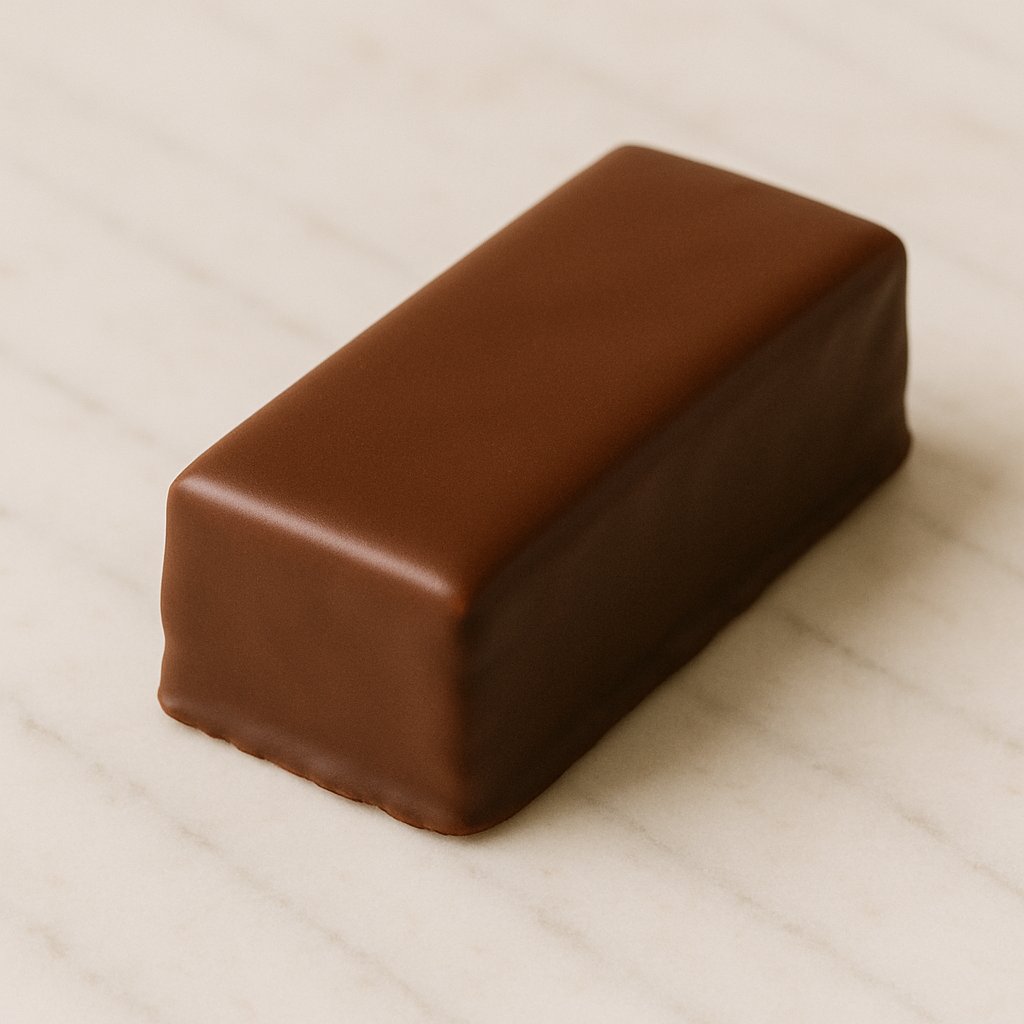
  • Chocolate-coated nougat bar: Nougat core covered in chocolate. This is a very common form in supermarkets.
  • Vegan or reduced-sugar variants: For people who do not eat dairy or want less sugar, there are bars made with plant-based milks or alternative sweeteners.
  • Regional specialties: Sometimes there are country-specific versions, for example with almonds in Spain or with extra hazelnut flavor in Italy.
Tips for choosing
If you want to buy a nougat bar, check the ingredient list: some bars are very nutty, others are sweeter and more chocolatey. If you like nuts, choose one with whole nut pieces; if you prefer a softer consistency, pick a creamy variety. Also watch for labels like without artificial colors or reduced sugar if those matter to you.

In summary: nougat bars are available almost everywhere, come from different traditions and are made from ingredients originating in particular regions of the world. There are many varieties from crunchy to creamy, and there is a suitable option for nearly every taste.
Details & nutrition

Property Value
Unit g
Average weight per piece 40
Calories per 100 520
Protein per 100 7
Carbohydrates per 100 55
Sugar per 100 48
Fat per 100 30
Saturated fat per 100 12
Monounsaturated fat 13
Polyunsaturated fat 3
Fiber per 100 3
Vitamin C (mg) per 100 0
Vitamin D (IU) per 100 0
Calcium (mg) per 100 80
Iron (mg) per 100 2
Nutri-Score E
CO₂ footprint 4.5
Origin Industrial confectionery product; ingredients typically originate from various countries
Gluten-free No
Lactose-free No
Nut-free No
Vegan No
Note Average values for a typical nougat bar coated in chocolate; exact nutritional values may vary depending on brand and recipe.

Technical & scientific information

Nougat bars are packaged confectionery products made on the basis of nougat and characterized by a firm but easily melting texture as well as a high energy content. The term nougat covers various formulations; for bars two types are particularly relevant: hazelnut- or nut nougat (also referred to as gianduja) and white or torrone-type nougat (based on honey and egg white). Industrial nougat bars often combine these nougat masses with additional ingredients such as cocoa mass, milk powder, caramel, nuts or a chocolate coating layer to vary flavor, texture and shelf life.

Chemical composition and ingredients
The basic components of classic nut nougat are vegetable fats (predominantly from nuts and optionally cocoa butter), sugars (sucrose, glucose/invert sugar), ground nuts (hazelnuts, almonds), milk components (whole milk powder or condensed milk in milk nougat) and emulsifiers such as soy lecithin. White nougat variants contain, instead of cocoa mass, a higher fraction of sugar and honey as well as egg white (whipped egg white or isolate) and nuts. On a molecular level nougat masses consist of a complex emulsion system: sugars and solids form the continuous solid network while fats are finely dispersed. Water content in bars is generally low (typical <2–5 %), to ensure microbiological stability.

Nutritional values
Nougat bars are energy-dense foods. A typical 50 g portion provides about 250–300 kcal, depending on formulation and coating. The macronutrient composition is approximately:

  • Fat: 25–40 % of the mass composition, including saturated fatty acids from milk fat or cocoa butter and monounsaturated fatty acids from nuts.
  • Carbohydrates: 40–60 %, mainly sucrose and glucose, with a small fiber fraction from nuts.
  • Protein: 3–10 %, mainly from nuts and milk components.
  • Water: usually very low, which supports shelf life.
Processing methods
Industrial manufacturing includes several steps: roasting and grinding the nuts to form a nut paste, heating and inverting the sugar components to prevent crystallization, emulsifying the fat phase with lecithins, and refining or conching to improve texture and aroma release. For bars the nougat mass is mixed with additional components such as caramel or crispy inclusions, portioned and usually sealed by coating with tempered chocolate. Temperature sensitivity is a central processing factor; controlled mixing and tempering prevent fat bloom and enhance mouthfeel.

Sensory and physical properties
The texture of nougat bars arises from the particle size of the nuts, the fat content and the crystallization state of the fats. Fine grinding and homogeneous fat distribution lead to a creamy melt, coarser particles create bite. The glass transition temperature of the solid matrix and the melting profile of the fats determine at which temperatures the bar softens or melts.

Health aspects
From a nutritional perspective nougat bars provide quickly available energy and fatty acids, including beneficial monounsaturated fatty acids from nuts. However, they also contain high amounts of sugar and saturated fats, so regular consumption in large amounts may be unfavorable for weight control and cardiovascular risk factors. Allergens are relevant: hazelnut, almonds, milk, soy and occasionally eggs must be declared. Hygienic-technical risks are low at low water content, but incorrect storage conditions (heat, moisture) can impair texture and aroma and allow microbial contamination in certain inclusions.

Quality and storage requirements
To secure product quality store under cool, dry conditions (ideally 15–20 °C, relative humidity <65 %) and protect from light. Packaging with barrier properties against moisture and oxygen reduces fat oxidation and aroma loss. Shelf life testing monitors fat oxidation (peroxide value, Rancimat), texture changes and microbiological stability.

In food technology nougat bars remain a versatile product segment allowing formulation and process optimizations to achieve targets for flavor, texture, nutritional profile and shelf life while complying with regulatory labeling requirements and consumer preferences regarding ingredients and allergens.

Wiki entry for: nougat bar
Active now: 20 visitors of which 2 logged-in members in the last 5 minutes