Menu & categories

Pasta

Dried durum wheat pasta as a versatile source of carbohydrates

Wiki about noodle Nutri-Score C Vegan Yes Gluten-free No Lactose-free Yes Nut-free Yes
NUTRITION / 100 g
350 kcal 12 g Protein 72 g Kohlenhydrate 1.5 g Fett

Introduction

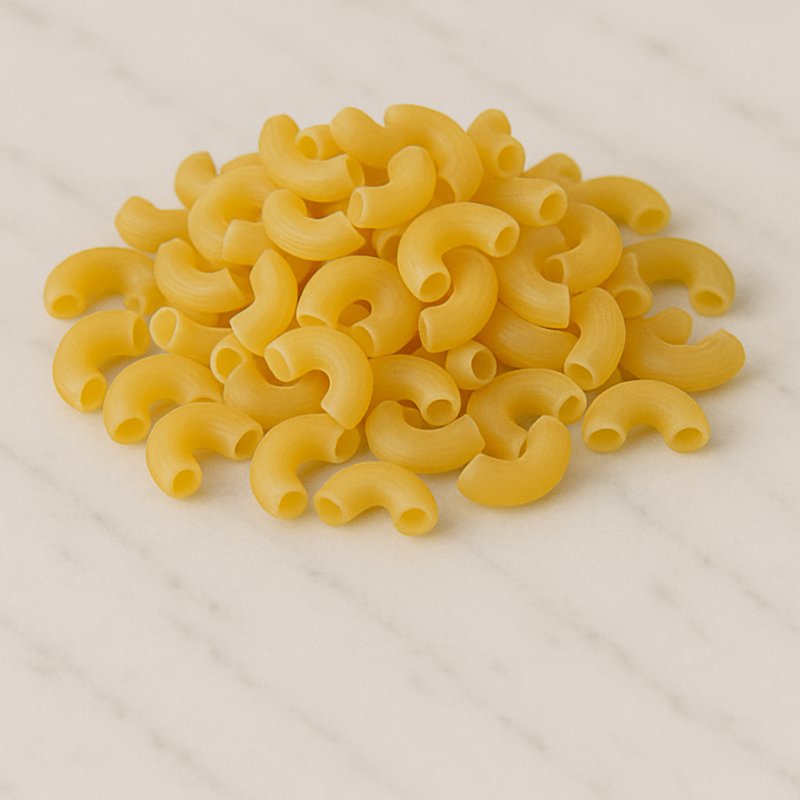
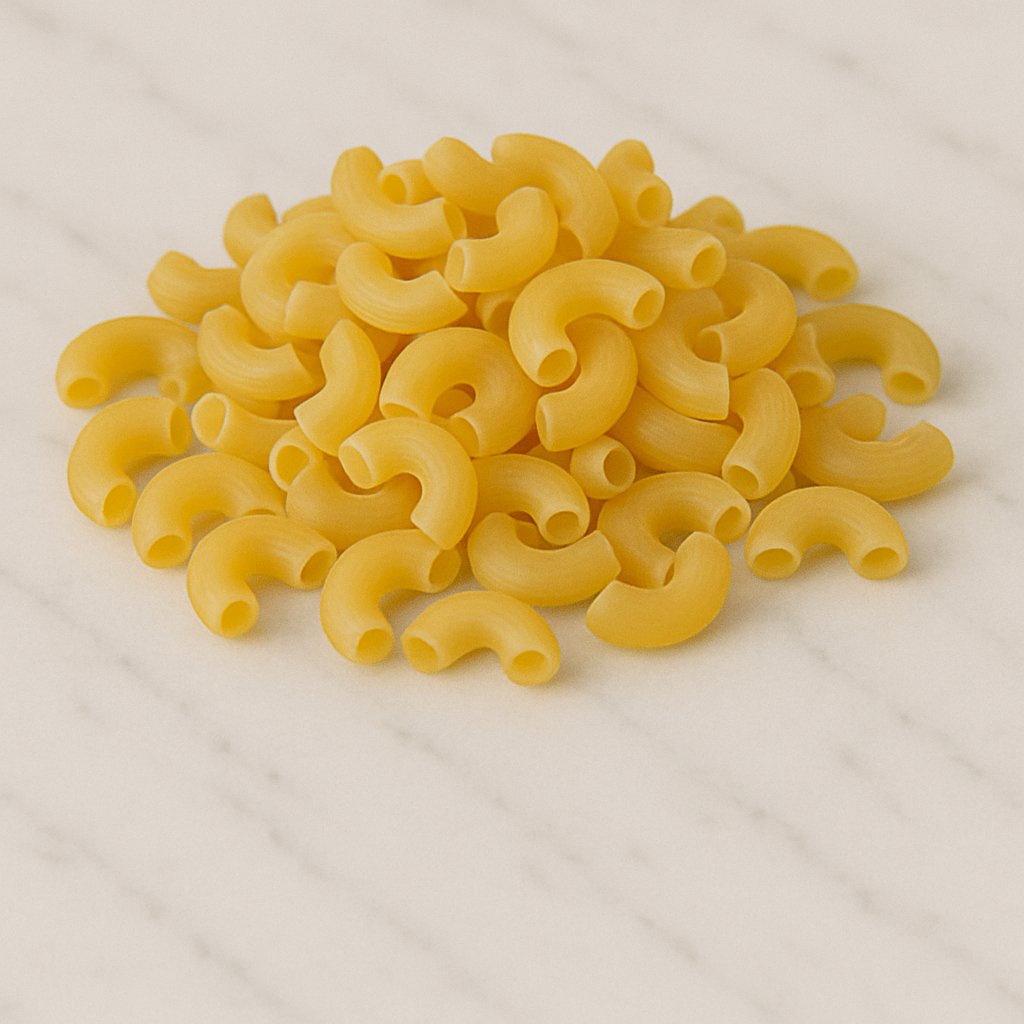
Raw dry pasta made from durum wheat semolina
I have a secret weakness for pasta, and I mean it seriously: for me it is more than just a side dish, it is a comforting companion on rainy evenings and a reliable star during spontaneous cooking sessions. Pasta is so adaptable that it repeatedly takes on new roles in my daily life — from a quick lunch break to an elaborate Sunday dish. I still remember an evening when a broken washing machine and an empty refrigerator forced me into an improvised pasta bliss; with only canned tomatoes, garlic and olive oil, one of the best meals I ever made in no time was created.

When I think of pasta, several traits that make it so popular immediately come to mind:

  • Variety: From thin spaghetti to hearty pappardelle to small tubetti — each shape has its own purpose and its own fun in preparation.
  • Accessibility: Pasta can be found in nearly every pantry and can be turned into something special with a few ingredients.
  • Culture: It carries traditions and regional recipes across generations. A friend from another city once told me that his grandmother chose every pasta shape according to the occasion — a custom he still maintains today.
I like experimenting with dough and shapes, but I also appreciate the simplicity of a well-made pasta alla Carbonara, when everything comes together at the right moment: pecorino, egg yolks, hot pasta water and the perfect consistency. It is important to me not to overwhelm the texture; a sauce should complement, not bury. A colleague once taught me that "al dente" is not only tradition, but also the ability of a pasta to hold sauce while retaining a bite.

I have picked up practical tips over the years and enjoy passing them on: salt the cooking water generously, stir early enough, and always save some cooking water to bind sauces. For me, cooking pasta is not a strict science, but a bit of alchemy and a lot of intuition. Whether made from durum semolina, wholegrain or rice — each variant tells its own story and has its special role at the table.

At the end of the day, pasta for me is a piece of everyday life that can also be celebratory. It brings people together, awakens memories and offers room for creativity. When I serve a bowl of steaming pasta, I am pleased not only by the taste but also by the quiet, satisfied faces at the table. Pasta is for me a small culinary wonder, simple yet profound, and that is exactly why it always remains a favorite recipe in my repertoire.

Availability & types

Availability and types of pasta

Pasta is popular in many countries and is available almost everywhere. It originally comes from Asia, especially China, but over the centuries it has spread to many regions of the world. Today pasta is sold in supermarkets, small grocery stores, markets and specialty delicatessens. You can buy it dried in packages, find it fresh in the refrigerated counter or frozen in the freezer section. In many cities there are also pasta houses or mills that produce their own fresh pasta.

Origin and growing regions

Pasta itself does not grow on trees — it is made from cereals. The most common base ingredient is wheat, particularly durum wheat, which provides a lot of starch and a special flour called durum semolina. Durum wheat is grown in warm and dry regions, for example in parts of Europe, North America and countries around the Mediterranean. Where the climate is relatively dry and sunny, this wheat ripens well and is then processed into pasta.

Besides wheat, other plants are also used: rice is the basis for rice noodles and is grown mainly in Asia; corn is cultivated in many countries and yields corn pasta; and buckwheat (which despite its name is not wheat) is used for special pastas like soba in Japan. Thus ingredients are found in many different growing areas depending on the desired pasta type.

Available types and variants

  • Dried pasta: These have long shelf life and come in many shapes like spaghetti, penne, fusilli or lasagna sheets. They are practical because they can be stored for a long time.
  • Fresh pasta: These are usually made from eggs and wheat flour and are soft and delicate. You find them in the refrigerated section or fresh at the market. They cook faster but do not keep as long as dried pasta.
  • Rice and glass noodles: Rice noodles are thin and often found in Asian dishes. Glass noodles are transparent because they are made from starch of mung beans or potatoes.
  • Wholegrain pasta: Flour milled from the whole grain contains more fiber and nutrients. They look darker and are somewhat firmer in bite.
  • Gluten-free pasta: For people who cannot tolerate gluten there are pastas made from rice, corn, chickpeas or lentils. These are nutritious and offer an alternative to wheat pasta.
  • Egg pasta: Eggs are added to the dough, making the pasta richer. Many fresh pasta varieties contain eggs.
  • Specialty pasta: This includes colored or flavored pastas, like spinach pasta (green) or tomato pasta (red), which are colored with vegetable powders and lightly flavored.
How to choose the right pasta?

The choice often depends on what you want to cook. For a tomato sauce long pastas like spaghetti work well because they pick up the sauce nicely. For thick sauces or oven dishes short, shaped pastas like penne or rigatoni are practical because the sauce gets into the ridges. Rice and glass noodles are ideal for Asian stir-fries or soups.

In summary: pasta is available worldwide and is made from various cereals or legumes. There are dried and fresh variants, regular wheat pastas as well as gluten-free and colorful specialty types. Depending on taste, health and the desired dish almost anyone can find the right type of pasta, and many varieties are easy to obtain in supermarkets everywhere.
Details & nutrition

Property Value
Unit g
Calories per 100 350
Protein per 100 12
Carbohydrates per 100 72
Sugar per 100 3
Fat per 100 1.5
Saturated fat per 100 0.3
Monounsaturated fat 0.2
Polyunsaturated fat 0.6
Fiber per 100 3
Vitamin C (mg) per 100 0
Vitamin D (IU) per 100 0
Calcium (mg) per 100 20
Iron (mg) per 100 1.3
Nutri-Score C
CO₂ footprint 1.0
Origin Europe
Gluten-free No
Lactose-free Yes
Nut-free Yes
Vegan Yes
Note Nutritional values refer to dry durum wheat pasta without egg.

Technical & scientific information

Pasta is a versatile food made from starchy flours, found worldwide in numerous forms and recipes. Classically, pasta consists of a dough of durum semolina and water; fresh variants often include chicken egg. Industrially produced and handmade pastas differ in texture and water content, with durum wheat pastas being particularly suited to drying due to their high protein content and robust crumb structure.

Chemical composition and constituents
The main components of pasta are carbohydrates in the form of starch (approx. 60–75% in dried durum pasta), proteins (primarily gluten proteins such as gliadin and glutenin, 8–14%) and smaller amounts of fats (1–3%) as well as water. Minerals like potassium, phosphorus and magnesium and B-vitamins (particularly thiamine, niacin and folate) are more concentrated in wholegrain variants. The glycemic index varies with type, processing and cooking time; fresh egg pasta and wholegrain products tend to show lower values than highly refined, finely milled products.

Manufacturing and processing methods
Production is divided into seven basic steps: flour and water addition, kneading to develop the gluten network, rolling or extruding to form shapes, cutting, drying, packaging and optionally precooking. During extrusion the dough is pressed through dies under pressure, creating characteristic profiles. Drying is crucial for shelf life and quality; slow, controlled drying cycles at moderate temperatures preserve elasticity and prevent cracking, while fast high-temperature methods can lead to a stronger Maillard reaction on the surface and change cooking properties.

Nutritional value and dietary aspects
Pasta is a concentrated source of energy. A typical portion of dried durum pasta (100 g) provides about 350–370 kcal, 12 g protein, 70–75 g carbohydrates and 2–4 g fat. Wholegrain pasta additionally offers 6–10 g fiber per 100 g and improves satiety and metabolic response. Protein-rich legume-based variants (e.g., lentil, chickpea or pea pastas) are common as gluten-free and protein-enriched alternatives.

Health aspects
For people with celiac disease traditional durum pasta is unsuitable because it contains gluten. Gluten-free pastas made from corn, rice, buckwheat or legumes are alternative options, but they exhibit different cooking and sensory properties. Health effects depend on portion size, accompanying ingredients and overall dietary pattern; a frequent criticism concerns high calorie amounts per portion combined with fat-rich sauces. On the other hand, wholegrain and protein-enriched products can have positive effects on blood sugar regulation and satiety.

Physical and technological properties
The cooking behavior of pasta is determined by water uptake capacity, starch swelling behavior and stability of the gluten network. Al dente cooked pasta retains part of the crystalline amylose structure, which favors both texture and slower digestion. During heating the starch gelatinizes; exceeding critical temperatures and times leads to increased molecular mobility, greater pasting and loss of texture.

Sensory and culinary variants
Pasta exists in shapes from thin threads to wide ribbons, tubes or filled varieties. Sensory differences arise from flour types, water content, egg addition and manufacturing methods. Full control over flour particle size, dough consistency and drying profile enables targeted production of textures for specific dishes.

Overall, pasta represents a technically well-researched food whose nutritional properties can be purposefully modulated by raw material selection and processing. The choice between wholegrain, gluten-free or protein-rich variants allows adjustments for health needs and culinary preferences, while the physical chemistry of starch and protein determines functional properties during cooking and further processing.

Wiki entry for: noodle
Active now: 20 visitors of which 2 logged-in members in the last 5 minutes