Menu & categories

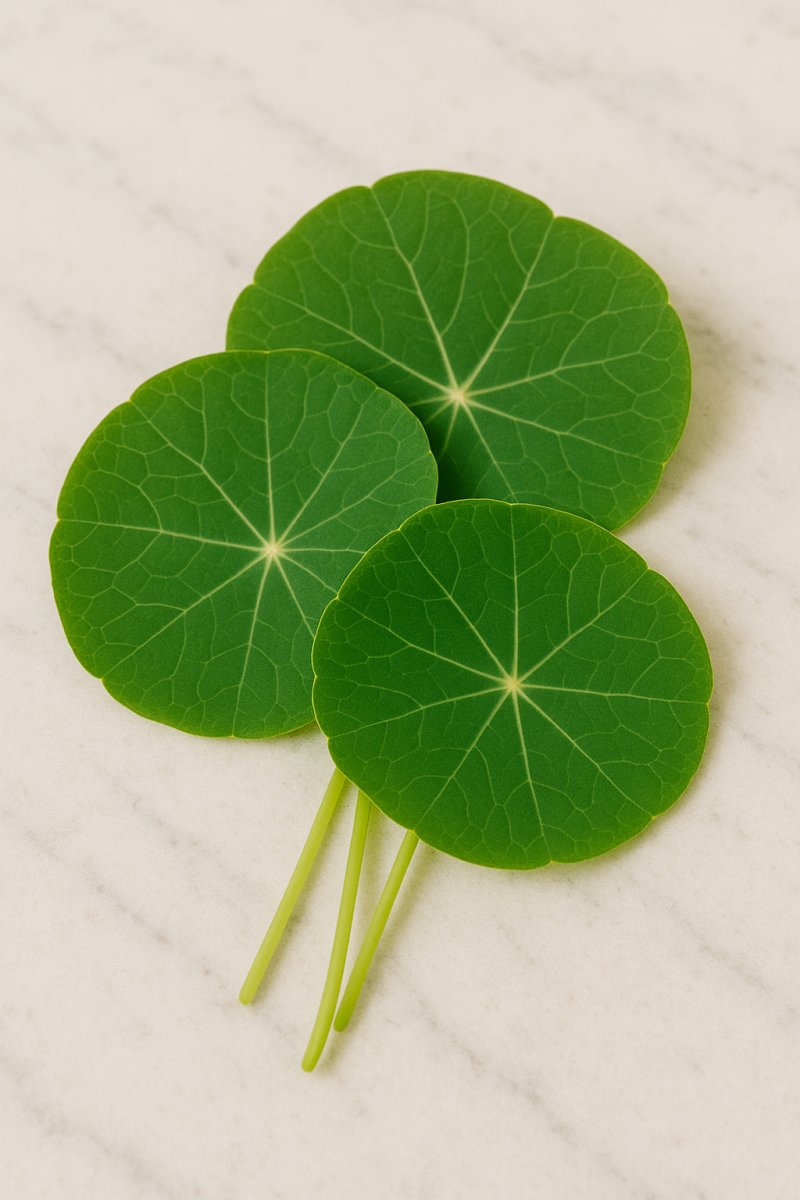
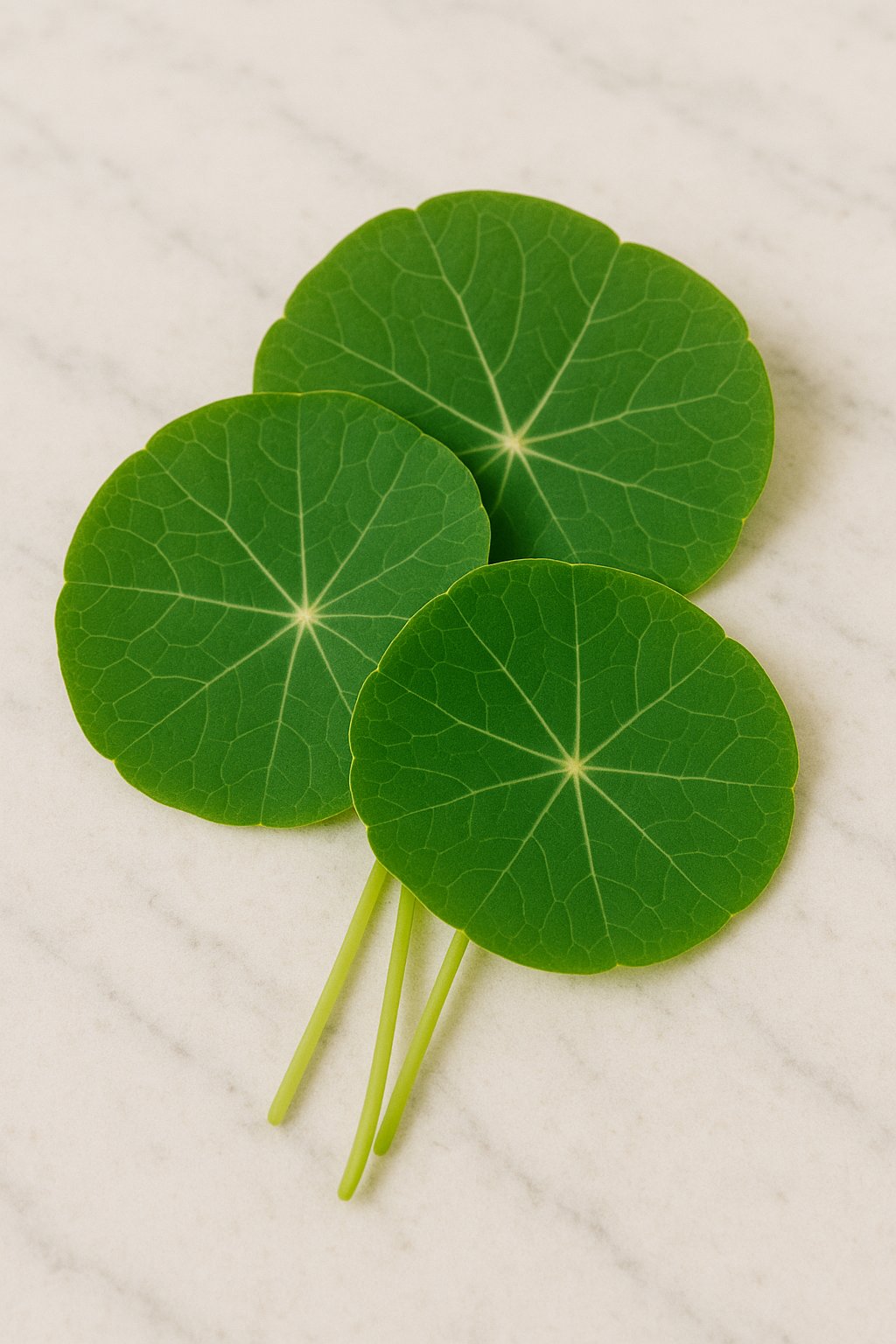
Nasturtium leaves

Fresh leaves with a peppery aroma

Wiki about nasturtium leaf Nutri-Score A Vegan Yes Gluten-free Yes Lactose-free Yes Nut-free Yes
NUTRITION / 100 g
32 kcal 2.1 g Protein 6 g Kohlenhydrate 0.4 g Fett

Introduction

Fresh nasturtium leaves
I still clearly remember the summer when I first discovered nasturtium leaves. My neighbor's garden was a true sea of color, and among all the bright flowers and fragrant herbs these vivid green leaves stood out. Curious as I was, I asked her about the plant. «Those are nasturtium leaves», she explained, «and they are not only pretty to look at but also delicious!»

Nasturtium is not only an eye-catcher in any garden but also a versatile ingredient that I enjoy using in my kitchen again and again. The leaves have a slightly sharp, peppery taste that gives salads and other dishes a special note. I remember a barbecue where I made a fresh salad dressing with chopped nasturtium leaves. When I served it, the guests were delighted: «What's this secret ingredient?», they asked. «Nasturtium», I replied with a wide grin, and I was the hero of the evening.

The uses are truly varied. Here are some of my favorite ideas:

  • Salads: The leaves pair wonderfully with green salads or as a topping for a fruity fruit salad.
  • Dips: Chopped nasturtium leaves give dips like hummus an exciting spiciness.
  • Soups: Added fresh to soup, they release their full aroma and make any soup a taste experience.
  • Sandwiches: Simply place some leaves between slices of bread, and you have a sophisticated sandwich.
A colleague of mine even created a pesto with nasturtium leaves. It was a successful alternative to classic basil pesto and blew us all away. The sharpness of the leaves harmonized perfectly with the nuts and the cheese. I can tell you, the recipe is now a staple of our office lunches.

The best thing about nasturtium, however, is that it's not only tasty but also full of nutrients. It contains vitamin C, antioxidants and can even strengthen the immune system. Who would have thought that such a simple plant could do so much good for our bodies?

So next time you stroll through the garden or are at the market, keep an eye out for nasturtium leaves. They are not only a wonderful addition to your dishes but also bring a playful touch to your kitchen. I can assure you that you'll love them, just like I do!

Availability & types

Nasturtium leaves are not only a tasty ingredient for many dishes but also a plant with an interesting history and various types. These leaves come from the nasturtium, originally from South America. The plant belongs to the family of edible flowers and is known for its colorful blooms and its sharp, peppery taste.

Nasturtium grows in many parts of the world and is cultivated in different climates. It is particularly popular in Europe, and many garden enthusiasts plant it in their gardens. Germany, France and Italy are some of the countries where nasturtium is commonly found. The plant grows best in sunny locations where it receives enough light and warmth. It can be grown both in the garden and in pots on a balcony or terrace.

When we talk about the availability of nasturtium leaves, we can say that they are available in most supermarkets during the spring and summer months. At these times the plant is in full bloom and the leaves are fresh and crisp. In some supermarkets they are even available year-round, often as fresh herbs or as part of salad mixes. If you don't find them in your favorite store, you can also order them online or simply grow them yourself!

There are different varieties of nasturtium that differ in appearance and taste. Here are some of the best known:

  • Alaska: This variety has colorful leaves and is particularly easy to care for. It is ideal for growing in the garden or in pots.
  • Empress of India: This variety has dark green leaves and bright red flowers. It has a strong flavor and looks beautiful in any dish.
  • Jewel Mixed: This mix contains various colors and provides a colorful display in the garden. It has a mild, pleasant taste.
In addition to these varieties there are also different types of nasturtium that vary in their uses. Some people use the leaves as a salad addition, while others add them to soups or use them as a garnish for dishes. Nasturtium flowers are also edible and look great on a plate. They can add nice color and an interesting flavor.

Another important point is that nasturtium is not only tasty but also healthy. It contains many vitamins, including vitamin C, and can strengthen the immune system. This makes it a great addition to a healthy diet.

In summary, nasturtium leaves are a versatile and interesting ingredient. They originate from South America but are now grown in many parts of the world and are especially easy to find in the warm months. With different varieties and uses they are a delightful addition in the kitchen. Whether you use them in a salad, as a soup accompaniment or simply as a tasty decoration, nasturtium brings color and flavor to the plate
Details & nutrition

Property Value
Unit g
Calories per 100 32
Protein per 100 2.1
Carbohydrates per 100 6
Sugar per 100 1.5
Fat per 100 0.4
Saturated fat per 100 0.1
Monounsaturated fat 0.1
Polyunsaturated fat 0.2
Fiber per 100 1.3
Vitamin C (mg) per 100 140
Vitamin D (IU) per 100 0
Calcium (mg) per 100 81
Iron (mg) per 100 0.5
Nutri-Score A
CO₂ footprint 0.1
Origin Europe
Gluten-free Yes
Lactose-free Yes
Nut-free Yes
Vegan Yes
Note Ideal for salads and as a garnish.

Technical & scientific information

Nasturtium leaves (Tropaeolum majus) are the leaves of the plant of the same name, which belongs to the nasturtium family. This plant is especially known for its bright flowers and its sharp, peppery taste. Originally native to South America, it is now cultivated worldwide in gardens and as a crop. Both the leaves and the flowers are edible and are used in cooking as well as in traditional medicine.

Chemical composition and constituents

Nasturtium leaves contain a variety of biologically active compounds that may be responsible for their health benefits. The most important constituents include:

  • Glucosinolates: These sulfur-containing compounds are responsible for the pungent taste and have antioxidant properties.
  • Vitamins: The leaves are rich in vitamin C, which plays an important role in the immune system, as well as B vitamins, which are necessary for the body's energy metabolism.
  • Minerals: Nasturtium leaves contain calcium, iron, magnesium and potassium, which are essential for various bodily functions.
  • Flavonoids: These secondary plant compounds act as antioxidants and may help combat inflammation.
Nutritional values

The nutritional values of nasturtium leaves are notable, especially compared to other leafy greens. Per 100 grams they contain approximately:

  • Calories: 35 kcal
  • Protein: 2.9 g
  • Fat: 0.4 g
  • Carbohydrates: 6.6 g
  • Fiber: 1.5 g
This nutrient composition makes nasturtium an excellent choice for health-conscious people looking to enrich their diet.

Processing methods

Nasturtium leaves can be used in various ways in the kitchen. They are excellent as a fresh ingredient in salads, where they add a peppery note. The leaves can also be added to smoothies, soups or used as a sandwich addition. Another popular preparation is nasturtium pesto, made by adding nuts and oil.

Health aspects

The health benefits of nasturtium leaves are manifold. Their anti-inflammatory and antioxidant properties can contribute to overall well-being. They are also believed to strengthen the immune system and aid digestion. In traditional medicine they are used to treat respiratory conditions due to their expectorant properties.

Particularities and cultivation

Nasturtium is an easy-to-grow plant that can be cultivated both in the garden and in pots. It requires a sunny location and well-drained soil. The plant is relatively resistant to pests and diseases.

Wiki entry for: nasturtium leaf
Active now: 17 visitors of which 2 logged-in members in the last 5 minutes