Availability and types
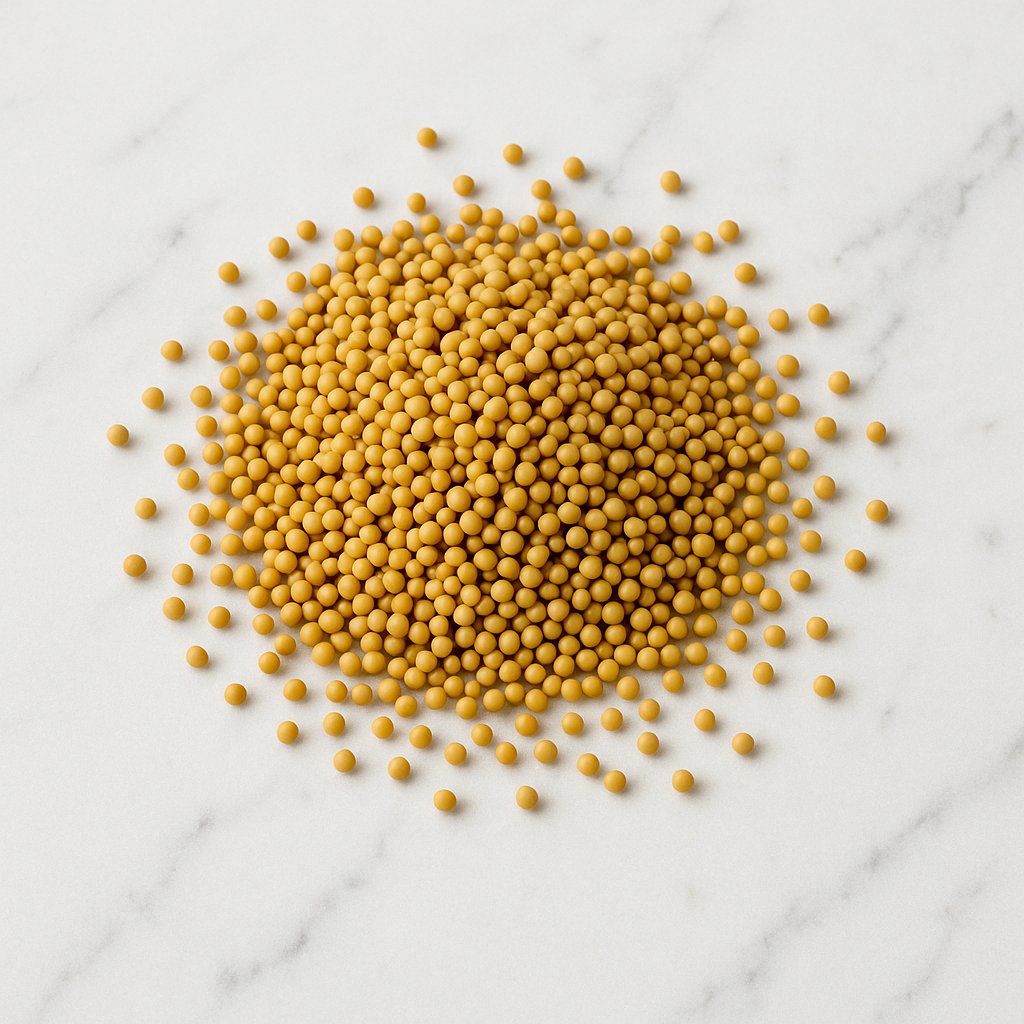
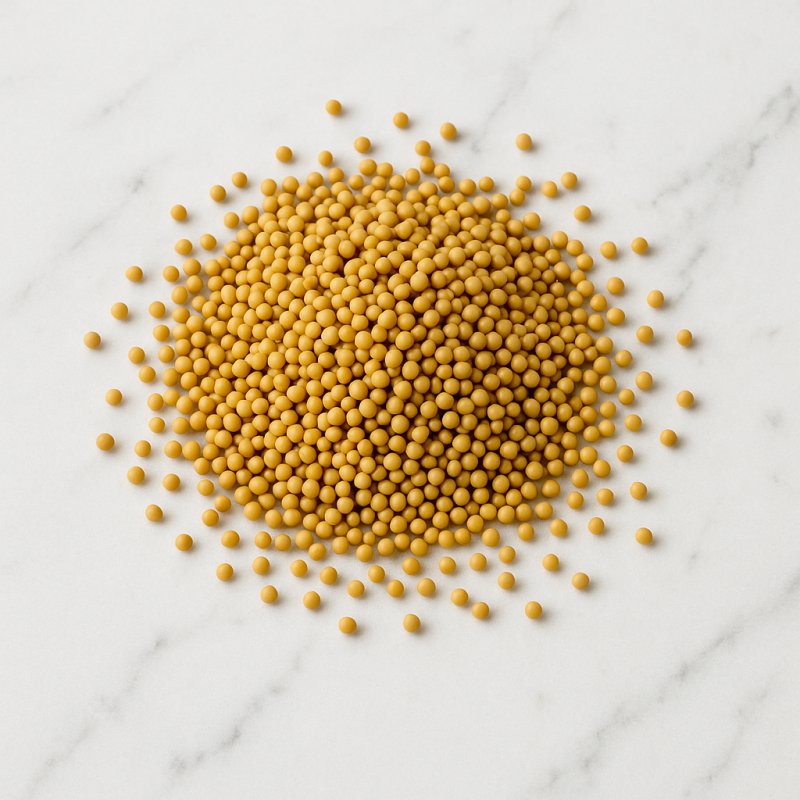
Mustard seeds are small, hard seeds that are very popular in cooking and seasoning. They are generally easy to find and available in many forms. If you imagine mustard seeds, they are a bit like tiny yellow or black marbles – only edible! Here we explain where mustard seeds come from, in which regions they are grown, which varieties exist and how you can find them in stores.
Origin
Mustard grows on plants belonging to the mustard family (Brassicaceae) – the same large family as cabbage and rapeseed. After flowering the plants form pods that contain the mustard seeds. Mustard was used centuries ago in Asia and Europe. Today mustard seeds come from various countries because the climate and soils in many regions are suitable for cultivation.
Mustard grows on plants belonging to the mustard family (Brassicaceae) – the same large family as cabbage and rapeseed. After flowering the plants form pods that contain the mustard seeds. Mustard was used centuries ago in Asia and Europe. Today mustard seeds come from various countries because the climate and soils in many regions are suitable for cultivation.
Growing regions
Mustard grows in areas with a temperate climate, neither too hot nor too cold. Major growing regions include:
Mustard grows in areas with a temperate climate, neither too hot nor too cold. Major growing regions include:
- India – one of the most important countries for mustard. Black and brown seeds are particularly common there.
- Canada – has large fields of yellow mustard, often called 'white' mustard. Canada exports a lot of mustard seed to other countries.
- Europe – countries like France, Germany and the UK also grow mustard, generally in smaller quantities. France often produces special mustard varieties.
- USA – mustard is also grown there, especially yellow types for the food industry.
Available varieties and forms
There are several types of mustard seeds – the three main ones are yellow (sometimes called 'white'), brown and black mustard seeds. Each type looks different and has a slightly different taste:
There are several types of mustard seeds – the three main ones are yellow (sometimes called 'white'), brown and black mustard seeds. Each type looks different and has a slightly different taste:
- Yellow mustard seeds – are pale yellow to cream colored. They taste mild and are commonly found in supermarkets. They are used to make the classic yellow table mustard that many people like on hot dogs.
- Brown mustard seeds – are a bit sharper than yellow seeds. They are widely used in India for curries and chutneys. The flavor is spicier, almost like a small surprise of heat when you bite into one.
- Black mustard seeds – are the spiciest and are frequently used in Indian cuisine. They have a strong pungency that becomes crisp when heated and releases an intense aroma.
You can also find mustard in different forms:
- Whole seed – whole seeds can be used for seasoning or infused in oil. They keep a long time and release flavor during cooking.
- Ground – as mustard powder or mustard flour. The powder is convenient if you want to make mustard yourself or blend into recipes.
- Prepared mustard – the ready-to-use product sold in jars or tubes. It contains mustard seed or mustard powder plus vinegar, water and spices.
- Pickled seeds – sometimes seeds are found already pickled in vinegar; these are soft and have a mild flavor, ideal as a topping or in salads.
Where to find mustard seeds
You can buy mustard seeds in supermarkets, health-food stores, Asian shops and spice stores. Yellow seeds and prepared mustard are usually easiest to find in supermarkets. In specialty shops you can also discover rarer types like black mustard seeds or finely ground mustard flour. Check the best-before date when buying – whole seeds last a long time if stored dry and in the dark.
You can buy mustard seeds in supermarkets, health-food stores, Asian shops and spice stores. Yellow seeds and prepared mustard are usually easiest to find in supermarkets. In specialty shops you can also discover rarer types like black mustard seeds or finely ground mustard flour. Check the best-before date when buying – whole seeds last a long time if stored dry and in the dark.
In summary: mustard seeds come from various parts of the world, especially India, Canada and Europe. There are yellow, brown and black seeds as well as whole seeds, powders and prepared mustard. Those who experiment with different varieties quickly notice how much mustard can vary from mild to spicy – almost like different grape varieties that can be sweet or slightly tart.