Menu & categories

Wheat mixed bread

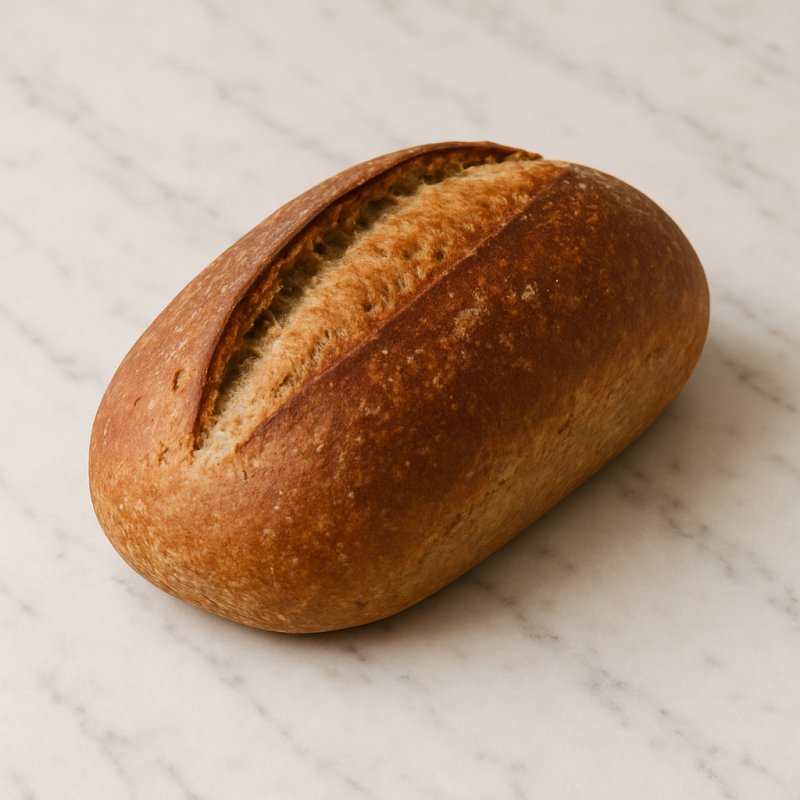
Classic mixed bread made from wheat and rye flour

Wiki about mixed wheat loaf Nutri-Score C Vegan Yes Gluten-free No Lactose-free Yes Nut-free Yes
NUTRITION / 100 g
240 kcal 8.0 g Protein 46.0 g Kohlenhydrate 1.5 g Fett

Introduction

Slices of wheat mixed bread on a wooden board
I still clearly remember the scent that wafted from my neighbor's bakery on a rainy November morning: warm, malty and comforting. It wasn't a baguette nor a rustic sourdough, but a freshly sliced wheat mixed bread, whose crumb was tender and at the same time substantial. Since then I've developed a fondness for this unspectacular but versatile ingredient that forms the basis of meals in many European kitchens every day.

Wheat mixed bread brings together the best of both worlds: the fineness of wheat flour and the deeper flavor structure of darker flours like rye or spelt. This combination provides a pleasant balance between softness and chew. You can enjoy it plain, with butter and salt, or artfully topped — I especially like it with goat cheese and honey, because the gentle sweetness nicely complements the light acidity of the darker flours.

Besides the taste, I value the practical advantages. Wheat mixed bread often stays fresher longer than pure wheat bread and is excellent for toasting, reheating or freezing. A colleague of mine swears by always keeping half a loaf in the freezer to build spontaneous sandwiches for train journeys or picnics. It is sturdy enough for savory toppings and still delicate enough for fine spreads.

Important to know:

  • Variability: The proportion of wheat and other grains varies, which affects texture and flavor.
  • Health: Mixed flours increase nutritional value, especially fiber and minerals.
  • Preparation: It is suitable for straight doughs, sourdough blends and various baking techniques.
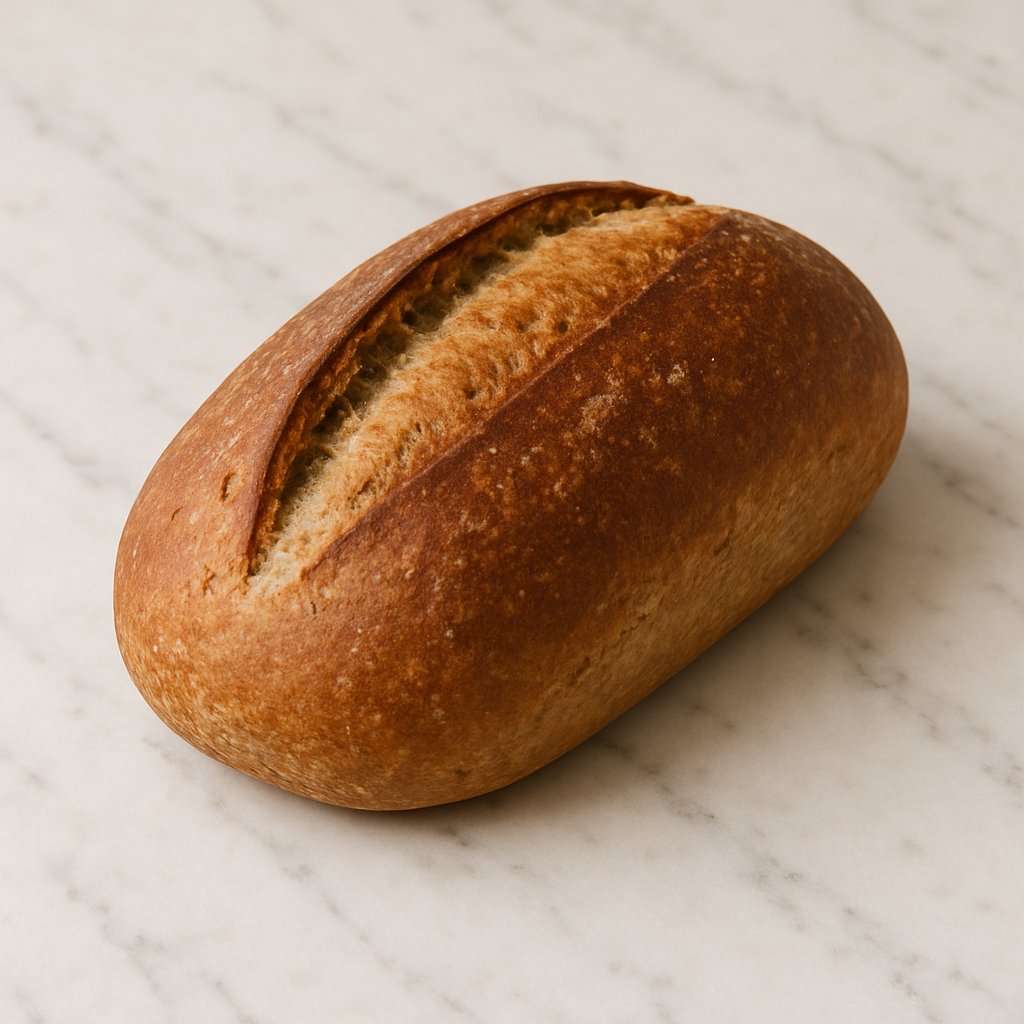
For me wheat mixed bread is more than just an ingredient; it is a small culinary bridge between everyday life and enjoyment. On my next visit to the bakery I first look for the golden-brown loaf with the soft crumb — often the smell already reveals whether a bread was baked with love. And when I try a new recipe, my search usually starts exactly there: with the familiar, versatile wheat mixed bread.

Availability & types

Availability and types of wheat mixed bread

Wheat mixed bread is an everyday bread you can find in many bakeries and supermarkets. It consists mostly of wheat, often mixed with some rye or other grains. The mixture makes the bread juicier and gives it a pleasant taste that many people prefer to plain white bread or pure rye bread.

Origin and growing regions
Wheat grows on fields known as arable land. In Europe countries like Germany, France and Poland are large wheat producers. Also further away, in North America (for example the USA and Canada) as well as in Russia and Australia, a lot of wheat is grown. The plants need sunlight, water and good soil. Farmers sow wheat in autumn or spring, depending on variety and climate. When the grains are ripe they are harvested, dried and milled into flour, which is then used for baking.

Why is wheat mixed bread so popular?
Wheat mixed bread is popular because it combines the advantages of different cereals. You can imagine it like a fruit salad: eating only apples is fine, but mixing apples with pears and grapes makes the flavor more varied. In mixed bread wheat gives lightness and a mild taste, while rye or other grains add more bite, flavor and sometimes longer freshness.

Available types and variants
There are many kinds of wheat mixed bread. Here are a few simple examples you can find in stores:

  • Standard wheat mixed bread: Usually a 70:30 or 50:50 ratio of wheat to rye. It is soft, has a crispy crust and is suitable for sandwiches or breakfast.
  • Whole grain mixed bread: Whole kernels are used here, including the bran. This makes the bread darker and rich in fiber – these are small things that are good for the gut because they support digestion.
  • Sourdough mixed bread: Sourdough is a natural starter that gives the bread a slightly tangy flavor and helps keep it fresher longer. Many people really like this flavor.
  • Seeded or grain bread: Sunflower seeds, flaxseed or oats are added. These are like small extras that make the bread nutty and varied.
  • Dietary variants: There are mixed breads with less salt or with special flours for people who cannot tolerate certain ingredients. But bread without wheat is no longer wheat mixed bread.
When will you find which bread?
In the bakery you usually get freshly baked wheat mixed bread, often in different sizes and shapes. In the supermarket the breads are packaged on the shelf, sometimes with longer shelf life. At weekly markets local bakers often offer special varieties, for example with regional grains or special recipes. That way you can try what you like best.

In summary: wheat mixed bread is widespread because it is mild and versatile. It comes from regions where a lot of grain is grown, and there are many variants – from simple everyday bread to hearty whole grain or seeded bread. So there is something for every taste, and you can easily try which type you prefer.
Details & nutrition

Property Value
Unit g
Average weight per piece 50
Calories per 100 240
Protein per 100 8.0
Carbohydrates per 100 46.0
Sugar per 100 2.0
Fat per 100 1.5
Saturated fat per 100 0.3
Monounsaturated fat 0.3
Polyunsaturated fat 0.7
Fiber per 100 5.0
Vitamin C (mg) per 100 0
Vitamin D (IU) per 100 0
Calcium (mg) per 100 30
Iron (mg) per 100 2.5
Nutri-Score C
CO₂ footprint 0.6
Origin Europe
Gluten-free No
Lactose-free Yes
Nut-free Yes
Vegan Yes
Note Nutritional values are average values for commercially available wheat mixed bread; recipe may vary by bakery.

Technical & scientific information

Wheat mixed bread denotes a bread made from a mixture of wheat and other cereal flours, typically rye. It is a familiar bread type in many Central European countries and combines the desirable baking properties of wheat with the nutritional and flavor characteristics of the secondary flour. Composition varies by recipe; common mixing ratios range between 50:50 and 80:20 (wheat:rye).

Raw material chemistry and constituents
The chemical composition results from the properties of the flours used. Wheat flour is rich in starch (mainly amylose and amylopectin), storage proteins (especially glutenin and gliadin, which together form gluten), small amounts of lipids and soluble and insoluble fibers. Rye flour additionally contributes higher amounts of pentosans (non-starch polysaccharides), certain types of phenolic compounds and a different protein mix that is less conducive to gluten development. Minerals such as potassium, magnesium and phosphorus as well as B vitamins (especially thiamine and niacin) are more abundant in wholegrain fractions.

Technology and processing
The manufacture of wheat mixed bread follows similar steps as pure wheat or rye breads but dough handling is more complex due to differing water absorption capacities and baking properties of the flours. Important parameters are:

  • Hydration: Rye-containing flours often require more water because pentosans swell strongly.
  • Gluten development: Wheat gluten provides dough elasticity and gas retention; higher rye proportions reduce the ability to retain fermentation gases.
  • Acidification: Sourdough procedures are frequently used to improve bakeability with high rye content and to increase dough stability and aroma.
  • Fermentation and baking: Temperature and time control are critical: controlled fermentation promotes gas formation, while baking causes starch gelatinization and protein denaturation, thereby stabilizing the crumb.
Nutritional values and nutritional aspects
The nutrient composition of a wheat mixed bread depends on the wholegrain content, flour type and additives. Typically 100 g of mixed bread contains about 200–260 kcal, 8–10 g protein, 1–4 g fat, 40–50 g carbohydrates and 3–6 g fiber. Wholegrain-rich variants supply considerably more fiber, micronutrients and secondary plant compounds. The combination of wheat and rye can offer a broader nutrient profile than plain white bread.

Health assessment
Wheat mixed bread is for most people a valuable part of the diet, especially when wholegrain flours are used. Fiber promotes gut health and can have positive effects on blood sugar and lipid profiles. In people with celiac disease or non-celiac gluten sensitivity, wheat mixed bread is unsuitable because of the gluten it contains. Furthermore, in sensitive individuals the rye portion can increase gas production because certain non-digestible carbohydrates are present. Fermentation via sourdough can improve tolerance by partially degrading anti-nutrients such as phytic acid.

Sensory properties and storage
Sensory properties are shaped by crust, crumb, aroma and texture. Rye portions typically produce a darker crumb, spicier aroma and a moister, denser texture. Staling processes are determined by starch and moisture redistributions; wholegrain and rye fractions can slow amylose retrogradation, influencing freshness retention. For storage, airtight containers at room temperature are suitable for short periods; freezing is recommended for longer storage.

Summary
Wheat mixed bread is a technically and nutritionally versatile food that combines the elastic baking properties of wheat with the nutritional and flavor advantages of other cereals, mostly rye. Its production requires adjusted water addition, possibly sourdough use and controlled fermentation and baking conditions. Nutritionally it offers benefits especially in wholegrain form through fiber and micronutrients, but is contraindicated in gluten-related disorders. The choice of mixing ratio and processing parameters largely determines texture, aroma and shelf life of the final product.

Wiki entry for: mixed wheat loaf
Active now: 15 visitors of which 2 logged-in members in the last 5 minutes