Menu & categories

Mint oil

Refreshing aroma for many applications

Wiki about peppermint oil Nutri-Score E Vegan Yes Gluten-free Yes Lactose-free Yes Nut-free Yes
NUTRITION / 100 ml
884 kcal 0 g Protein 0 g Kohlenhydrate 100 g Fett

Introduction

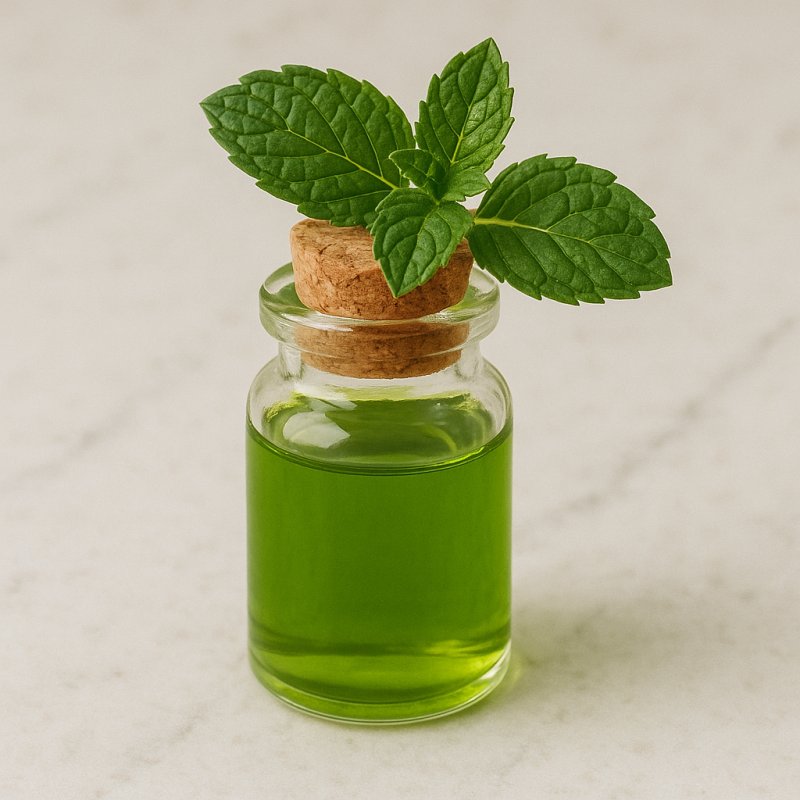
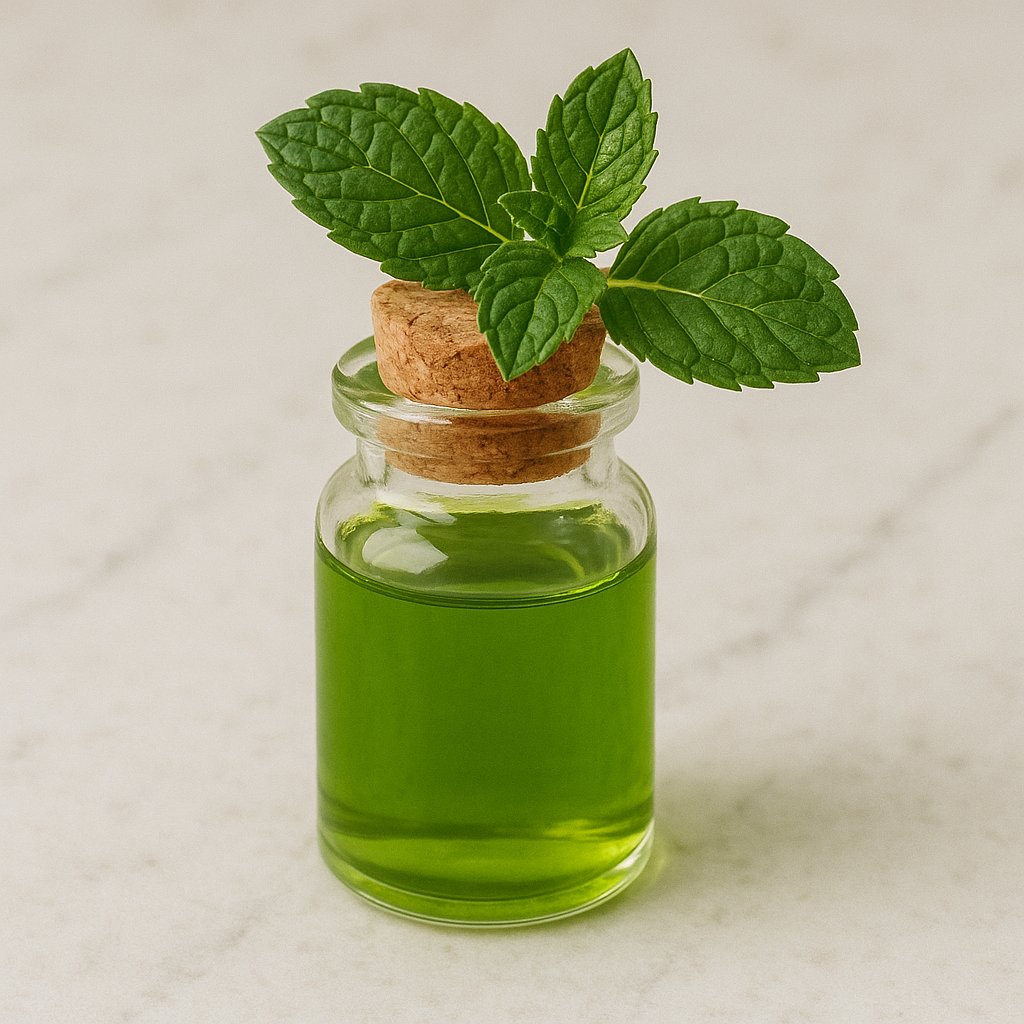
Bottle with mint oil
Mint oil – a small bottle with a big impact! I still clearly remember the day I first discovered mint oil in my kitchen. A colleague had recommended it to me while we were working on a project about healthy recipes. "Try it in your tea!", he said, and I was skeptical. But his enthusiasm was contagious, and soon I found myself holding a steaming cup of peppermint tea. The first sip was a revelation: fresh, cool and simply heavenly.

Mint oil is not only an aromatic highlight in the kitchen, but also a true multitasker. It is obtained from fresh mint leaves and has a variety of properties that make it special. I have often used it to give my dishes a distinctive touch. Whether in summer salads, savory sauces or even in baking – the possibilities are virtually endless.

  • Refreshing cocktails: A few drops of mint oil in my Mojito turn the drink into a real summer dream.
  • Healing properties: I have also tried it as a natural aid for headaches. A little mint oil applied to the temples and you feel more refreshed.
  • Room fragrance: I also add a few drops to my diffuser to fill the home with an invigorating aroma.
Of course, one should be careful when handling mint oil. It is very concentrated, and a few drops are often enough to achieve the desired effect. I remember one evening when I tried to create a new dessert. I was too generous and the result was… well, let's say it overwhelmed my taste buds a bit! But that's part of experimenting in the kitchen.

Overall, mint oil has become an indispensable companion for me. It not only brings a refreshing note to my dishes but also a bit of joy to everyday life. I can only recommend trying it. Who knows, maybe you will also discover the many facets of this wonderful oil and be enchanted by its aroma. Next time you prepare a cup of tea or try a new recipe, think of the little green plant that can do much more than please the palate. Mint oil – a true kitchen hero!

Availability & types

Mint oil is a popular essential oil obtained from the mint plant. It has a refreshing scent and is often used in foods, beverages, cosmetics and even aromatherapy. But where does this special oil come from and what different types are there? Let's take a closer look.

The origin of mint oil lies in the Lamiaceae family. There are many different kinds of mint, but the best known is peppermint (Mentha × piperita). This plant arose from a cross between water mint and spearmint. Mint oil is produced by steam distillation of the leaves and flowers of the mint plant. That means steam is passed through the plant material to extract the oil.

Mint grows in many parts of the world, but the best growing areas are in Europe, North America and parts of Asia. In Europe you can find large mint fields in countries like Hungary and Germany. In North America, Washington is known for its mint cultivation. These regions have the right climate for mint to thrive – not too hot and not too cold, and the soil is often fertile.

There are many different varieties and types of mint oil, each with its own special characteristics. Here are some of the best known:

  • Peppermint oil: This is the most common type of mint oil and has a very strong, fresh scent. It is often used in toothpaste and chewing gum because it leaves a cooling taste.
  • Spearmint oil: This variety has a milder aroma and is often used in teas and foods. The taste is sweeter and less sharp than peppermint oil.
  • Water mint: This type often grows in wet areas and has a fresh, mild flavor. It is frequently used in salads or as a garnish.
  • Chocolate mint: This particular variety has a sweet, chocolatey scent and is often used in desserts. It's a fun way to incorporate mint into sweets!
When you buy mint oil, you can find it in pharmacies, supermarkets or online. It's important to pay attention to the quality of the oil. High-quality mint oil should be pure and free of artificial additives. You can also look for certified organic products from controlled cultivation.

In summary, mint oil is a versatile ingredient obtained from various types of mint. Whether you use it for cooking, body care or relaxation, there are many ways to include mint oil in your daily life. The different varieties offer a wide range of flavors and scents, so you're sure to find something you like. Try different types and discover how versatile mint oil can be.
Details & nutrition

Property Value
Unit ml
Calories per 100 884
Protein per 100 0
Carbohydrates per 100 0
Sugar per 100 0
Fat per 100 100
Saturated fat per 100 15
Monounsaturated fat 0
Polyunsaturated fat 0
Fiber per 100 0
Vitamin C (mg) per 100 0
Vitamin D (IU) per 100 0
Calcium (mg) per 100 0
Iron (mg) per 100 0
Nutri-Score E
CO₂ footprint 2.5
Origin Egypt
Gluten-free Yes
Lactose-free Yes
Nut-free Yes
Vegan Yes
Note Mint oil is often used in aromatherapy and as a flavoring.

Technical & scientific information

Mint oil is an essential oil obtained from the leaves of the mint plant, in particular spearmint (Mentha spicata) and peppermint (Mentha × piperita). It is known for its fresh, invigorating scent and is used in numerous applications, from aromatherapy to the food industry. The main constituents of mint oil are menthol, menthone, pinene, carvone and 1,8-cineole, which are responsible for its characteristic properties and therapeutic effects.

Chemical composition
The chemical composition of mint oil varies depending on the type of mint and the conditions under which it is grown. In general, mint oil consists of:

  • Menthol: 30-55% – provides the cooling sensation and has antimicrobial properties.
  • Menthone: 10-20% – contributes to the aroma and has pain-relieving effects.
  • Pinene: 5-10% – a terpene that can have a calming effect.
  • Carvone: 5-10% – responsible for the slightly sweet taste.
  • 1,8-Cineole: 1-5% – has anti-inflammatory properties.
The composition can be influenced by various factors, including the growing region, harvest time and processing methods.

Processing methods
Mint oil is typically obtained by steam distillation of the fresh or dried leaves of the mint plant. In this process, steam is passed through the plant material, causing the essential oils to vaporize. The vapor is then cooled in a condenser, and the mint oil is separated from the water. This method is efficient and preserves the valuable properties of the oil.

Health aspects
Mint oil is frequently used in traditional medicine and several studies have shown positive health effects. The most common applications include:

  • Digestive support: Mint oil may help relieve stomach discomfort and support digestion.
  • Pain relief: The cooling effect of menthol can provide relief for headaches, muscle tension and joint pain.
  • Antimicrobial properties: Mint oil has been shown to be effective against various bacteria and fungi.
  • Refreshing: Due to its aromatic scent, mint oil is often used in oral care products and cosmetics.
However, it is important to note that mint oil in concentrated form can be irritating to the skin and should not be applied undiluted. When used in aromatherapy or in cosmetic products, proper dilution should always be observed.

Wiki entry for: peppermint oil
Active now: 17 visitors of which 2 logged-in members in the last 5 minutes