Menu & categories

Minced meat

Versatile, protein-rich ground beef for savory dishes

Wiki about minced meat Nutri-Score D Vegan No Gluten-free Yes Lactose-free Yes Nut-free Yes
NUTRITION / 100 g
250 kcal 18 g Protein 0 g Kohlenhydrate 20 g Fett

Introduction

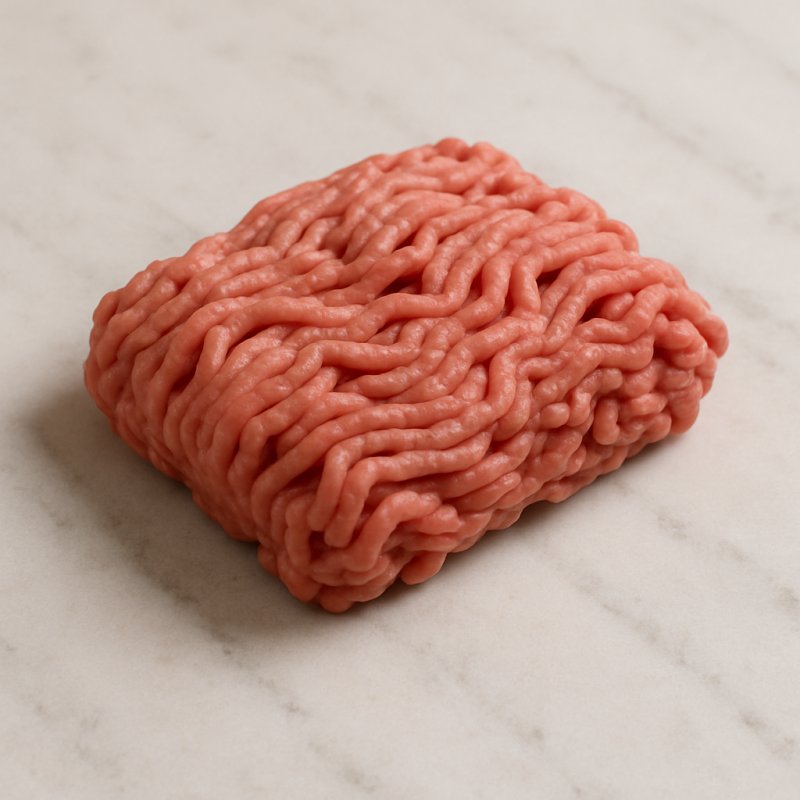
Raw ground beef on a wooden board
I have a conflicted relationship with minced meat; it is at once my secret kitchen hero and a small drama when it comes to hygiene and timing. The first time I really consciously cooked with minced meat, it ended in an improvised feast for a shared flat because a colleague had invited guests at short notice. I still remember exactly how the scent of seared beef and onions filled the kitchen and immediately drew everyone to the table.

Minced meat is so wonderfully versatile that I often compare it to a trusty tool. You can shape classic meat patties from it, conjure up a juicy Bolognese or make small Asian delights like filled rice paper rolls. I prefer blends: half beef, half pork, with a touch of bacon — that gives depth and fat that contribute to that irresistible flavor when frying.

Practically speaking, I like the short cooking times. In 15 to 20 minutes raw minced meat becomes a main component that can easily be combined with rice, pasta or salad. At the same time minced meat requires respect: fresh quality, rapid cooling and thorough cooking are not optional extras but mandatory. I remember a conversation with a friend who learned to process minced meat immediately or freeze it in portions — a good tip I have passed on ever since.

When it comes to seasoning, I love experiments. Sometimes I rely on classic salt, pepper and nutmeg, sometimes on cumin and smoked paprika. A small splash of soy sauce or a spoonful of mustard can also work wonders. When I have guests I like to make a small tasting board with different patties and sauces; it looks sophisticated but is surprisingly uncomplicated.

  • Advantages: quick, versatile, affordable
  • Tips: buy fresh, process quickly, observe core temperature
  • Variations: beef, pork, lamb, poultry, blends
In conclusion: minced meat is, for me, a synonym for flexibility in the kitchen. It demands attention but rewards with lots of flavor and quick results. If you follow a few rules, this unassuming product becomes a reliable companion that provides new, delicious dishes every week.

Availability & types

Availability and Types of minced meat

Minced meat is a very common ingredient in many kitchens worldwide. It is basically meat that has been chopped into small pieces or finely ground so that it cooks faster and mixes well with other ingredients. You can almost always find minced meat fresh in supermarkets, butcher shops (meat stores) and sometimes frozen in packages. In many countries it is also offered at the hot counter as ready-to-eat food, for example in the form of meat patties or minced meat sauces.

Origin
Minced meat comes from animals that are raised for meat. The most common animals are:

  • Beef – Cattle provide beef mince. It tastes robust and is often used for burgers or Bolognese.
  • Pork – Pork mince is somewhat fattier and juicier. It works well in hearty dishes like meat patties or meatloaf.
  • Poultry – Chicken or turkey mince is leaner and is often chosen when you want less fat.
  • Lamb – Lamb mince has its own more intense flavor and is often used in Mediterranean or Middle Eastern dishes.
  • Blends – There are also blends, for example beef and pork together, that combine the advantages of both.
Production areas or regions of origin
Animals for minced meat are raised wherever people practice livestock farming. In Europe many meat products come from countries with extensive agriculture such as Germany, France, Spain and the Netherlands. In North and South America as well as Australia and New Zealand there are also large livestock regions. If you want to know exactly where the meat in your package comes from, check the label — it often states the country or region of origin.

Available types and variants
Minced meat is available in many variants so everyone can find something suitable:

  • Fat levels – Minced meat is often classified by fat content. For example there is lean mince (low fat) and fattier mince (more juiciness and flavor). Lean mince is healthier, fattier is juicier when cooked.
  • Coarse or fine – Sometimes the mince is coarsely chopped, sometimes very fine. Coarse mince is suitable for hearty fried dishes, fine for sauces or fillings.
  • Seasoned or plain – There is pure, unprocessed mince and pre-seasoned variants where onions, salt or herbs have been added. Seasoned mince saves time, but plain mince gives you more freedom when cooking.
  • Frozen – Frozen mince has a longer shelf life and is practical if you want to keep a supply. Thawing should be done in the refrigerator to keep it safe.
  • Organic and origin labels – Some minced meat products are organic (from ecological farming), or carry labels like "free range" or "regional" that indicate the animals were raised under certain conditions.
  • Plant-based alternatives – For people who do not want to eat meat there are mince-like products made from plants, e.g. from soy or peas. They look and feel similar and can replace minced meat in many recipes.
How to choose it
When you buy minced meat pay attention to color (fresh beef mince is usually red), smell (it should smell neutral) and the expiration date. For school lunches or children's dishes it is often practical to choose lean mince or a blend so the food is not too fatty but still tastes good.

In summary: minced meat is easy to obtain, comes from various animals and is available in many variants — from lean to juicy, coarse to fine, fresh or frozen, and even as a plant-based substitute. This way everyone can find the right mince for their favorite dish.
Details & nutrition

Property Value
Unit g
Calories per 100 250
Protein per 100 18
Carbohydrates per 100 0
Sugar per 100 0
Fat per 100 20
Saturated fat per 100 8
Monounsaturated fat 9
Polyunsaturated fat 1
Fiber per 100 0
Vitamin C (mg) per 100 0
Vitamin D (IU) per 100 20
Calcium (mg) per 100 12
Iron (mg) per 100 2.5
Nutri-Score D
CO₂ footprint 5.0
Origin Beef, typically from Europe
Gluten-free Yes
Lactose-free Yes
Nut-free Yes
Vegan No
Note Nutritional values for raw ground beef with about 20% fat; actual values may vary depending on fat content and origin.

Technical & scientific information

Minced meat refers to minced muscle meat from animals, predominantly beef, pork, poultry or mixtures thereof, that has been processed mechanically or by machine. The structure of minced meat is created by breaking down whole muscle pieces, often including tendon and fat portions. This distinguishes it from whole cuts of meat by a larger surface area and altered texture, which affects microbial load, oxidation and cooking behavior.

Composition and nutritional values
The chemical composition of minced meat essentially corresponds to that of the source meat, but varies more strongly depending on fat content and the mix of animal species. Key components are:

  • Water: typically 55–75 percent by weight, influences juiciness and perishability.
  • Protein: 15–25% by weight; mainly myofibrillar and structural proteins like actin and myosin, which are responsible for binding and texture.
  • Fat: 5–30+% by weight; lipids provide energy, carry flavor and influence melting point as well as frying behavior. The fat content is often indicated as a percentage on the packaging (e.g. 10% fat).
  • Minerals and vitamins: iron, zinc, phosphorus as well as B vitamins (B12, niacin, riboflavin) are present in significant amounts.
Physicochemical properties
The large surface area of minced meat favors water binding, protein denaturation and lipid oxidation. Proteins form gel structures when heated that hold the product together. The pH value is usually just below 6.0 up to about 6.5; lower pH values can inhibit microbial growth. Lipid oxidation leads to off-flavors and discoloration; antioxidant measures such as cooling, vacuum packaging or addition of antioxidants reduce these processes.

Production and processing methods
Minced meat is produced industrially or artisanally. Industrial processing is usually done with meat grinders or cutters, often with integrated cooling systems to prevent temperature rise. Important steps are:

  • Careful selection and trimming of the meat to control fat content.
  • Cooling or cold grinding to control fiber structures and microbial counts.
  • Homogenization and, if necessary, addition of spices, water or binding agents.
  • Packing under protective atmosphere or vacuum to extend shelf life.
Food safety and microbiological aspects
Due to the increased surface area and the mechanical destruction of cell structures minced meat is more susceptible to microbial contamination than whole cuts. Typical contaminants are Escherichia coli, Salmonella spp., Listeria monocytogenes and Staphylococcus aureus. Measures to reduce risks include:

  • Cold storage at temperatures near 0–4 °C.
  • Short storage times and appropriate packaging.
  • Thorough cooking to temperatures that destroy pathogenic microbes (core temperatures depend on product and regulatory guidelines).
  • Good hygienic practice during slaughter, processing and sale.
Health aspects
Minced meat is a valuable source of protein and provides essential nutrients such as vitamin B12 and heme iron. At the same time high consumption of fatty variants can contribute to increased intake of saturated fatty acids, which with excessive consumption may promote cardiometabolic risks. Additional aspects include the presence of nitrosamines in processed meat products and possible contamination with antibiotic residues or zoonotic pathogens if not controlled.

Storage, shelf life and sensory properties
The shelf life of minced meat under refrigeration is generally a few days; freezing extends it considerably but can cause texture changes due to ice crystal formation. Fresh minced meat shows a red to dark red color with CO2/O2 interactions; grey-brown discolorations usually indicate oxidation, not necessarily spoilage. Sensory attributes are aroma, juiciness and texture, which are influenced by fat content, degree of grinding and maturation state.

In summary minced meat is a versatile food with specific chemical, microbiological and technological properties that require targeted production and storage conditions to ensure quality and safety. Its nutritional profile makes it an important source of protein, while fat content, processing and hygiene are decisive for health assessment and culinary use.

Wiki entry for: minced meat
Active now: 17 visitors of which 2 logged-in members in the last 5 minutes