Menu & categories

Millet

Gluten-free pseudo-cereal with complex carbohydrates and minerals

Wiki about millet Nutri-Score A Vegan Yes Gluten-free Yes Lactose-free Yes Nut-free Yes
NUTRITION / 100 g
378 kcal 11.0 g Protein 73.0 g Kohlenhydrate 4.2 g Fett

Introduction

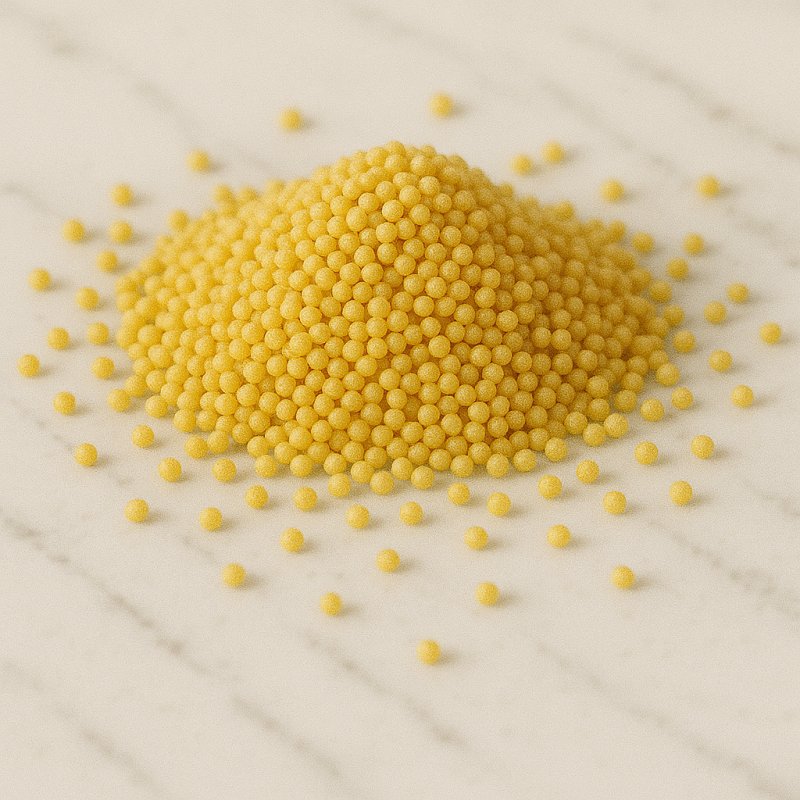
Golden-yellow millet grains in a bowl
I still remember well my first conscious encounter with millet: it was on a rainy Sunday afternoon when I picked up a bag of yellow beads at a small market and spontaneously thought it was something for adventurous cooks. At home I tried millet for the first time as a fluffy breakfast with yogurt, honey and roasted nuts. The taste was mild, almost nutty, and the texture so pleasant that I immediately knew: this is no longer a niche product for me, it will become a staple in my kitchen.

What continually fascinates me about millet is its versatility. It can be used both sweet and savory, binds as a porridge, crunches as a roasted side dish and gives salads a fine, grainy structure. I have tried millet in the following variations:

  • As a warm breakfast with fruit and cinnamon
  • As an addition to vegetable soups
  • As a base for Mediterranean- or Asian-inspired salads
  • As a filling for stuffed peppers or cabbage leaves
From a nutritional perspective millet has a lot to offer: it is gluten-free, rich in complex carbohydrates and provides important minerals such as magnesium, iron and phosphorus. A colleague of mine, who values the many benefits, swears by millet as a source of energy before long workouts. In fact, after a plate of millet one often feels a pleasant satiety without the heavy feeling that can follow some other grains.

When cooking, millet is uncomplicated; it usually needs only a ratio of about 1:2 to water and a short soaking/cooking time. A small tip I learned: toast it briefly before cooking, then it develops a more intense aroma. In one of my favorite memories I stood in a tiny holiday apartment stirring a millet pan with tomatoes, zucchini and feta – the smell spread through the house and drew the neighbors to the door, curious to "just try a bit".

Millet connects culture and cuisine, history and present. It is an ingredient that appears modest and yet has a distinct, changeable personality. When I go to the supermarket today, I often reach for millet because it is reliable, nourishing and surprising. For me millet is one of those ingredients that once you get to know it you rediscover again and again.

Availability & types

Availability and types of millet

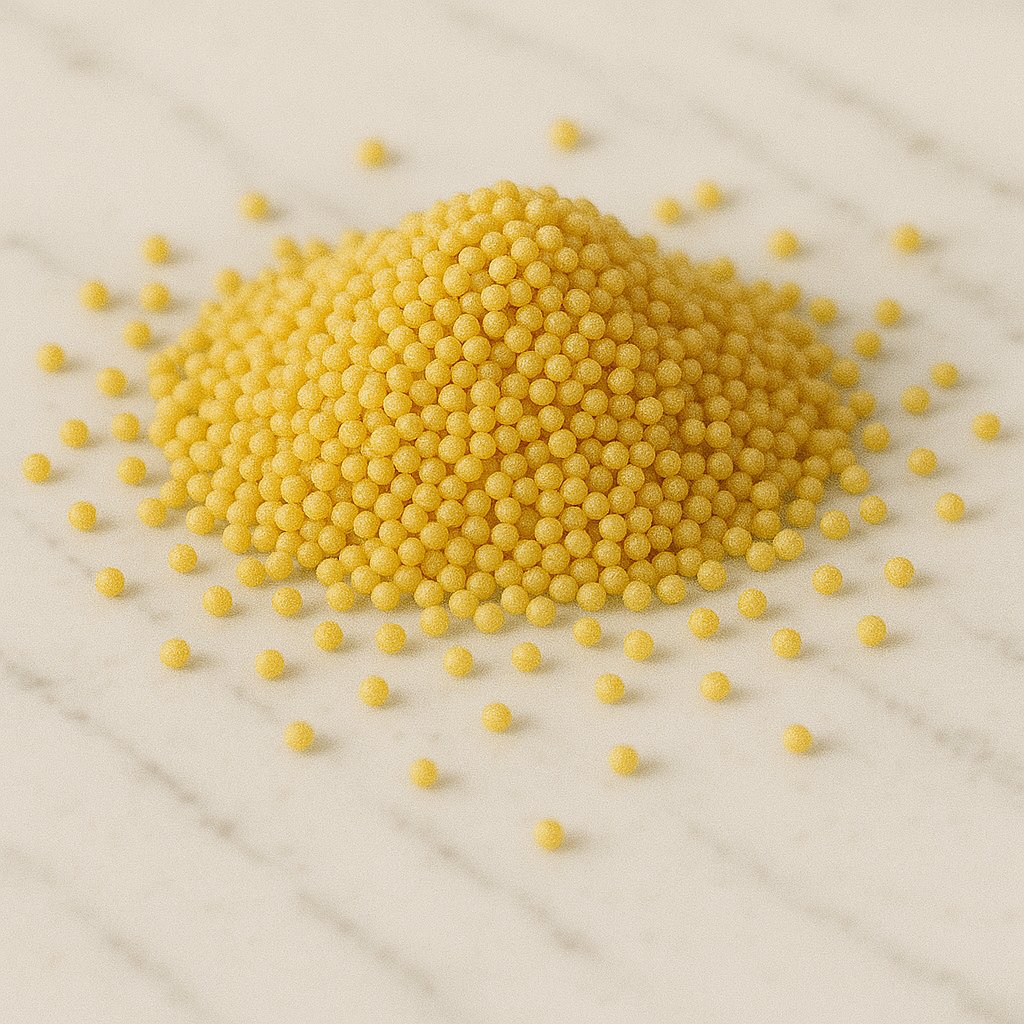
Millet is a small, round cereal grain that has been cultivated and eaten by humans for many thousands of years. You can imagine it as tiny yellow pearls – some look like tiny little beads, others are a bit flatter or lighter. Millet grows in fields and is particularly important in regions that are hot and dry, because the plant copes well with little water.

Origin
Millet originally comes from Africa and Asia. It was cultivated there long before rice or maize appeared in Europe. Over the millennia the plant has been adapted to different climates, which is why many varieties grow in very different countries today.

Growing regions
Millet grows especially in dry and hot areas. Important growing regions include:

  • Africa: Many countries in West and East Africa grow millet as a staple. It is very popular there because of its drought resistance.
  • Asia: In countries like India and China millet is also cultivated, often in regions with little rainfall.
  • Europe and the Americas: Millet can also be found here, particularly in drier parts and as a specialty crop. In Central Europe millet is now grown more often because it fits well into sustainable agriculture.
The plant does not need much water and can grow on soils where other cereals perform poorly. Therefore it is particularly important for people living in dry regions.
Available varieties and forms
There are several types of millet, and they look and taste somewhat different. Here are the main variants, simply explained:
  • Pearl millet: The best-known variety. The grains are round and smooth, often yellowish. It is widely used because it becomes fluffy when cooked – it can be eaten like rice.
  • Sorghum (finger millet): The kernels are somewhat larger and in some regions are eaten as flour or porridge. It is hardy and also used as animal feed.
  • Browner millet (often called "grape millet" or brown millet): This variety usually has a browner color and a somewhat nuttier flavor. It is suitable for salads or as a side dish.
  • Millet mixes: Supermarkets often carry mixes of different millet types or millet combined with other small cereals. Such ready mixes are practical for trying out.
Additionally there are millet products such as millet flakes (similar to oat flakes), millet flour for bread and cakes, and pre-cooked millet in pouches that can be prepared quickly.
How to find millet in the store?
Millet is usually available at supermarkets, health food stores or organic shops. You can find it dried in packages or as flour and flakes. Organic products often carry a small mark indicating they were grown without many chemicals. If you are looking for something quick, pre-cooked millets or flakes are practical – for a fast porridge or as an ingredient in muesli.
In summary, millet is a versatile, hardy plant with many varieties. It grows particularly well in dry regions, is an important food in many countries and appears in stores as grains, flour or flakes. This way almost anyone can try it and use it in simple dishes.
Details & nutrition

Property Value
Unit g
Calories per 100 378
Protein per 100 11.0
Carbohydrates per 100 73.0
Sugar per 100 0.0
Fat per 100 4.2
Saturated fat per 100 0.7
Monounsaturated fat 1.0
Polyunsaturated fat 2.0
Fiber per 100 8.5
Vitamin C (mg) per 100 0.0
Vitamin D (IU) per 100 0.0
Calcium (mg) per 100 8.0
Iron (mg) per 100 3.0
Nutri-Score A
CO₂ footprint 1.2
Origin Worldwide, mainly Asia and Africa
Gluten-free Yes
Lactose-free Yes
Nut-free Yes
Vegan Yes
Note Nutritional values for dry, hulled millet, uncooked. Millet is naturally gluten-free but may contain traces of gluten depending on processing.

Technical & scientific information

Millet is a collective term for several species of small, nutrient-rich grasses (family Poaceae) cultivated worldwide as cereal crops. In agriculture and nutrition, species such as Panicum miliaceum (proso millet), Setaria italica (foxtail millet) and Pennisetum glaucum (pearl millet) are of particular importance. Millet grains are round to oval, with a hard seed coat (hull) or, in dehulled variants, a thin germ and endosperm. Their relatively short maturation time and drought tolerance make millet an important crop in semi-arid regions worldwide.

Chemical composition and nutritional values
Millet consists predominantly of carbohydrates, especially starch, and typically provides about 350–380 kcal per 100 g raw. Macronutrient distribution is approximately 70–75% carbohydrates, 10–12% protein and 3–5% fat. The amino acid profile contains relatively high levels of methionine and cysteine compared with many other cereals, but it is limited in lysine, so combining it with protein- or lysine-rich foods (e.g. legumes) is recommended. Lipids are mainly unsaturated fatty acids, particularly linoleic acid (omega-6). Fiber includes both soluble and insoluble types and contributes to healthy bowel function.

Vitamins, minerals and secondary plant compounds
Millet contains relevant amounts of B vitamins, notably niacin (B3), thiamine (B1) and vitamin B6, as well as folate in varying amounts depending on variety and processing. Mineral contents include especially magnesium, phosphorus, iron and zinc. Iron and zinc levels can be nutritionally significant, however their bioavailability is reduced by natural phytates. Millet also contains phenolic compounds, flavonoids and other secondary plant metabolites that may have antioxidant properties.

Antinutrients and processing
Like many cereals, millet contains phytic acid (phytates), which can inhibit mineral absorption. Fermentation, sprouting/germination, soaking and heat treatments reduce phytate levels and improve mineral bioavailability. Milling to grits or flour alters the solubility and digestibility of starch components. Polishing or dehusking removes outer layers containing some fiber and phytates but also reduces micronutrients; whole-grain products retain more nutrients.

Processing methods and products
Millet is processed in many ways: grains can be cooked whole, made into porridge (e.g. millet porridge) or milled into flour. Millet flour is used in flatbreads, porridges, gluten-free baked goods and cereals. Fermented millet products are common in traditional cuisines (e.g. injera-like flatbreads, beverages). Puffed millet is produced by heat and pressure treatment and used as a crunchy flake. Modern technologies such as extruded millet products enable a wide range of industrial applications.

Health aspects
Millet is generally well tolerated and is naturally gluten-free, making it suitable for people with celiac disease or non-celiac gluten sensitivity. The fiber content supports gut health and can help regulate blood sugar, since complex carbohydrates are absorbed more slowly. Due to its methionine and other sulfur-containing amino acids, certain bioactive metabolic pathways may be positively influenced. Millet allergies are rare but possible. People with iron deficiency should combine millet with vitamin C–rich foods to improve iron absorption.

Ecology and cultivation
Millet is adaptable and grows on nutrient-poor soils and with limited rainfall. It has a comparatively low environmental footprint in terms of water demand and is often part of diversified, erosion-reducing cropping systems. Diversity in varieties and regional cultivation methods contributes to resilience against climate extremes.

Conclusion
Millet is a versatile, nutrient-dense cereal with a favorable fatty acid profile, useful B vitamins, minerals and fiber. Appropriate processing and preparation methods can significantly improve nutrient availability and digestibility. Its gluten-free nature and ecological robustness make millet a valuable component in global nutrition and sustainable agriculture.

Wiki entry for: millet
Active now: 18 visitors of which 2 logged-in members in the last 5 minutes