Menu & categories

Milchschnitte

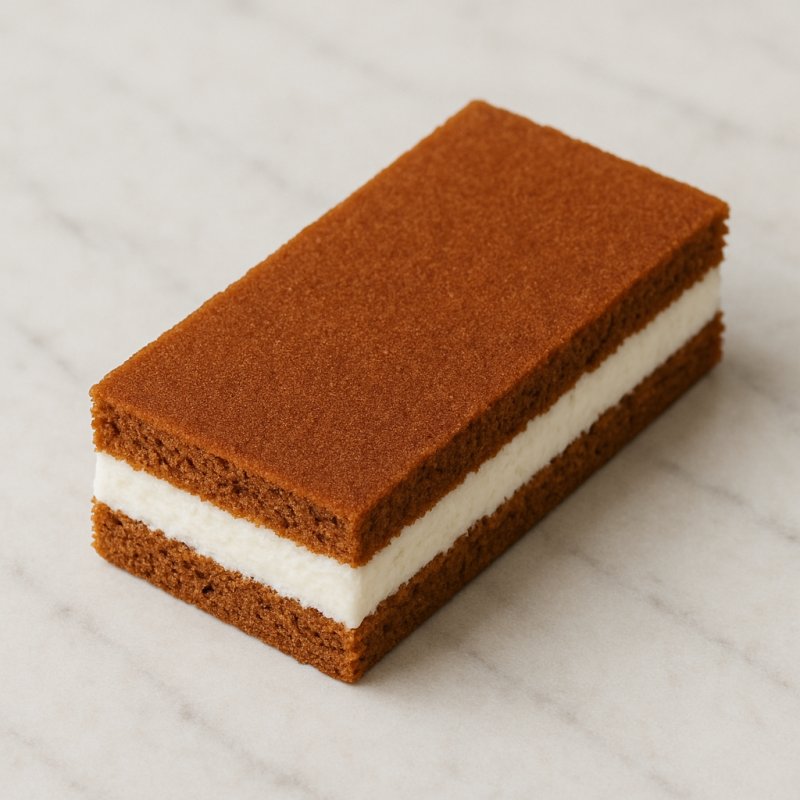
Chilled milk snack with cocoa biscuit and milk cream

Wiki about milk slice Nutri-Score D Vegan No Gluten-free No Lactose-free No Nut-free Yes
NUTRITION / 100 g
424 kcal 7.0 g Protein 42.0 g Kohlenhydrate 25.0 g Fett

Introduction

A Milchschnitte with a cocoa biscuit and milk cream filling
I still remember the first bite of a Milchschnitte: the light, almost childlike excitement when the wrapper crinkled, and the pleasant interplay of delicate cream and airy sponge. For me the Milchschnitte is more than just a snack; it is a culinary cultural asset that evokes memories of schoolyards, spontaneous coffee breaks and long train journeys. A colleague of mine swears by hiding it in the office as a little pick‑me‑up because it supposedly creates incomparable moments of happiness — I can confirm that with a nod.

What makes this sweet so special is its simple but refined combination: two soft sponge layers enclose a creamy milk filling that is neither too sweet nor too heavy. The product relies on a feeling of lightness and familiarity. Many associate it with childhood, others deliberately seek this plain, comforting texture when they need something quick. On a road trip once I ate a whole pack in a motorway café while it was raining and found that it immediately brightened the gloomy afternoon.

Some points that particularly stand out to me about the Milchschnitte:

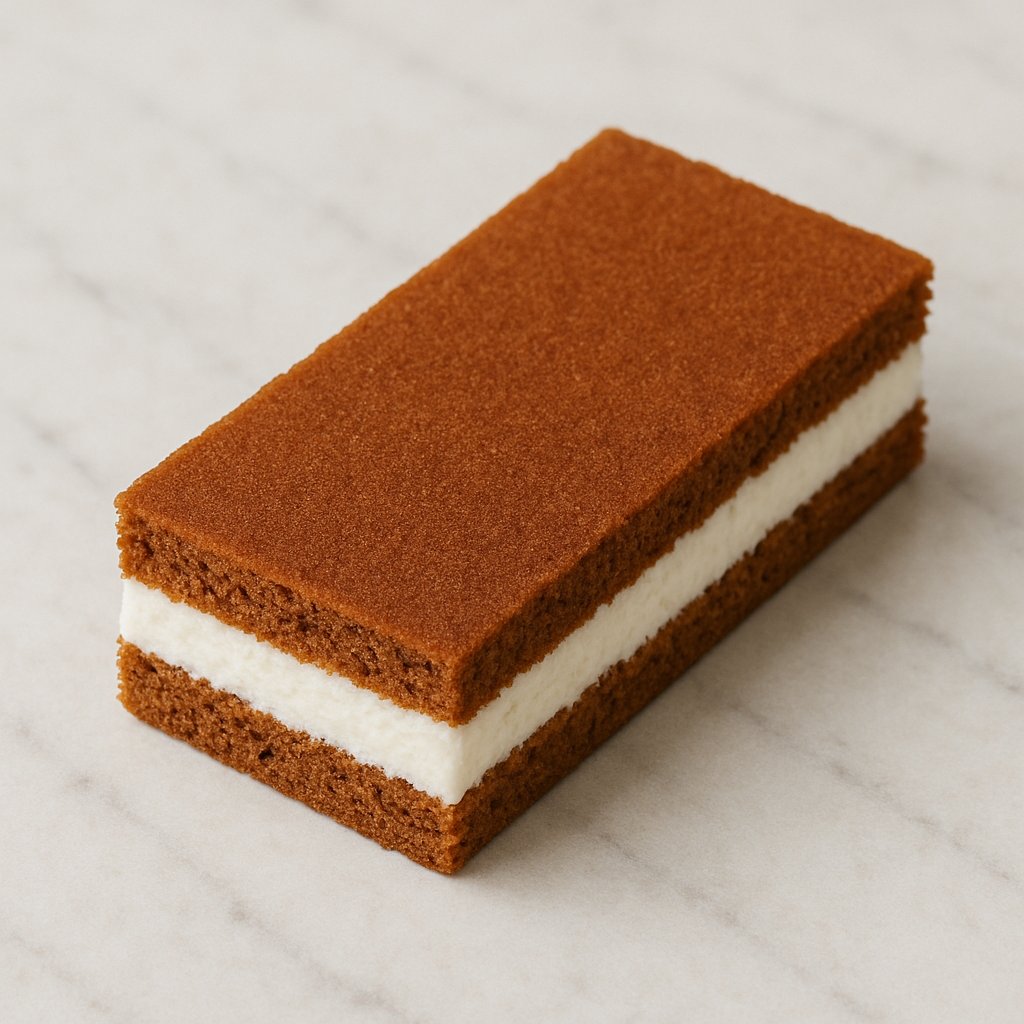
  • Texture: The cream is fluffy, the sponge layers are tender and give slightly when pressed.
  • Taste: Mild, milky, with a subtle sweetness that does not dominate.
  • Practicality: Ideal for on the go, as a small energy boost or with a cup of coffee.
  • Variety: There are now variants and seasonal editions that add variety.
Of course the Milchschnitte is not a fine‑dining product but an emotional classic. I find it appealing how such a simple concept connects generations. While writing this text I suddenly felt the urge to warm up a cup of milk and try one again. For me the Milchschnitte remains a small, reliable joy — a sweet comfort in unremarkable moments that stands out for its simplicity.

Availability & types

Availability and Types

Milchschnitte is a well‑known sweet that most people can find in supermarkets, petrol stations or kiosks. It consists of two soft cake layers with a creamy milk filling between them. Unlike fruit or vegetables, Milchschnitte has no "growing regions" because it does not grow in the field — it is manufactured in factories. You can picture the production like a large "baking and cooking room": flour, sugar, eggs, milk and other ingredients are combined, baked and then assembled.

The company that manufactures Milchschnitte usually has several production sites in different countries. That means:

  • Milchschnitte is available in many countries, especially in Europe.
  • Sometimes the packages are produced in one country and packaged or sold in another.
  • If a variety is sold only in one country, it can be due to particular taste habits or packaging regulations.
Available types and variants

Although the classic Milchschnitte always follows the same basic idea (two cake pieces and milk cream), there are many different variants. Some of the common types are:

  • Classic Milchschnitte: The standard edition with light milk cream and soft cake. This is what most people know.
  • Chocolate or cocoa variants: Here the cake or the cream is darker and more chocolatey due to cocoa. It's like the normal Milchschnitte, only with chocolate.
  • Fruity varieties: Sometimes there are variants with strawberry, raspberry or other fruit creams. These taste fresher and somewhat fruitier.
  • Two‑part packs and mini editions: For on the go or as a small snack there are often smaller portions or several small bars in one pack.
  • Seasonal special editions: At Christmas, Easter or other holidays there are sometimes special versions with festive packaging or altered flavor.
Simply put: imagine Milchschnitte as a basic idea — two soft cake halves with a tasty cream between them. This basic idea can be varied in many ways, like a game in which you keep using new colors or stickers. That's why you often find special flavors or smaller packs in the store alongside the classic version.

If you want to know which varieties are currently available, it's worth checking the supermarket shelf or the manufacturer's website. There you will often also find where the individual products are produced and which ingredients are used. That way you can be sure whether a variety matches your favorite taste or whether it is only temporarily in the shop. Overall, Milchschnitte is therefore easy to find, comes from factories and not from the field, and offers a colorful selection for different preferences — from classic to fruity or chocolatey.
Details & nutrition

Property Value
Unit g
Average weight per piece 28
Calories per 100 424
Protein per 100 7.0
Carbohydrates per 100 42.0
Sugar per 100 30.0
Fat per 100 25.0
Saturated fat per 100 15.0
Monounsaturated fat 7.0
Polyunsaturated fat 2.0
Fiber per 100 1.5
Vitamin C (mg) per 100 0
Vitamin D (IU) per 100 0
Calcium (mg) per 100 150
Iron (mg) per 100 0.7
Nutri-Score D
CO₂ footprint 2.0 kg CO2e/kg
Origin Industrial product, typically produced in the EU
Gluten-free No
Lactose-free No
Nut-free Yes
Vegan No
Note Nutritional values approximated based on typical Milchschnitte products; exact values may vary slightly depending on the manufacturer.

Technical & scientific information

Milchschnitte in this context refers to a processed food product that typically consists of two layers of sponge cake and an intervening milk‑based cream. Commercially known products bearing the name "Milchschnitte" follow a standardized structure: a fine, slightly sweet sponge, a medium fat‑water emulsion on a milk basis and an outer, often sugared surface. Considered as an ingredient, "Milchschnitte" comprises a combination of cereal components, milk raw materials, sweeteners, emulsifiers and stabilizers.

Chemical composition and main components

  • Macronutrients: The composition usually shows a share of carbohydrates from wheat flour and sugar, proteins from milk and eggs as well as fat from vegetable oils or milk fat. The carbohydrate fraction consists predominantly of starch (amylose and amylopectin) and simple sugars.
  • Milk components: Milk powder or condensed milk supply lactose, milk proteins (casein and whey proteins) as well as minerals such as calcium and phosphorus. Whey proteins are soluble and contribute to emulsion stability, while casein acts as a stabilizer via micellar structures.
  • Fats and emulsifiers: Fats originate from vegetable oils or milk fat; they influence texture, melting behavior and caloric density. Emulsifiers such as lecithin (from soy) or mono‑ and diglycerides improve the mixing of water‑ and fat‑soluble phases and stabilize the cream.
  • Stabilizers and thickeners: To obtain a creamy consistency, polysaccharides such as locust bean gum, xanthan or modified starch are used. These increase the viscosity of the phase, minimize water separation and improve sensory properties.
Manufacturing process

  • The sponges are produced by dough preparation with flour, eggs, sugar and leavening agents, followed by whipping and baking. The pore structure of the sponge is created by air and water evaporation and is relevant for the moisture uptake of the cream.
  • The milk cream is formed by emulsifying an aqueous phase (milk, water, milk powder) with a fat phase under addition of emulsifiers and stabilizers. Homogenization and thermal treatment (pasteurization) ensure microbial reduction and consistency stability.
  • The final assembly consists of spreading one sponge layer with the cream, placing the second layer and, if necessary, post‑treatments (tempering, packaging). Packaging provides a moisture barrier and extends shelf life.
Nutritional values and nutritional aspects

  • The energy content is moderate to high, driven by sugar and fat. Per portion, calories, fat and sugar contents vary significantly depending on the recipe.
  • Proteins derive primarily from milk and eggs; the biological value is relatively high because of the complete amino acid profile of milk proteins.
  • Milk components provide minerals such as calcium; however the content in the final product is reduced compared with pure dairy products due to the addition of cereals and sugar.
Health aspects and food safety

  • Allergens: Typical allergens present are wheat (gluten), milk and possibly eggs and soy. Labelling is mandatory according to food safety regulations.
  • Sugar and fat content: Regular consumption of energy‑dense, sugar‑rich products can lead to a positive energy balance and thus weight gain; risks of diabetes and dental caries increase if oral hygiene and total sugar intake are not controlled.
  • Microbiological safety: Through pasteurization of the milk components, hygienic processing and protective packaging, spoilage is delayed. Water activity and the pH of the cream influence the growth of spoilage microorganisms.
  • Preservatives and additives: To increase stability, small amounts of preservatives, antioxidants or acidity regulators may be included; their use is subject to legal maximum levels and labelling obligations.
Technological aspects

The interaction between the porous sponge structure and the viscoelastic cream affects texture and shelf life. Moisture migration promotes sogginess of the sponge; technical measures such as barrier coatings, moisture regulation through recipe adjustments and controlled packaging are used to maintain quality. Additionally, microstructural analyses (scanning electron microscopy) and rheological measurements can be employed to optimize mouthfeel properties.

In summary, "Milchschnitte" represents a composite bakery and dairy product whose properties can be controlled by choice of ingredients, emulsifiers, stabilizers and processing methods. Important considerations include nutrient profile, allergen labelling, microbiological safety and technological measures against moisture migration to ensure a stable, safe and sensorily appealing product quality.

Wiki entry for: milk slice
Active now: 17 visitors of which 2 logged-in members in the last 5 minutes