Availability and types
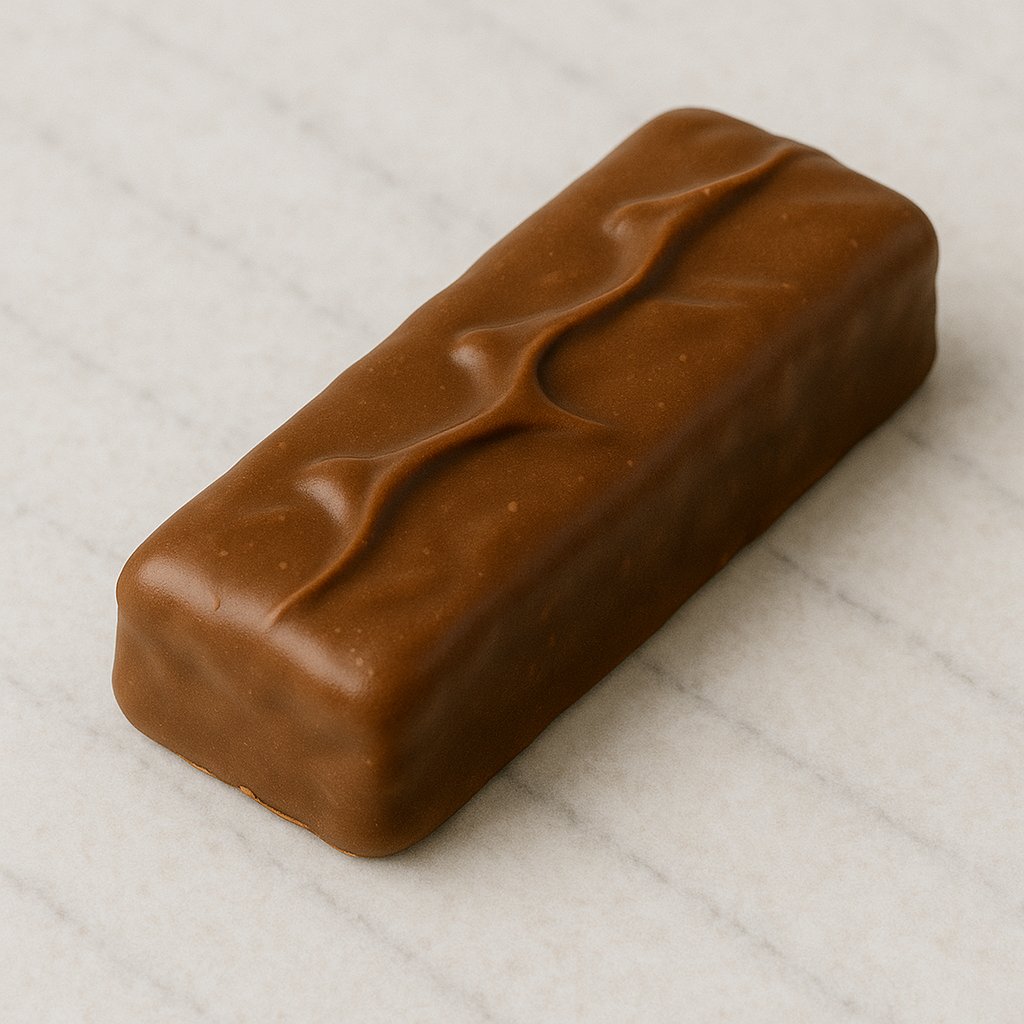
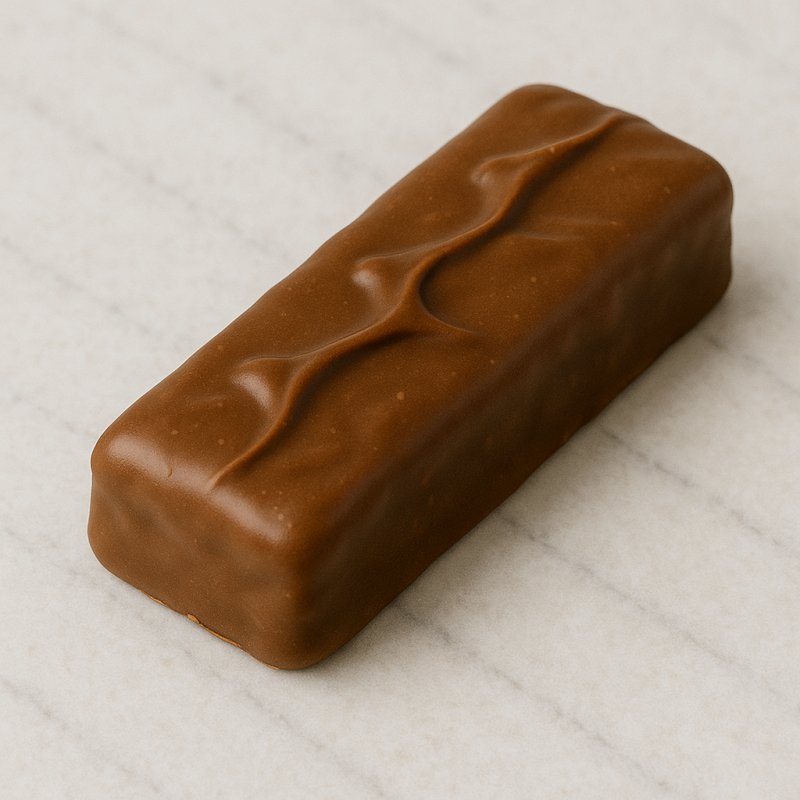
When you hear 'Mars' you might first think of the red planet or the well-known chocolate bar. Here we mean Mars as an ingredient – the sweet you can buy in many shops. Mars bars are widespread and very easy to get. You can find them in supermarkets, kiosks, petrol stations and often also in school cafeterias or vending machines. Sometimes they sit next to other sweets, like apples in a fruit basket: always there when you want a quick snack.
Origin
The Mars bar was created many years ago by a company called Mars. The company originally comes from England and the United States, but now operates in many countries. That means: even though the first Mars bars were invented in one country, the company now produces in various locations so the bars reach you quickly. Imagine there are several bakeries baking the same recipe so nobody has to walk far to buy fresh bread — it's similar with Mars bars.
The Mars bar was created many years ago by a company called Mars. The company originally comes from England and the United States, but now operates in many countries. That means: even though the first Mars bars were invented in one country, the company now produces in various locations so the bars reach you quickly. Imagine there are several bakeries baking the same recipe so nobody has to walk far to buy fresh bread — it's similar with Mars bars.
Growing regions of the ingredients
A chocolate bar like Mars is not only made of chocolate. It also contains ingredients like sugar, caramel, nougat and cocoa. These raw materials come from different parts of the world:
A chocolate bar like Mars is not only made of chocolate. It also contains ingredients like sugar, caramel, nougat and cocoa. These raw materials come from different parts of the world:
- Cocoa: Is grown mainly in hot countries near the equator, for example in Africa, South America and parts of Asia. Cocoa are the beans from which chocolate is made.
- Sugar: Often comes from sugar cane or sugar beet. Sugar cane grows in warm countries (e.g. Brazil, India), sugar beet in cooler regions (e.g. Europe).
- Dairy components: Usually come from countries with many cows, such as Europe or North America.
So these ingredients travel from farms and plantations in different countries to the factory where the Mars bar is assembled — similar to how the ingredients of a pizza come from different regions before being combined in the oven.
Available varieties and versions
Mars is not just a single bar. There are different versions so there's something for every taste. Here are some typical variants:
Available varieties and versions
Mars is not just a single bar. There are different versions so there's something for every taste. Here are some typical variants:
- Classic Mars: The regular bar with nougat and caramel, coated in chocolate.
- Mini versions: Small pieces, ideal for sharing or as a snack between meals.
- Dark/extra chocolate: Variants with darker chocolate for people who prefer less sweet chocolate.
- Peanut or nut variants: With peanuts or other nuts for a crunchy bite.
- Special editions: Time-limited versions with special flavors, e.g. caramel with sea salt or seasonal varieties like Christmas editions.
Sometimes names and available varieties are changed slightly across countries — it's like a famous toy being sold blue in one country and red in another. But the basic idea stays the same.
What to watch for
When you buy a Mars bar you can look at the packaging. It states which ingredients are included and whether there are allergens (those are ingredients some people cannot tolerate, for example nuts or milk). Information on size or nutritional values is often shown too so adults know how much sugar or fat it contains. This is similar to the nutrition table on a cereal box.
Overall, Mars as an ingredient and finished bar is very easy to obtain, comes from a combination of ingredients from many countries and appears in several varieties so that there is something for almost every taste.
What to watch for
When you buy a Mars bar you can look at the packaging. It states which ingredients are included and whether there are allergens (those are ingredients some people cannot tolerate, for example nuts or milk). Information on size or nutritional values is often shown too so adults know how much sugar or fat it contains. This is similar to the nutrition table on a cereal box.
Overall, Mars as an ingredient and finished bar is very easy to obtain, comes from a combination of ingredients from many countries and appears in several varieties so that there is something for almost every taste.