Availability and types of marjoram
Marjoram is a popular herb used in many kitchens worldwide. If you imagine marjoram, think of a garden with small green leaves that have a warm, slightly sweet scent — similar to oregano but milder. Marjoram is available in many supermarkets, weekly markets and garden centers. You can find it fresh as a plant or cut herb, dried in tins or jars and sometimes also as a frozen option. The dried form is especially long-lasting and practical in the pantry, while a fresh potted plant on the windowsill looks nice and is particularly aromatic when cooking.
Origin and cultivation areas
Marjoram originally comes from the eastern Mediterranean region and parts of Western Asia. It grew there in the wild many centuries ago. Today marjoram is cultivated in many countries, mainly in Europe: in Germany, France, Italy and countries around the Mediterranean. It is also grown in North America and parts of Asia. The herb prefers sunny locations and well-drained soil — that is, it does best where water runs off quickly so the roots do not stay too wet. Many hobby gardeners keep marjoram in pots on the balcony because the plant does not need much space and is relatively easy to care for.
Available varieties and forms
- Garden marjoram (Origanum majorana): This is the most common variety we know as marjoram. It has soft, rounded leaves and a mild aroma. This variety is often used fresh or dried.
- Caraway marjoram (rarer): Sometimes there are varieties that taste slightly nutty or 'spicier'. These variants are not widespread but can occur regionally.
- Variegated marjoram: There are also cultivated forms with slightly colored leaves or compact growth habit that are particularly decorative in a pot. Such varieties are nice for the windowsill and as gift plants.
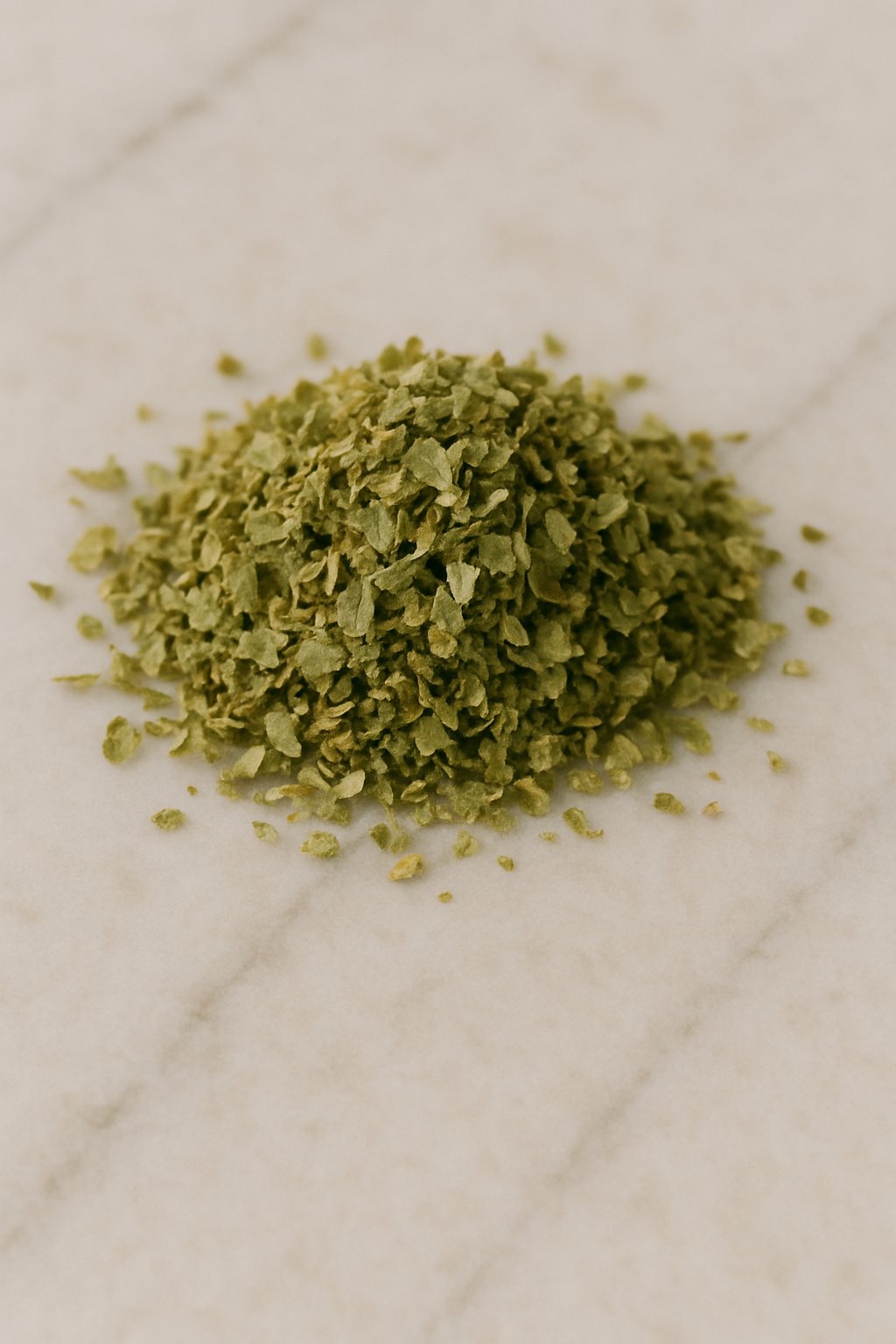
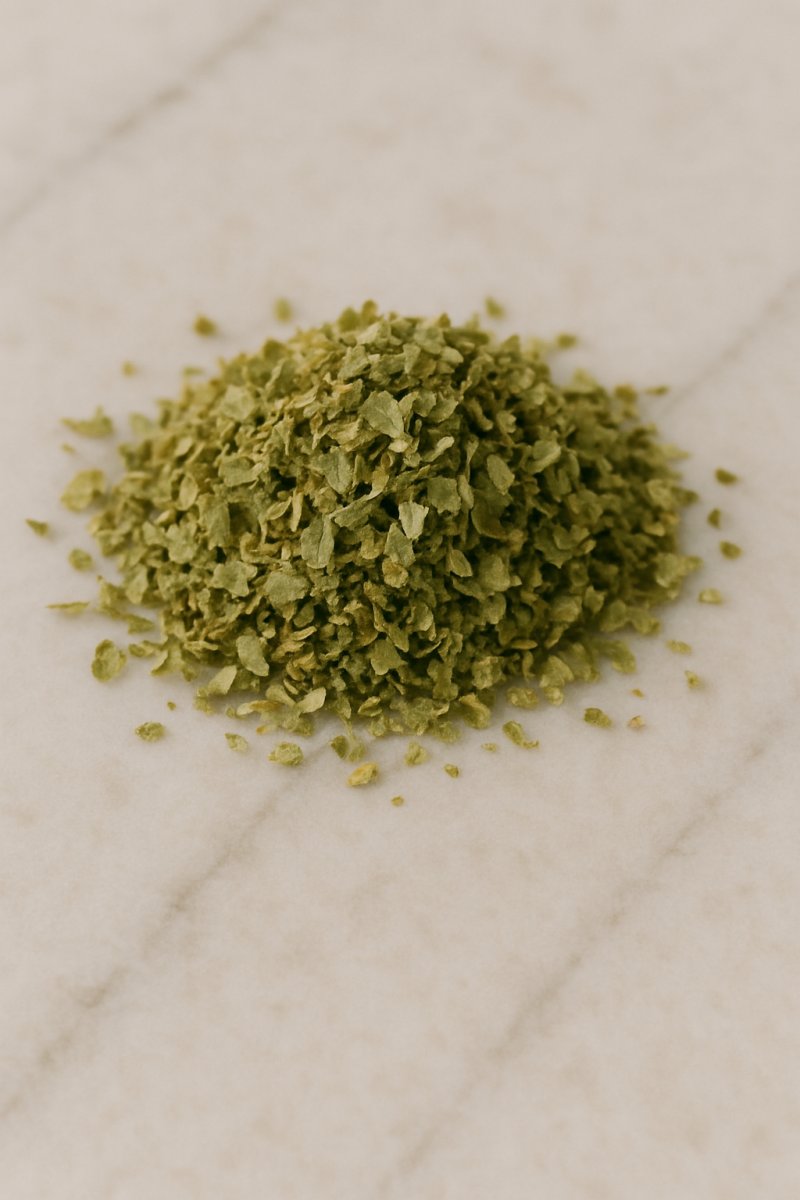
- Dried marjoram: Many people know marjoram in dried form from the spice shelf. Dried marjoram is practical because it stores well. During drying the aroma changes a bit — it becomes more concentrated but somewhat less fresh.
- Freeze-dried or frozen marjoram: Some producers offer marjoram frozen. This preserves the flavor better than normal drying, but it is less common in everyday households.
How to recognize good quality
Fresh marjoram has green, intact leaves without brown spots. It smells pleasantly aromatic. Dried marjoram should be stored in an airtight container; it should still have fragrance — if the aroma is weak, the spice is older. Frozen marjoram stays closer to the fresh variant in taste if it is well packaged.
Simple example
Imagine marjoram like a small bowl of candies: fresh the candies are soft and juicy (that is fresh marjoram), dried they are hard but the flavor is concentrated (that is dried marjoram), and frozen they would be like ice candies that preserve their taste almost as well as fresh ones.
Imagine marjoram like a small bowl of candies: fresh the candies are soft and juicy (that is fresh marjoram), dried they are hard but the flavor is concentrated (that is dried marjoram), and frozen they would be like ice candies that preserve their taste almost as well as fresh ones.
In summary: marjoram is available fresh, dried and frozen, in various garden and cultivated forms. It grows best in warm, sunny regions and is easy to obtain in many countries. For the kitchen choose according to need: fresh for intense, delicate dishes, dried for long shelf life and frozen when you want to preserve the fresh taste.