Menu & categories

Low-fat quark

High in protein, creamy and low in fat

Wiki about low-fat quark Nutri-Score A Vegan No Gluten-free Yes Lactose-free No Nut-free Yes
NUTRITION / 100 g
67 kcal 12.5 g Protein 3.9 g Kohlenhydrate 0.3 g Fett

Introduction

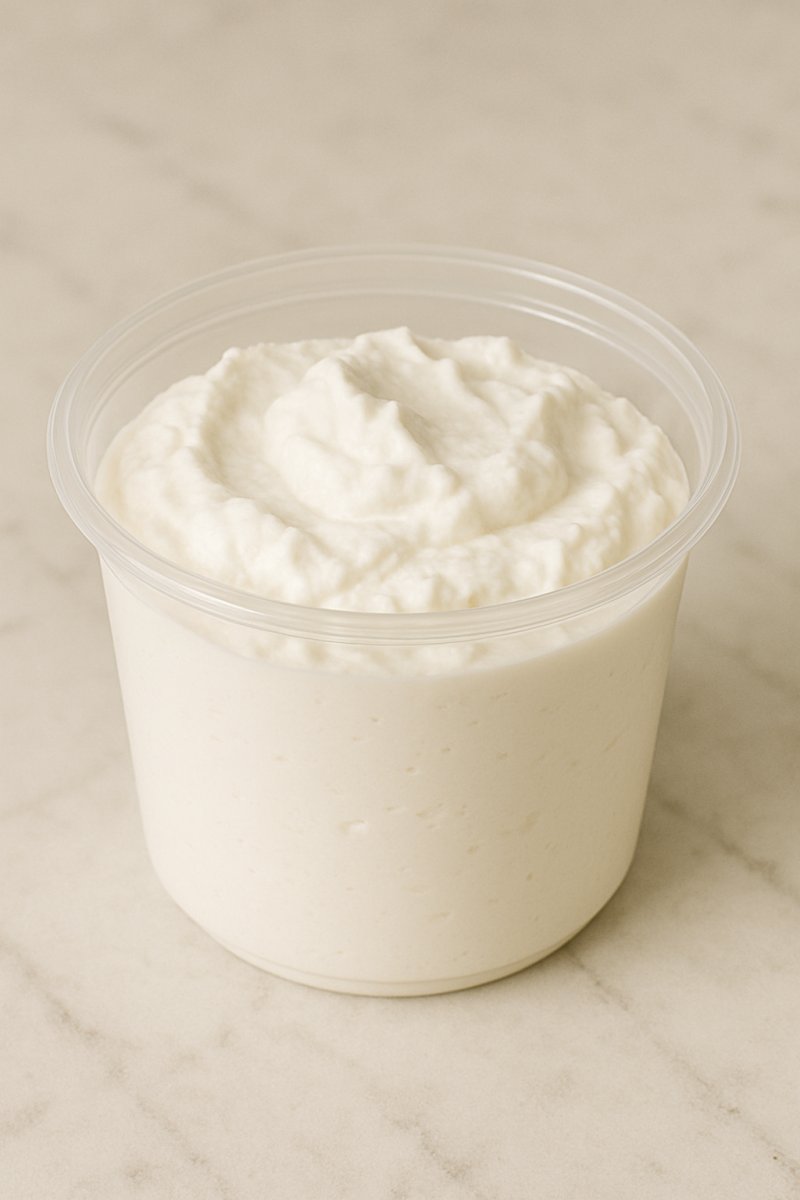
Bowl with low-fat quark
Low-fat quark is one of those ingredients that runs like a common thread through European everyday life — in refrigerators, weekly markets and recipes. As a 35-year-old editor who shuttles between editorial appointments, yoga mats and quick dinners, I surprisingly often reach for this plain white all-rounder. Low-fat quark is creamy, mild and incredibly versatile. At the same time it delivers an impressive nutrient profile that convinces fitness fans, food lovers and pragmatic cooks alike. Whether as a base for dips, in a light cake, in a breakfast bowl or as a savory topping for baked potatoes — low-fat quark is for me an essential ingredient that combines health and enjoyment.

Characteristic of low-fat quark is its high protein content combined with a low fat content. This combination not only provides long-lasting satiety but also a pleasantly light mouthfeel. When the day gets long and meetings never end, a quark snack with fruit, nuts and a hint of cinnamon regularly saves me from reaching for less balanced alternatives. A colleague of mine swears by quark with fresh herbs, lemon zest and a drizzle of olive oil as a bread spread — simple, protein-rich and aromatic.

In Europe low-fat quark is firmly embedded in culinary culture. From traditional quark dishes in Germany and Austria to modern fitness recipes in Scandinavian kitchens, the creamy fresh cheese is indispensable in many eating habits. I remember a trip to southern Germany when an innkeeper served me a lukewarm quark casserole with vanilla. The texture was airy, the taste subtle — and precisely this restraint makes low-fat quark so valuable. It adapts without imposing itself and lets spices, herbs and seasonal ingredients take center stage.

Added to this is everyday practicality: low-fat quark is affordable, available in almost every supermarket and has a pleasant shelf life in the fridge. Whoever needs quick energy before a demanding day whips up a bowl in the morning with quark, oats, berries and a teaspoon of honey. In the evening the same base becomes a

Availability & types

Availability and types of low-fat quark

Low-fat quark is a fresh dairy product that is very popular in many European countries, especially Germany, Austria and Switzerland. It belongs to the large family of quark and fresh cheese products and is made from cow’s milk. The special feature of low-fat quark is its very low fat content: it typically contains less than 0.5% fat in the dry matter; often the packaging states “under 0.3% fat.” For this reason it is popular with people who want a high-protein, low-fat diet. At the same time low-fat quark is very versatile thanks to its creamy consistency and its mild, slightly tangy taste.

Origin and production – briefly and understandably
Quark is produced when milk is “acidified” with lactic acid bacteria. These friendly bacteria convert milk sugar (lactose) into lactic acid. This causes the milk protein (casein) to coagulate and a solid mass called the “gel” to form. This mass is then cut and drained in cloths or special installations so that whey (the yellowish liquid) runs off. Depending on how much fat is in the starting milk and how strongly it is drained, different quark types are produced. Low-fat quark is made from skimmed milk, i.e. milk from which the fat has been almost completely removed.

Availability in trade
In many supermarkets, discounters and organic shops, low-fat quark is available year-round. It is a so-called “fresh product” and is restocked regularly, often daily. Typical package sizes are 250 g, 500 g and 1 kg. In addition, low-fat quark is available in jars or in sustainable tubs in some organic markets. In regions where quark is less common (for example outside Central Europe), it is found mainly in well-stocked supermarkets, international delicatessen sections, or it is substituted with similar products such as skyr or low-fat Greek yogurt.

Types and varieties of quark – where low-fat quark fits in
In German-speaking areas quark is roughly distinguished according to fat content:
Details & nutrition

Property Value
Unit g
Average weight per piece 250
Calories per 100 67
Protein per 100 12.5
Carbohydrates per 100 3.9
Sugar per 100 3.9
Fat per 100 0.3
Saturated fat per 100 0.2
Monounsaturated fat 0.1
Polyunsaturated fat 0.05
Fiber per 100 0
Vitamin C (mg) per 100 0
Vitamin D (IU) per 100 0
Calcium (mg) per 100 120
Iron (mg) per 100 0.1
Nutri-Score A
CO₂ footprint 1.1 kg CO2e/kg
Origin EU
Gluten-free Yes
Lactose-free No
Nut-free Yes
Vegan No
Note Low-fat quark naturally contains lactose; lactose-free variants are available.

Technical & scientific information

Low-fat quark is a fermented dairy product with a very low fat content and a high biological value of the proteins it contains. It is produced by lactic acid bacterial acidification of skimmed or very low-fat cow's milk, followed by the separation of whey. The result is a spreadable, fine-grained mass with a high dry-matter proportion of milk protein and a characteristically mild-acid aroma. In food technology, low-fat quark is regarded as a versatile matrix for sweet and savory applications, for sports nutrition–oriented products and as a texture-defining element in baking and cooking recipes.

Production and process parameters: The base is pasteurized skimmed milk (typically < 0.5% fat). By adding defined starter cultures, predominantly Lactococcus lactis strains and optionally Leuconostoc species, lactose is fermented to lactic acid. The pH drop into the range of about 4.5–4.7 leads to coagulation of the casein micelle system (isoelectric point of the caseins), producing a gel. Process variables such as fermentation temperature (usually 22–30 °C), inoculation rate, fermentation time and calcium ion content influence gel stability, syneresis and texture. After coagulation, whey is separated by centrifugation or draining, sometimes assisted by mechanical stirring. Gentle cooling stabilizes the protein network structure and reduces microstructure damage. Optionally, a homogenization step can smooth the mouthfeel.

Composition and nutrient profile: Low-fat quark is characterized by a high protein content (typically 11–14 g/100 g), dominated by casein fractions (αs-, β- and κ-caseins) with a portion of whey proteins. Fat content is generally below 0.5 g/100 g. Carbohydrates are mainly residual lactose (about 3–4 g/100 g), the amount of which depends on the degree of fermentation. Energy content is often between 60 and 75 kcal per 100 g. In terms of minerals, low-fat quark provides relevant amounts of calcium, phosphorus and

Wiki entry for: low-fat quark
Active now: 20 visitors of which 2 logged-in members in the last 5 minutes