Menu & categories

Liqueur

Sweet alcoholic beverage with a high sugar content

Wiki about liqueur Nutri-Score E Vegan No Gluten-free No Lactose-free No Nut-free No
NUTRITION / 100 ml
300 kcal 0 g Protein 45 g Kohlenhydrate 0 g Fett

Introduction

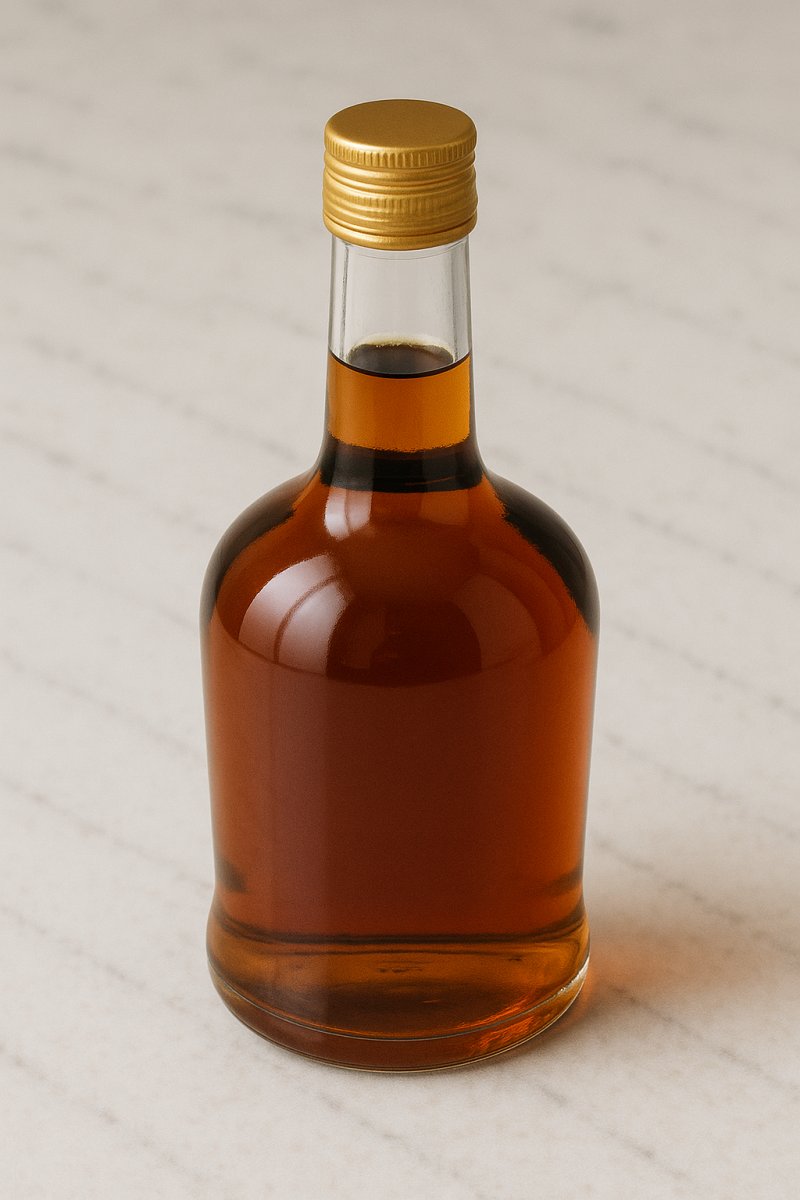
Glass of colorful liqueur on a table
I still remember the first sip of liqueur that really opened my eyes: it was a velvety, cinnamon-sweet drop that a friend passed around after a long evening. It sounded trivial, but in that moment I realized how versatile this ingredient is. Liqueur can replace a dessert, finish a cocktail, or surprise as a small gift in a homemade bottle.

To me liqueur is not merely a sweet on the shelf, but a chameleon of the kitchen. The base is usually alcohol, sugar and aromatic additions like fruits, nuts, herbs or spices. Some are clear and robust, others creamy and soft. I once tried to reconstruct an orange liqueur from a family recipe and learned how important resting time is: flavors need time to meld, and sometimes patience is the most important "ingredient."

I like to list the uses because they are so surprising:

  • In desserts: Liqueurs flavor creams, cakes or panna cotta.
  • In coffee: A splash adds warmth and complexity.
  • In cocktails: They build bridges between acidity and sweetness.
  • As a gift: Homemade liqueurs feel personal and loving.
A colleague once brought a homemade nut liqueur to the office, and the scent filled the room like a warm memory of grandma's kitchen. We tasted it cautiously, as if it were a work of art, and discussed whether it would pair with vanilla ice cream or dark chocolate. Moments like these show that liqueur is more than flavor: it creates atmosphere and connects stories.

Practically speaking, it's helpful to know a few basics: the choice of alcohol affects intensity and shelf life, the sugar level controls balance and texture, and the quality of the aromatics determines the final result. My advice: start small, taste, adjust and don't be too strict. Often experiments lead to pleasant surprises — and to new stories shared over the next glass of liqueur.

Availability & types

Availability and types of liqueur

Liqueur is a sweet, often flavored spirit you can buy in many countries around the world. You can think of it as a small flavor explosion in a bottle: sugar, flavors and alcohol are combined so that in the end you have something you can drink neat, use for baking or to refine cocktails and desserts. Liqueurs are readily available in supermarkets, liquor stores, well-stocked beverage sections and online.

Origin and growing regions
Liqueur itself doesn't grow in a field – its ingredients do. Many liqueurs are based on fruits, herbs, spices or nuts. Therefore the "places of origin" come from various regions:

  • Fruits: Lemons and oranges for orange liqueurs (e.g. Triple Sec) often come from warm countries like Spain, Italy or Brazil. Cherries and berries commonly come from Europe or North America.
  • Herbs and spices: Herbs like anise or fennel grow in Europe or the Mediterranean region; exotic spices may come from Asia or Africa.
  • Nuts and seeds: Hazelnuts for some nut liqueurs are cultivated, for example, in Turkey or Italy.
The actual production of a liqueur usually takes place in distilleries or small family businesses – sometimes even in monasteries or with artisans who have their own old recipes.

Available varieties and variants
There are many different kinds of liqueurs. Some taste fruity, others are rather sweet and creamy, and others strongly herbal. Here are the main types, simply explained:

  • Fruit liqueurs: These are made from real fruit or fruit extracts. Examples are cherry liqueur or lemon liqueur. You can imagine them like fruit jam mixed with alcohol.
  • Herbal liqueurs: They contain many different herbs and often taste somewhat bitter or spicy. A well-known example is Jägermeister. Herbal liqueurs were often used as remedies in the past.
  • Cream and cream-based liqueurs: These are viscous and sweet because they contain cream or milk. An example is Baileys. They are like liquid dessert.
  • Nut and almond liqueurs: They taste of nuts, like hazelnut or almond. They go well with coffee or cakes.
  • Spice and specially flavored liqueurs: These include, for example, anise liqueurs (with a licorice-like taste) or liqueurs with chocolate or coffee flavor.
  • Special and regional liqueurs: Many regions have their own traditional liqueurs with special recipes – for example Italian limoncello (lemon liqueur from southern Italy) or French Cointreau (orange liqueur).
Where can you find which type?
In an ordinary supermarket you will usually find the most popular varieties such as fruit liqueurs, cream liqueurs and some herbal liqueurs. In well-stocked liquor shops or delicatessens you will often find regional or artisanal liqueurs. Online shops offer the widest selection: there you can order special varieties from around the world. If you are looking for something really special, it's worth visiting a small distillery or a local producer – sometimes you can also taste and meet the people behind the liqueur.

Liqueur can therefore be made from many different ingredients and comes from many different regions. Whether you are looking for a fruity flavor for a cake, a creamy liqueur for a dessert or a spicy drink for a special cocktail – the selection is large and the chance of finding something suitable is very high.
Details & nutrition

Property Value
Unit ml
Calories per 100 300
Protein per 100 0
Carbohydrates per 100 45
Sugar per 100 45
Fat per 100 0
Saturated fat per 100 0
Monounsaturated fat 0
Polyunsaturated fat 0
Fiber per 100 0
Vitamin C (mg) per 100 0
Vitamin D (IU) per 100 0
Calcium (mg) per 100 2
Iron (mg) per 100 0.1
Nutri-Score E
CO₂ footprint 1.5
Origin Varies by type and manufacturer; often Europe
Gluten-free No
Lactose-free No
Nut-free No
Vegan No
Note Nutritional values are average values for a sweet liqueur with about 20 % vol. alcohol; actual values vary by type and manufacturer. Contains alcohol; not suitable for children, pregnant or breastfeeding women.

Technical & scientific information

Liqueur denotes a class of alcoholic beverages characterized by a comparatively high sugar content, pronounced aroma and often a lower alcohol strength than spirits. Typically alcohol content and sweetness lie in a range that makes the liqueur usable both neat as a digestif and as an ingredient in cocktails, desserts and baked goods. Historically liqueurs arose from medicinal and culinary uses, where herbs, fruits or spices were macerated in alcohol and refined with sugar.

Composition and ingredients

A liqueur essentially consists of the following components:

  • Ethyl alcohol (ethanol): carrier for fat-soluble aroma compounds and solvent for many secondary plant constituents. Alcohol content typically ranges between 15 and 55% vol., depending on variety and legal definition.
  • Sugar: Sucrose is the most common sweetener; in addition, sugar syrups, invert sugar or glucose-fructose syrups are used. Sugar contents can range from 100 g/l to over 400 g/l and determine taste, viscosity and shelf life.
  • Aromas: Natural or artificial flavorings derive from fruits, herbs, spices, nuts, flowers or plant extracts as well as from flavoring with distillates. Aromas often contain complex mixtures of terpenes, esters, aldehydes and phenols.
  • Fats and oils: In nut or orange liqueurs volatile oils and lipid-like compounds may be present, which influence emulsions and cloudiness.
  • Water: Dilutes ethanol and contributes to solubility and texture. The ratio affects freezing point, density and sensory properties.
  • Additives: Colorants, acidifying agents (e.g. citric acid), stabilizers and emulsifiers (e.g. gum arabic) are used to ensure color, taste and homogeneity.
Manufacturing processes

Production comprises several processes that are combined depending on the target profile:

  • Maceration: Plant material or fruits are soaked in ethanol so that soluble aroma compounds are extracted. Extraction kinetics depend on alcohol strength, temperature, particle size and extraction time.
  • Distillation: Aromatic components can be obtained by distillation (e.g. steam distillation or rectification). Distillates provide clear, often concentrated aromas that are added to the liqueur.
  • Percolation/solvent extraction: Methods frequently used industrially to obtain specific aroma compounds.
  • Blending and sweetening: Extracts, distillates, alcohol and water are blended according to sensory criteria. Sugar is dissolved in the desired amount, possibly with stabilizers.
  • Filtration and maturation: Filtration removes suspended solids; some liqueur types benefit from resting periods to harmonize the aromas.
Physical and chemical properties

Liqueurs are more viscous than unsweetened spirits due to the high sugar content, which increases density and mouthfeel. Sugar solutions influence freezing point and water activity, and thus also microbial growth. Aromatic components are partly volatile and partly semi-volatile; their stability depends on light, temperature and pH. Emulsions with oily aromatics are stabilized by emulsifiers.

Nutritional values and health aspects

  • Liqueurs provide a considerable number of calories, mainly from ethanol (7 kcal/g) and sugar (4 kcal/g). A standard measure (20–40 ml) can contain 100–300 kcal, depending on sugar and alcohol content.
  • The high sugar and alcohol content means an increased risk of tooth decay, weight gain and metabolic strain with regular consumption.
  • Alcoholic components can interact with medications and pose health risks such as liver burden, dependence and cardiovascular effects.
  • Allergens: components such as nuts, milk constituents or certain plant extracts can trigger allergic reactions; labeling obligations regulate disclosure.
Legal and sensory classification

Nationally and internationally there are regulations that set minimum alcohol content, sugar amounts and the permissibility of certain additives. Sensory classification evaluates liqueurs by base aroma (fruit, herbal, nut, cream liqueurs), sweetness level and alcohol strength. Production aims for a balanced relationship of aroma, sweetness and alcohol, while stability and shelf life are ensured by microbiological control and appropriate packaging.

Overall, liqueur is a technically versatile product whose properties can be targeted by the choice of raw materials, extraction and blending processes and by additives; this determines aroma, texture, shelf life and nutritional effects alike.

Wiki entry for: liqueur
Active now: 18 visitors of which 2 logged-in members in the last 5 minutes