Availability and types
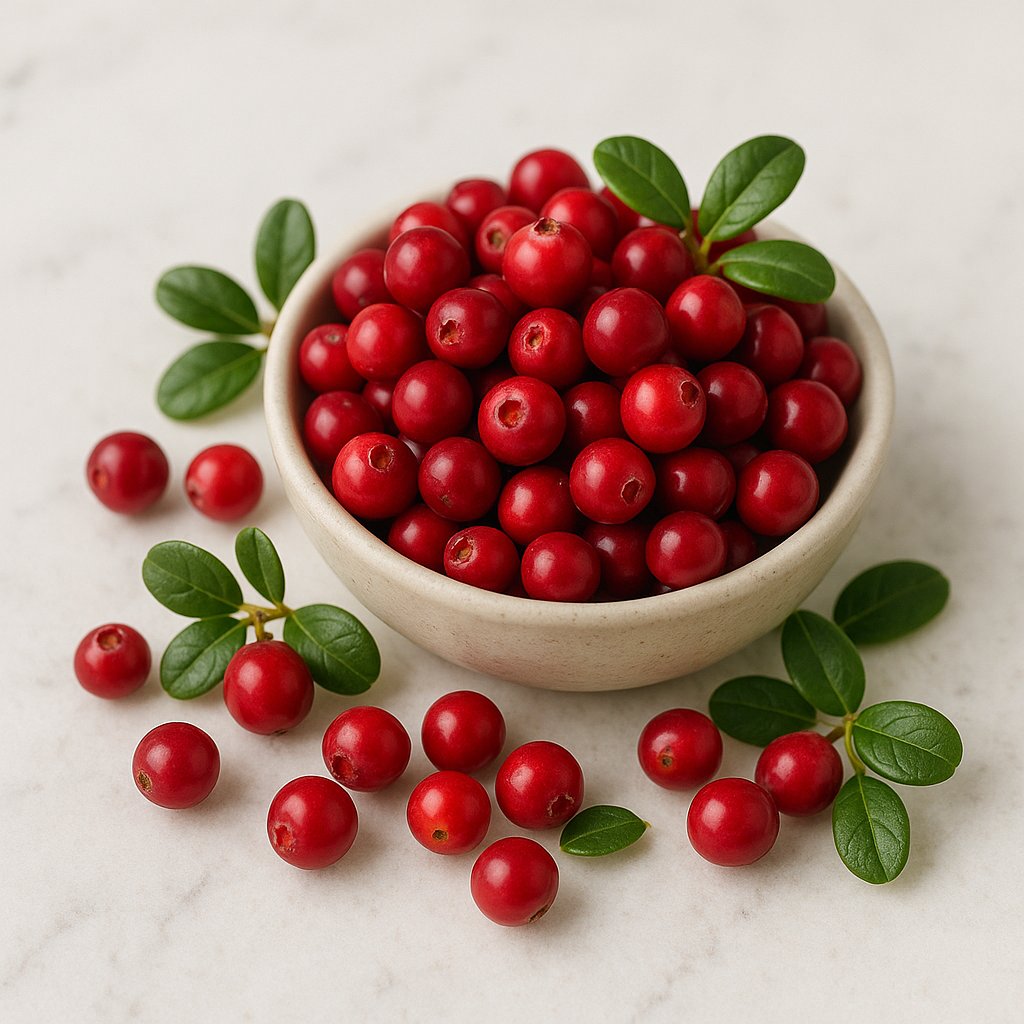
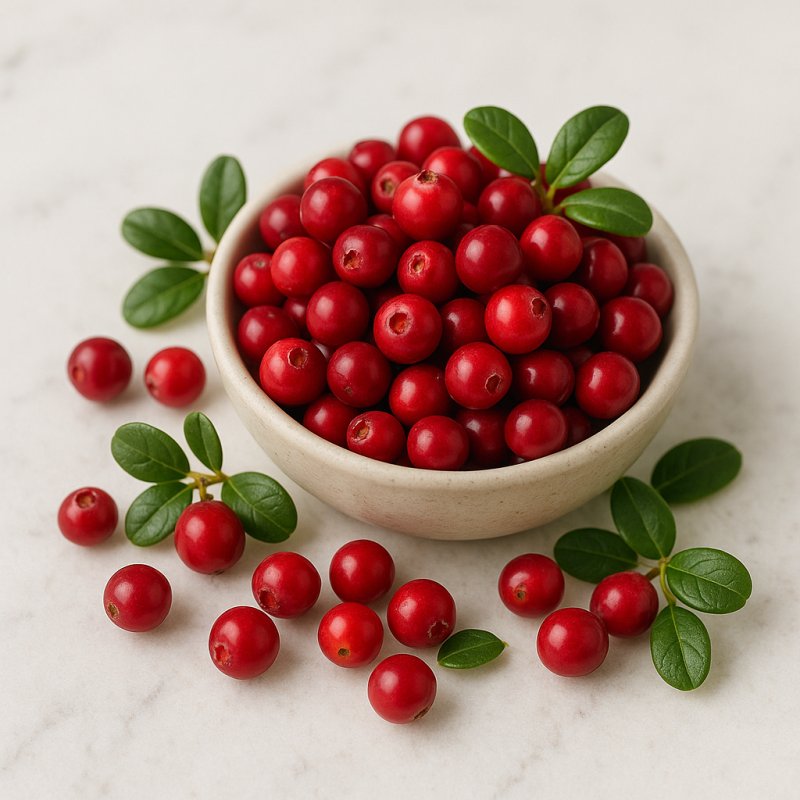
Cranberries are small red berries loved by many people. They grow in cool regions and are a bit reminiscent of cranberries (Vaccinium macrocarpon), but are distinct. If you want to know where they come from and what types there are, I'll explain it simply and clearly.
Origin
Cranberries originally come from the northern parts of Europe and Asia. They occur naturally in forests, bogs and open areas where it is not too warm. In countries like Sweden, Norway, Finland, Estonia or Russia they are part of the natural landscape. Similar small red berries also grow in parts of North America. In the past people picked them in the forest; today they are also cultivated in fields.
Cranberries originally come from the northern parts of Europe and Asia. They occur naturally in forests, bogs and open areas where it is not too warm. In countries like Sweden, Norway, Finland, Estonia or Russia they are part of the natural landscape. Similar small red berries also grow in parts of North America. In the past people picked them in the forest; today they are also cultivated in fields.
Growing regions
Cranberries prefer cool temperatures and generally acidic soils. That does not mean the soil tastes sour, but that it has certain properties the plants like – similar to how some people like lemon juice and others do not. Important growing regions include:
Cranberries prefer cool temperatures and generally acidic soils. That does not mean the soil tastes sour, but that it has certain properties the plants like – similar to how some people like lemon juice and others do not. Important growing regions include:
- Scandinavia (Sweden, Norway, Finland): many wild harvests and also trade.
- Eastern Europe (e.g. Estonia, Latvia, Russia): large areas with wild cranberries.
- Central and Northern Europe: in Germany and Poland there are cultivations and collection sites.
- North America: related species grow there, some are also cultivated.
- Gardens and small plantations: more and more people plant cranberries in their own gardens or on small fields.
Available varieties and forms
When one says “varieties” one means: different types of cranberries that differ a bit. They can be roughly divided into two groups:
When one says “varieties” one means: different types of cranberries that differ a bit. They can be roughly divided into two groups:
- Wild cranberries: These grow in the forest and are often smaller but very aromatic. They are often hand-picked and have a strong, slightly tart flavor.
- Cultivated varieties: Farmers have bred plants that produce larger berries or more fruit. These varieties are practical for plantations because they are easier to harvest. Some are more vigorous or give higher yields in the garden.
There are also cranberries in various processed forms that you find in stores:
- Fresh: in season, usually late summer to autumn.
- Frozen: convenient because the berries are available year-round.
- Preserves and jars (e.g. cranberry jam or compote): shelf-stable and very popular with many dishes.
- Juice and syrup: for drinks or as an addition to food.
- Dried: like raisins, good for snacking or in muesli.
Everyday availability
Fresh cranberries are usually seen only briefly during the year, but frozen, as jam or juice they are almost always available. You can find different variants in supermarkets, farmers' markets or specialist wild fruit retailers. If you look for them in the supermarket, pay attention to the label “wild” or “cultivated”, depending on whether you prefer the intense flavor of wild berries or the larger fruits from plantations.
Fresh cranberries are usually seen only briefly during the year, but frozen, as jam or juice they are almost always available. You can find different variants in supermarkets, farmers' markets or specialist wild fruit retailers. If you look for them in the supermarket, pay attention to the label “wild” or “cultivated”, depending on whether you prefer the intense flavor of wild berries or the larger fruits from plantations.
This gives you a good overview: cranberries exist wild and cultivated, fresh in season or processed year-round. They mainly come from northern, cooler regions and are versatile in use.