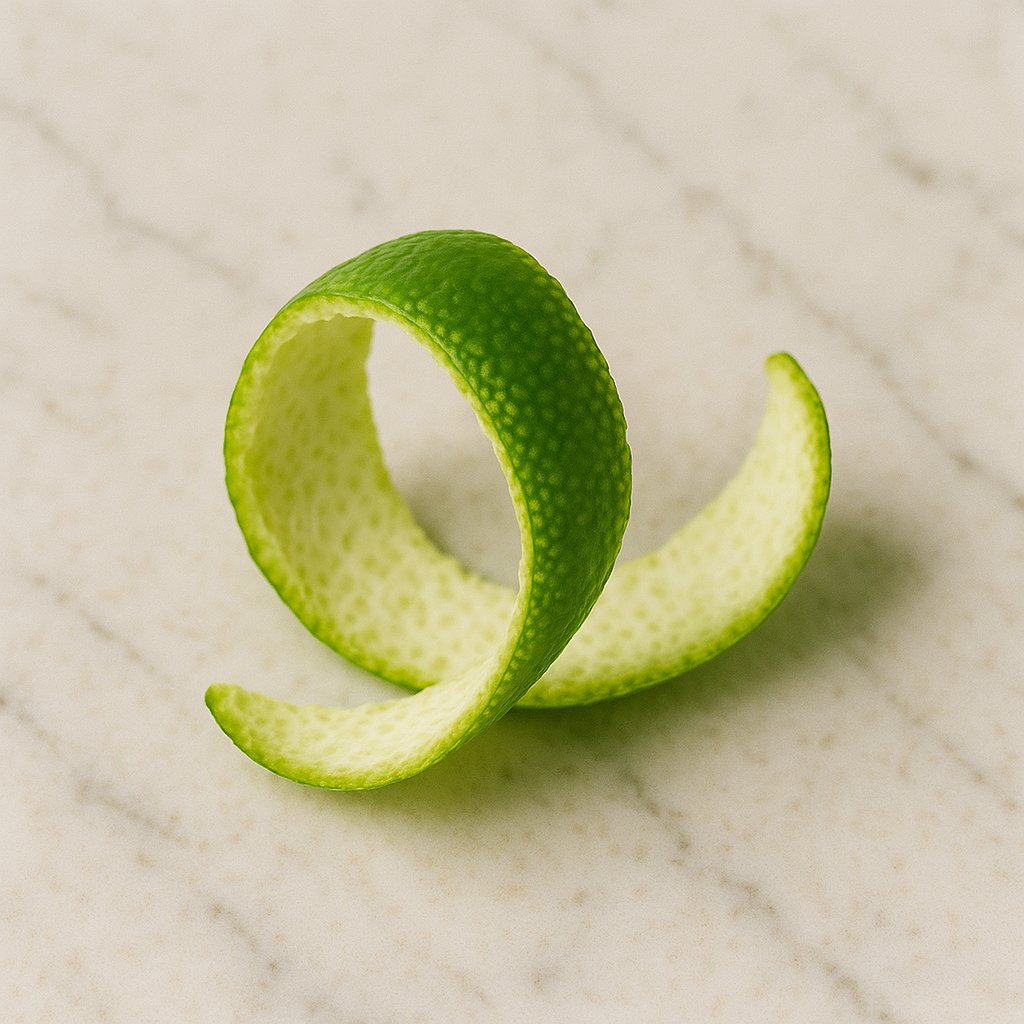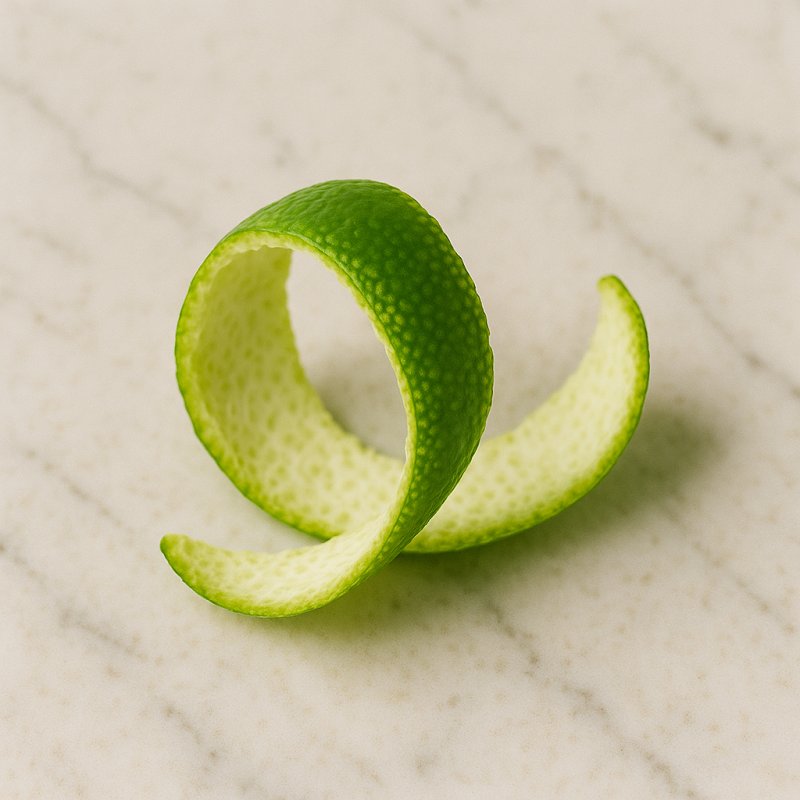
Lime zest is a delicious and aromatic ingredient used in many dishes and drinks. It comes from the lime, a small greenish citrus fruit known for its sour taste. To learn more about the availability and the different types of lime zest, let's look at the origin, growing regions, and the available varieties and forms.
The lime originated in Southeast Asia, where it has been cultivated for centuries. Today it is grown in many warm countries around the world. The largest lime producers are countries such as Mexico, Brazil, Argentina, and India. These countries have the ideal climate with plenty of sun and warm temperatures, which helps limes become juicy and full of flavor.
In supermarkets you can find lime zest in various forms. Often it is sold as fresh zest, which you can grate directly from the lime. But there is also dried lime zest, packaged in small bags. This dried variant is very convenient because it has a long shelf life and can be easily added to your recipes without first having to peel the fruit.
When we talk about the different types of lime zest, there are a few important varieties to know:
- Persian Lime (also known as Tahiti lime): This lime is the most commonly cultivated variety. It has a thicker peel and a refreshing, tart flavor. The zest of this lime has an intense aroma and is often used in cocktails like margaritas.
- Key Lime: This small, round lime has a thinner peel and is known for its sweet-tart flavor. It is frequently used for the famous Key Lime Pie. The zest has a very strong aroma and is perfect for desserts.
- Calamondin Lime: This variety is a cross between a lime and a mandarin. Its peel is thin and has a very intense flavor. It is often used in Asian dishes.
The availability of lime zest can vary by season and region. However, in most supermarkets you will find fresh limes year-round and therefore the possibility to use the zest. Dried lime zest is also usually available year-round and can be found in many spice sections.
So next time you're in the kitchen preparing a dish, consider adding a little lime zest. It can give your food a special touch, whether in salads, desserts, or even savory dishes. To use the zest, you can simply grate the green outer layer of the lime with a grater. Make sure to grate only the green part, as the white layer underneath can taste bitter.