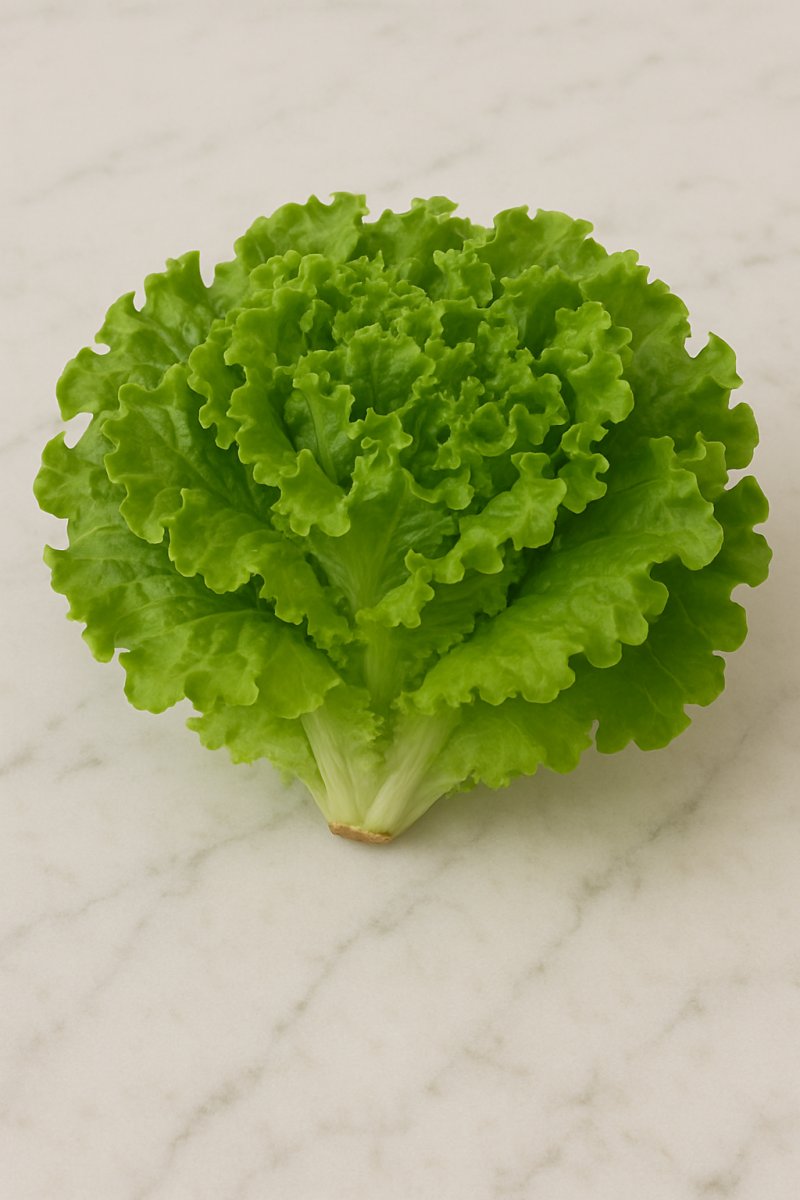
Availability and types of salad
Salad is a very popular ingredient that can be found almost year-round in supermarkets, weekly markets or nurseries. It is grown in many countries and different climate zones. Some varieties prefer cool temperatures and are grown in autumn and spring, others tolerate heat and thrive in summer. That means: there is always a time and place where fresh salad grows and is harvested.
Origin and growing regions
Salad originally comes from the Mediterranean region, where people have eaten it for a very long time. Today salad is grown worldwide. In Europe, countries such as Spain, Italy, France and the Netherlands are major producers. In warmer months salad often comes from southern Europe; in winter greenhouses in northern Europe or vegetable production in countries with mild climates supply the produce. Salad is also extensively cultivated in North America, South America and Asia. Many cities also have small nurseries or community gardens where salad grows fresh on site.
Salad originally comes from the Mediterranean region, where people have eaten it for a very long time. Today salad is grown worldwide. In Europe, countries such as Spain, Italy, France and the Netherlands are major producers. In warmer months salad often comes from southern Europe; in winter greenhouses in northern Europe or vegetable production in countries with mild climates supply the produce. Salad is also extensively cultivated in North America, South America and Asia. Many cities also have small nurseries or community gardens where salad grows fresh on site.
Available varieties and types
Salad is by no means a single plant. There are many different varieties that differ in shape, taste, color and texture. Here are the main groups, simply explained:
Salad is by no means a single plant. There are many different varieties that differ in shape, taste, color and texture. Here are the main groups, simply explained:
- Head lettuce (Kopfsalat) – This is the classic round head of lettuce that many know from burgers or sandwiches. It feels soft and has a mild flavor. You can cut it like a small loaf of bread and use the leaves individually.
- Romaine lettuce (Römersalat / Romanasalat) – This lettuce has elongated, firm leaves and a crunchier bite than head lettuce. It works well for dressed salads because the leaves remain sturdy.
- Leaf lettuces (Blattsalate) – These include loose-leaf types where individual leaves are harvested instead of a whole head. They come in many colors: green, red or even red-green mixes. They are often more tender and have a range of flavors, from mild to slightly nutty.
- Oakleaf lettuce (Eichblattsalat) – It has lobed leaves that resemble oak leaves. Flavor-wise it is among the mild varieties and looks attractive in a salad bowl due to its shape.
- Arugula (Rucola / Rauke) – Arugula has narrow, lobed leaves and tastes somewhat peppery or spicy. It is often used in small amounts to give a dish more bite.
- Lamb's lettuce / Corn salad (Feldsalat / Vogerlsalat) – Small, rounded leaves that are especially popular in winter. They are tender and have a mild, slightly nutty taste. They are often served as a side to warm dishes.
- Specials and mixes – Commercially available prepared salad mixes combine different varieties, for example "baby leaf" mixes where young leaves from various salad types are packaged together.
Availability and freshness
Fresh salad is identified by firm, non-wilted leaves. If salad turns yellow or appears slimy it is no longer fresh. Many vendors sell salad in plastic or paper trays to help it stay fresh longer. There is also organic salad from ecological farming, where synthetic fertilizers and pesticides are avoided – this does not automatically mean it tastes better, only that it was grown using different methods.
Fresh salad is identified by firm, non-wilted leaves. If salad turns yellow or appears slimy it is no longer fresh. Many vendors sell salad in plastic or paper trays to help it stay fresh longer. There is also organic salad from ecological farming, where synthetic fertilizers and pesticides are avoided – this does not automatically mean it tastes better, only that it was grown using different methods.
In summary: salad is versatile and widely available. Whether from open fields in summer, from greenhouses in winter or as a small plant from your own garden — there is a suitable variety for every taste and season. That way you can always add something green and fresh to your meal.
