Menu & categories

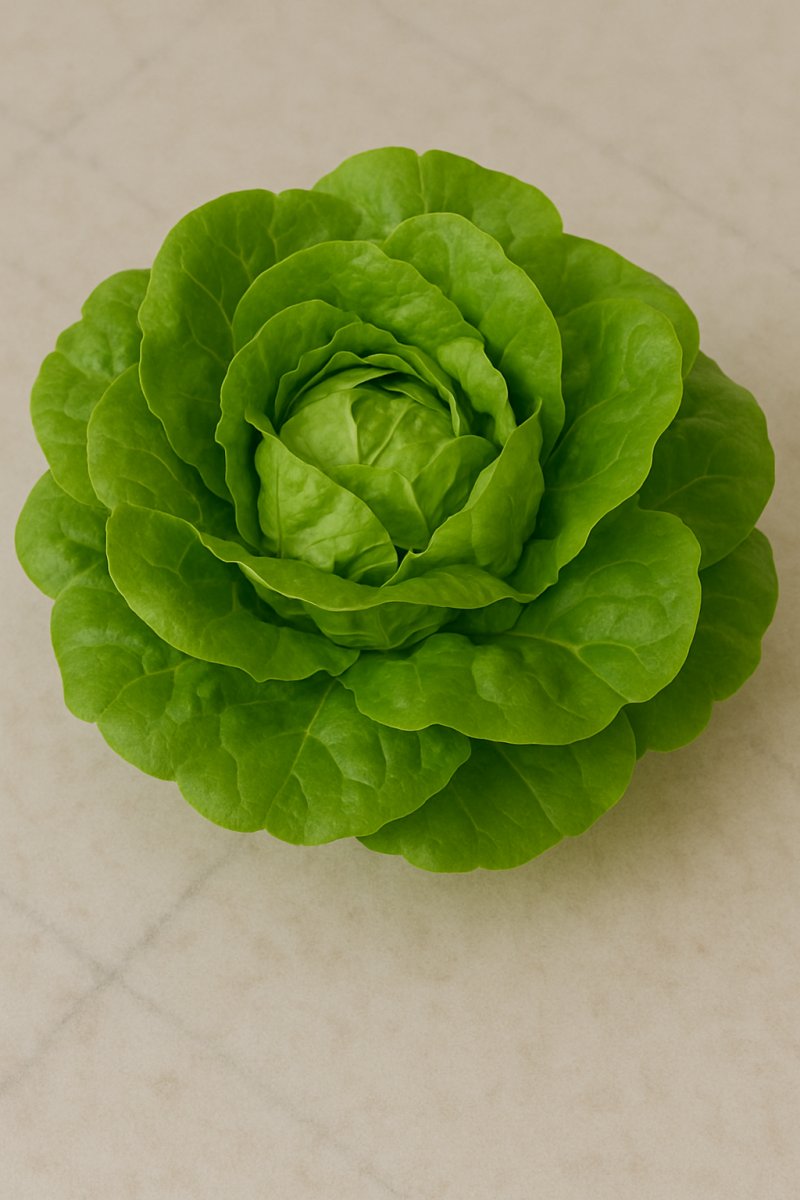
Head lettuce

Light leaf salad – crisp and refreshing

Wiki about lettuce Nutri-Score A Vegan Yes Gluten-free Yes Lactose-free Yes Nut-free Yes
NUTRITION / 100 g
15 kcal 1.3 g Protein 2.9 g Kohlenhydrate 0.2 g Fett

Introduction

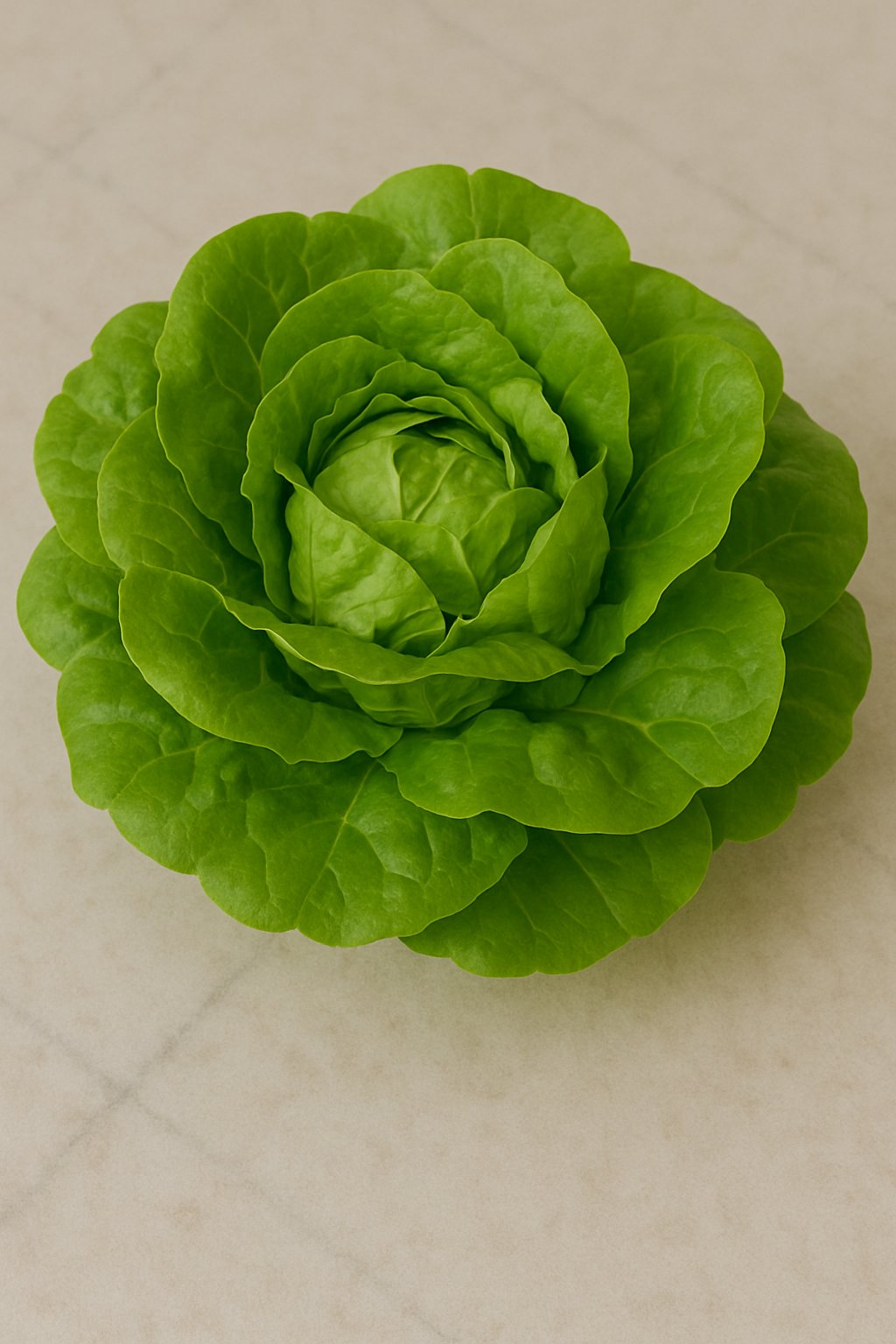
Fresh head of lettuce
Head lettuce has accompanied me since childhood: an unassuming, light-green companion that holds a permanent place in countless European kitchens. At 35, I work as an editor writing a lot about seasonal ingredients and I cook passionately in my private life; I've learned that this tender lettuce head is far more than just a bed for dressing. Head lettuce, often also called butterhead, scores with a mild flavor, a fine buttery texture and a versatility that makes it convincing in salad bowls, sandwiches and even warm dishes. Its round, soft leaves nestle closely together, which makes it particularly juicy and tender.

In many European vegetable gardens head lettuce attracts attention in spring and early summer. Its cultivation is surprisingly uncomplicated: it loves loose, humus-rich soils and moderate temperatures. A colleague of mine who tends his balcony bed swears by sowing every two weeks so he can harvest fresh heads continuously. The joy is noticeable every time he sends me a photo of the plump, glistening leaves covered in morning dew. That shows: head lettuce is not just a food, but a seasonal ritual that creates closeness to nature.

When shopping I look for compact heads with fresh, undamaged leaves and a juicy core. The cooler and more humid the storage, the longer the delicate structure is preserved. At home I like to wrap the head lettuce in a slightly damp kitchen towel and store it in the vegetable drawer. That keeps it crisp without wilting. My neighbor, who works in a large kitchen, gave me the tip to cut the core slightly and set the head briefly in cold water when the leaves tire. After a few minutes they look lively again, as if the lettuce had just been harvested.

From a nutritional point of view head lettuce is light, digestible and surprisingly versatile. It provides water, fiber and a range of micronutrients. Besides folate, vitamin K and some vitamin C, it contains secondary plant compounds which, combined with the fiber, contribute to a pleasant freshness in the diet. Those who plan their diet consciously will find in head lettuce an ideal

Availability & types

Availability and types of head lettuce

Head lettuce, often simply called “lettuce head”, is one of the most popular leaf lettuces worldwide. It belongs to the large family of Asteraceae and has been cultivated as a vegetable for centuries. If you see a round, compact head with tender, light-green leaves at the supermarket or farmer's market, it is most likely head lettuce. It tastes mild, is crunchy and pairs well with many dishes – from a simple sandwich to a colorful salad plate.

Origin and cultivation

Head lettuce originally derives from wild lettuce, which occurred around the Mediterranean, in Western Asia and parts of Europe. The ancient Romans already knew and appreciated lettuces. Over the centuries gardeners and farmers have bred many varieties that are today grown in most European countries, in North America and parts of Asia. Head lettuce grows best in temperate climates – that means: not too hot and not too cold. It prefers cool temperatures and plenty of light. In intense summer heat it quickly bolts (this is called “bolting”) and becomes bitter. Therefore it is often harvested in spring and autumn.

Year-round availability

Fresh head lettuce is available in many regions almost year-round, but the best time is usually from spring to early summer and again in early autumn. Modern greenhouse production and protected open-field cultures significantly extend the season. You will therefore often find head lettuce in supermarkets all year – either grown locally in season or imported when it is too cold outside. Look for crisp, juicy leaves and a fresh smell. Limp, spotted or brown leaves are a sign that the lettuce is no longer very fresh.

Why the season matters

In peak season head lettuce usually tastes best, costs less and often comes from the region. This is good for the environment because transport distances are shorter. Also, heads in season are often particularly tender and flavorful. Out of season, greenhouses and warmer growing regions take over supply so you can have lettuce even in winter
Details & nutrition

Property Value
Unit g
Average weight per piece 350
Calories per 100 15
Protein per 100 1.3
Carbohydrates per 100 2.9
Sugar per 100 1.2
Fat per 100 0.2
Saturated fat per 100 0.03
Monounsaturated fat 0.01
Polyunsaturated fat 0.09
Fiber per 100 1.3
Vitamin C (mg) per 100 9
Vitamin D (IU) per 100 0
Calcium (mg) per 100 35
Iron (mg) per 100 1.0
Nutri-Score A
CO₂ footprint 0.2 kg CO2e/kg
Origin Europe, regional seasonal Spring–Summer
Gluten-free Yes
Lactose-free Yes
Nut-free Yes
Vegan Yes
Note May contain traces of allergens due to cross-contamination in retail; very high in water and low in calories.

Technical & scientific information

Head lettuce (Lactuca sativa var. capitata) is a historically and agriculturally significant cultivated variety of the genus Lactuca within the Asteraceae family. It is characterized by a rosette habit with a compact, usually round to slightly oval head structure formed by closely overlapping leaves. The plant is annual to biennial, producing the edible leaf mass in the first year and, in the second year – under vernalization and sufficient daylength – entering the generative phase with bolting and flowering. Botanically, head lettuce is classified among leafy vegetables and is cultivated worldwide in temperate climates.

Botany and morphology:
Leaves are tender, thin and often slightly wavy, varying by variety from light green to yellow-green, occasionally with reddish pigmentation. Leaf tissue displays a high water content and a relatively low fiber and lignin content, which explains the tender texture. The core (hypocotyl/neck) is short and juicy; subsequent bolting leads to development of a hollow inflorescence stalk. Flowers are the typical capitula of Asteraceae, yellowish and autogamous to facultatively allogamous, with pollination mainly by insects. Fruits are achenes with a pappus, adapted for wind dispersal.

Origin and breeding:
Head lettuce originates from the Mediterranean region and was domesticated from wild lettuce (Lactuca serriola). Breeding goals included head stability, delayed bolting, resistance to downy mildew (Bremia lactucae) and aphids (Nasonovia ribisnigri), as well as sensory traits such as tenderness and mild bitterness. Modern varieties are often marketed as F1 hybrids and are optimized for specific cultivation windows with defined temperature and daylength ranges.

Site and cultivation conditions:
Head lettuce prefers cool temperatures between 10 and 18 °C. Germination is optimal at 15–20 °C; temperatures above 25 °C can inhibit germination and increase bolting tendencies. The soil should be loose, humus-rich

Wiki entry for: lettuce
Active now: 6 visitors of which 2 logged-in members in the last 5 minutes