Menu & categories

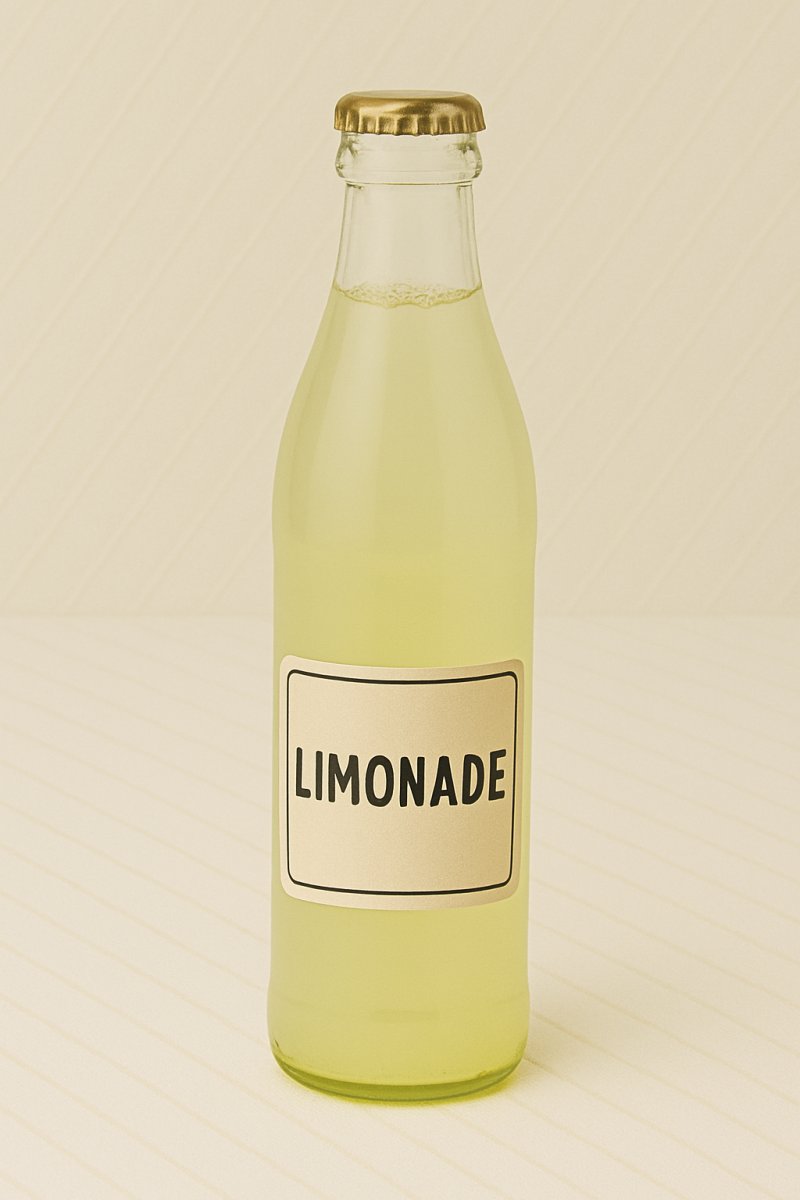
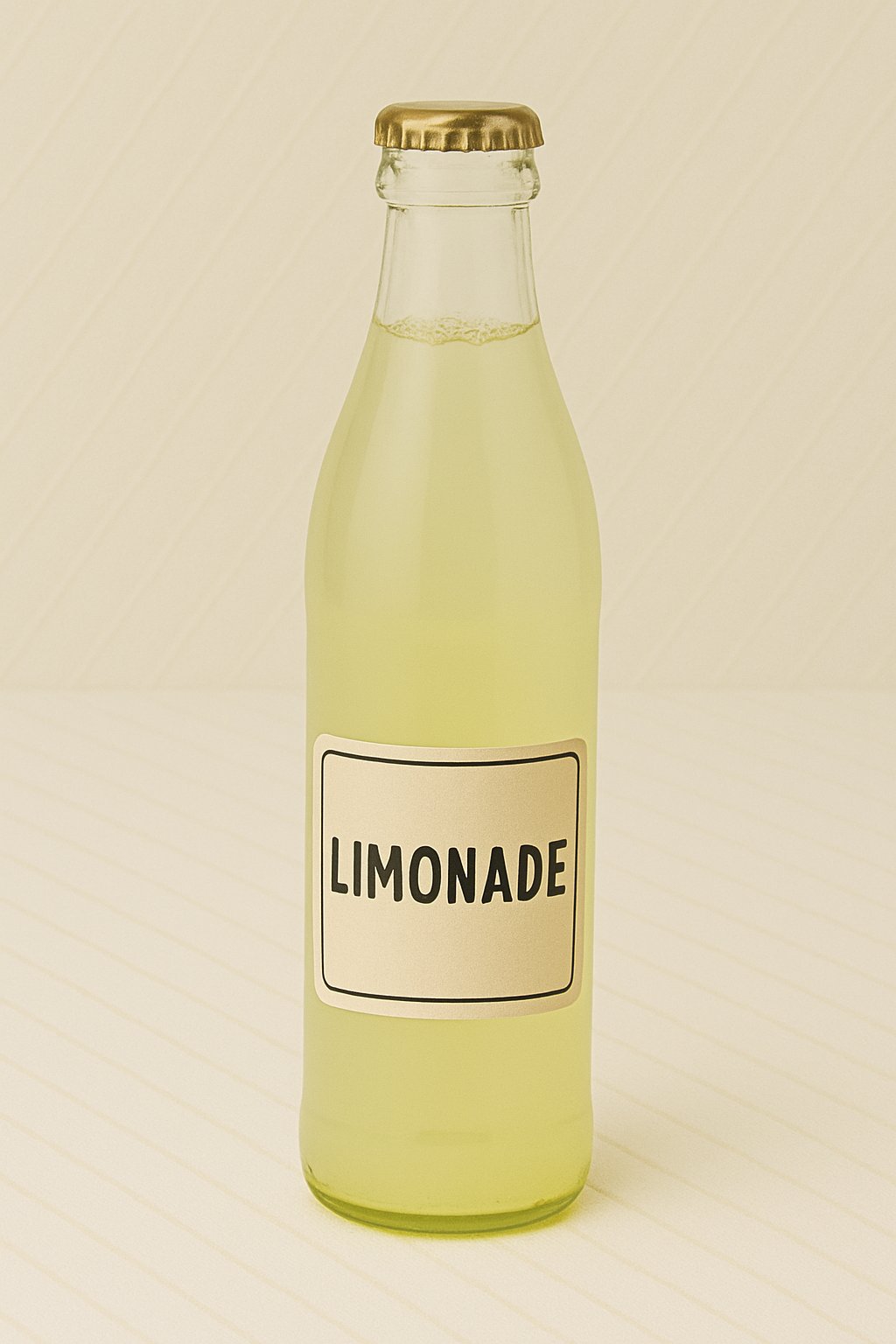
Lemonade

Sparkling refreshing drink with sugar and lemon or fruit flavour.

Wiki about lemonade Nutri-Score E Vegan Yes Gluten-free Yes Lactose-free Yes Nut-free Yes
NUTRITION / 100 ml
42 kcal 0.0 g Protein 10.6 g Kohlenhydrate 0.0 g Fett

Introduction

Glass of lemonade with ice and lemon
I love lemonade — not only as a fizzy refreshment on hot days, but also for the small stage it gets in the kitchen. For me lemonade is more than a ready-made bottled drink: it is an aromatic interlude between citrus, sweetness and sometimes a hint of herbs that can brighten dishes or rescue an afternoon. I still remember a summer day when an improvised carafe of cold lemonade turned a rainy picnic into something jaunty; since then I associate the scent of lemon peel with small moments of joy.

What I particularly appreciate about lemonade is its versatility. It can be as simple as water, lemon juice and sugar, or as complex as a syrup base flavored with lavender or rosemary. A colleague once brought homemade ginger lemonade to a coffee break; the subtle spiciness matched surprisingly well with sweet snacks and immediately became a topic of conversation. Such small experiments show: lemonade is an ideal base for creative combinations.

When I prepare lemonade, I pay attention to three things: fresh citrus, the right balance of sweet and sour, and the temperature. A few ice cubes, a sprig of mint and a thin lemon slice are often enough to make a simple mix special. For special occasions I like to add some sparkling water to liven up the texture.

Practical uses I often employ:

  • As a refreshing drink on its own or with herbs
  • For making marinades for fish and poultry
  • As a base for cocktails or mocktails
  • To refine desserts like sorbet or panna cotta
In the end lemonade is a small culinary chameleon: uncomplicated, yet with the potential to elevate dishes and gatherings. When I have guests, it is often the first thing I serve — a simple, honest start to a successful afternoon.

Availability & types


Availability and types of the ingredient lemonade

What is lemonade and where does it come from?
Lemonade is a refreshing drink usually made from water, sugar and lemon juice or lemon flavor. It often also contains carbon dioxide — those are the tiny bubbles that tingle when you drink. The idea of mixing lemons with water has existed for a very long time. Lemons originally come from warmer regions such as the Mediterranean, the Middle East and South Asia. Lemonade itself was invented independently in different countries, because people everywhere made thirst-quenching drinks from the ingredients they had on hand.

Growing regions of the main ingredients
To make lemonade you mainly need two plant-based raw materials: lemons and sugar.

  • Lemons: Grow mainly in warm regions. Typical growing areas are the Mediterranean (e.g. Spain, Italy), California and Florida in the USA, South America (e.g. Argentina, Brazil), South Africa, Australia and parts of Asia. You can also grow lemons in pots in the warmer parts of Germany, but in small quantities.
  • Sugar: Is obtained from sugar beet (in cooler regions like Europe) or sugar cane (in warmer regions like Brazil, India). Both plants provide the sweet ingredient for lemonade.
Where can you buy lemonade and when is it available?
Lemonade can be found practically everywhere: in supermarkets, at gas stations, in cafés, at snack stands, at festivals and in many restaurants. In hot summer months lemonade is especially popular, so you see it more often at street stalls or ice-cream cafés. It is available year-round, but fresh homemade versions are usually offered in spring and summer.

What varieties and variants exist?
Lemonade is very versatile. You can think of it like a modular system: water + sweet + lemon or other fruits = many variants.

  • Classic lemon lemonade: Simple and well-known – water, sugar, lemon juice. Often fizzy due to carbonation.
  • Clear vs. cloudy lemonade: Some drinks are transparent like mineral water with lemon, others are cloudy because they contain real lemon juice or pulp (as in homemade lemonade).
  • Fruit lemonades: Strawberry, raspberry, lemon-lime, orange, elderflower and many more. Other fruit flavors or juices are added here.
  • Sugar-free variants: “Light” or “Zero” contain sweeteners instead of sugar, thus fewer calories.
  • Organic and regional lemonades: Made from ingredients from organic farming or local sources — for people who want to pay attention to how the ingredients were grown.
  • Concentrate, syrup and ready-to-drink products: You can buy lemonade as a ready bottle, as a syrup to mix with water, or prepare it fresh.
  • Non-alcoholic cocktails and mixed drinks: Lemonade is often used as a base to mix special drinks — e.g. with ginger, mint or cucumber.
Summary
Lemonade is available everywhere and highly adaptable: from simple lemon lemonade to elaborate fruit blends and sugar-free or organic variants. Main ingredients like lemons and sugar come from different parts of the world, so lemonade can be offered year-round. Whether from a bottle, in a glass or homemade — lemonade can be easily adjusted to personal taste and that is why it is so popular.
Details & nutrition

Property Value
Unit ml
Calories per 100 42
Protein per 100 0.0
Carbohydrates per 100 10.6
Sugar per 100 10.6
Fat per 100 0.0
Saturated fat per 100 0.0
Monounsaturated fat 0.0
Polyunsaturated fat 0.0
Fiber per 100 0.0
Vitamin C (mg) per 100 0.0
Vitamin D (IU) per 100 0
Calcium (mg) per 100 2
Iron (mg) per 100 0.0
Nutri-Score E
CO₂ footprint 0.02 kg CO2e/100 ml
Origin Germany
Gluten-free Yes
Lactose-free Yes
Nut-free Yes
Vegan Yes
Note Nutritional values refer to classic sugared lemonade; Light/Zero variants may differ significantly.

Technical & scientific information


Lemonade in food chemistry refers to a carbonated or still refreshing beverage based on water, primarily composed of water, sweeteners and flavorings. In Europe and German-speaking areas the term covers both simple lemon lemonade and a variety of industrially produced flavored drinks. Chemically, lemonade is a multiphase aqueous system whose sensory properties (taste, smell, effervescence) are determined by composition and dissolved gases.

Typical ingredients include:

  • Water as the main component (usually >85 %).
  • Sweeteners such as sucrose, high-fructose corn syrups (HFCS) or low-calorie sweeteners (aspartame, sucralose, stevia).
  • Acidulants primarily citric acid (citrate), which determines taste and shelf life.
  • Carbon dioxide (CO2) in carbonated variants, responsible for the tingling effect.
  • Flavorings (essential oils, natural fruit juices, nature-identical flavorings).
  • Preservatives such as sodium benzoate or potassium sorbate, and possibly colorants and additives.
Chemical composition influences pH and stability. Industrial lemonades typically show a pH in the range of about 2.5 to 4, with citric acid (pKa1 ≈ 3.13) as the main proton-donating component. The acid concentration (titratable acidity) is often 0.2–0.6 % (w/w) as citric acid equivalents and serves, in addition to flavor, also as an inhibitor for many microorganisms.

Nutrition facts vary widely: classic sugar-sweetened lemonades usually contain 8–12 g of sugar per 100 ml, corresponding to about 32–48 kcal per 100 ml. Light variants reduce energy by artificial sweeteners practically to 0–5 kcal/100 ml. Sugary drinks are a significant source of rapid carbohydrates in the diet.

Production and processing methods can be simplified into the following steps:

  • Water treatment (filtration, degassing).
  • Mixing water with sweetener, acid and flavors under controlled temperature.
  • Pasteurization or aseptic processing to achieve microbiological stability.
  • Carbonation by dissolving CO2 under pressure according to Henry’s law (higher pressure → higher solubility).
  • Filling into bottles or cans under sterile conditions.
Microbiology and shelf life: The low pH and high sugar content restrict many pathogenic bacteria, yet yeasts and some acid-tolerant microorganisms can be potential spoilage factors. Pasteurization, sterile filling or addition of preservatives extend shelf life.

Health aspects are mainly related to sugar content and acidity. Regular consumption of sugar-sweetened lemonades increases the risk of dental caries, overweight and metabolic diseases. The acidic environment promotes tooth enamel erosion. Use of sodium benzoate in combination with ascorbic acid (vitamin C) can, under unfavorable conditions, lead to trace benzene formation; modern formulations and regulatory limits minimize this risk. Artificial sweeteners are evaluated for groups with special needs, while long-term metabolites continue to be monitored scientifically.

Regulatory and labeling notes require a complete ingredient list, nutritional information and declaration of additives according to EU or national regulations. Maximum levels for preservatives and colorants are set.

Lemonade is therefore a technically simple but chemically and microbiologically complex product, whose properties are governed by composition, processing and storage conditions, while health effects primarily depend on consumption amount and formulation.

Wiki entry for: lemonade
Active now: 24 visitors of which 2 logged-in members in the last 5 minutes