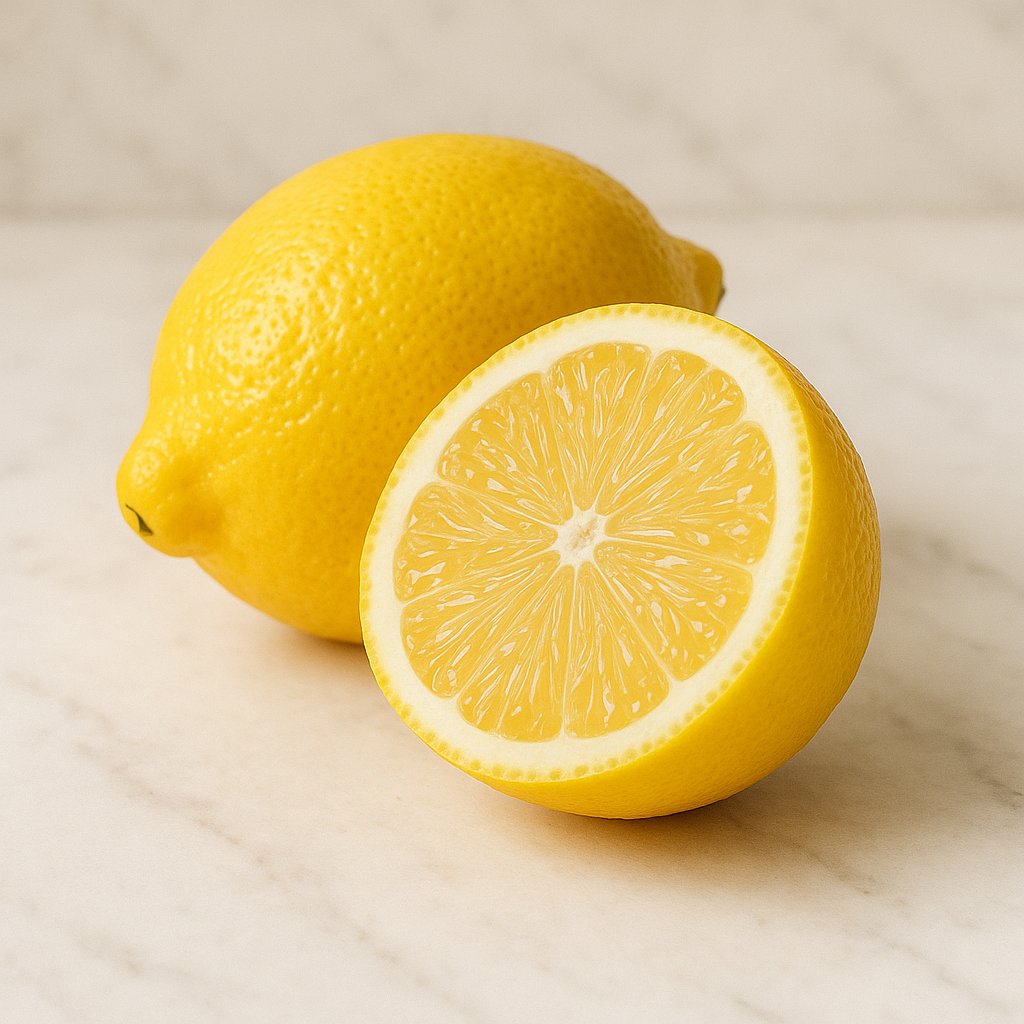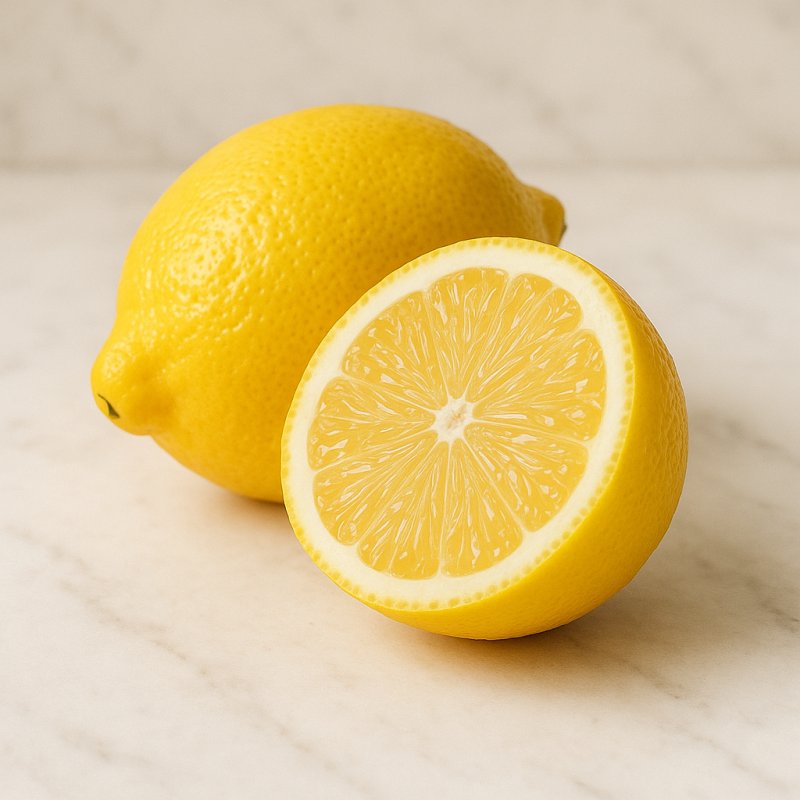
Availability and types of lemon can vary widely. A lemon is a round, yellow fruit with a sour taste, used in many kitchens around the world. Here I explain where lemons come from, where they grow, which varieties exist and how you can buy them — all explained simply so a 12‑year‑old can understand easily.
Origin
Lemons originally come from Asia, probably from the area between India and China. Over many years people carried the plant to other countries. Thus lemons became a familiar fruit in Europe, Africa and America. You can imagine it like a favorite toy that gets passed around and becomes known in many places.
Growing regions
Lemons grow best where it is warm and winters are not too cold. Important growing regions include:
- Mediterranean (Spain, Italy, Greece) — supplying many lemons for Europe.
- USA (especially California, Florida) — where many lemons are also grown.
- South America (e.g. Argentina) — exports lemons to other parts of the world.
- Asia (India, Turkey) — countries with a long lemon tradition.
You can find lemons year‑round because different regions harvest at different times. It’s like people in different time zones: somewhere it’s always daytime.
Varieties and types
There are many lemon varieties. Each variety has its own taste, shape and peel. Here are some well‑known examples, explained simply:
There are many lemon varieties. Each variety has its own taste, shape and peel. Here are some well‑known examples, explained simply:
- Eureka — the classic supermarket lemon: juicy, with pronounced acidity.
- Lisbon — similar to Eureka, often with a slightly thinner peel and possibly many seeds.
- Meyer — a bit sweeter and milder than other lemons; it almost feels like a mix between lemon and orange.
- Verna — a Spanish variety that is large and juicy.
- Sorrento / Femminello — known for fragrant peel, often used for limoncello and baking.
In addition to varieties there are variants and related fruits:
- Organic lemons — grown without synthetic pesticides.
- Unwaxed — the peel is not coated with wax; good if you want to grate the peel.
- Concentrate, juice, peels — bottled lemon juice, frozen juice or dried peels are practical when fresh fruit is not available.
Availability in stores
Lemons are usually available year‑round in supermarkets. In spring and summer more fresh varieties are often available; in autumn and winter lemons come from warmer countries. When buying, look for firm skin and weight: a juicy lemon feels heavy for its size. Organic lemons sometimes cost more because they are grown more sustainably.
Lemons are usually available year‑round in supermarkets. In spring and summer more fresh varieties are often available; in autumn and winter lemons come from warmer countries. When buying, look for firm skin and weight: a juicy lemon feels heavy for its size. Organic lemons sometimes cost more because they are grown more sustainably.
In summary: lemons originally come from Asia, are now grown in many warm regions and are almost always available. There are different varieties such as Eureka, Lisbon and Meyer, which differ in taste and peel. You can buy fresh lemons, juice or peels — depending on whether you want to cook, bake or flavor a drink. Each variety has its own little character, similar to different apple varieties, so you can easily find the lemon you like best.