Availability and types
Lemon balm is a very widespread and popular plant found in almost every part of the world. It originally comes from southern Europe and western Asia, but today it is cultivated in many countries. You can grow it in the garden, on the balcony, or in pots on the windowsill. This is because lemon balm is not very demanding: it likes sunny to partially shaded spots and ordinary garden soil. If you imagine the plant, it's about as easy to care for as a potted herb that should be watered regularly but must not sit too wet.
Growing regions
- Europe: In countries like Germany, France and Italy lemon balm is commonly grown in gardens and herb beds. The climate is usually well suited.
- Asia: In parts of western Asia the plant is native and is still cultivated.
- North America: Lemon balm is also grown in the USA and Canada in home gardens and commercially.
- Other regions: Because it is hardy, it can now be found worldwide as long as temperatures are not too extreme.
Available varieties and types
Lemon balm does not come in only one version. There are different varieties that vary somewhat in appearance, scent or growth. Here are some simple descriptions of the common variants:
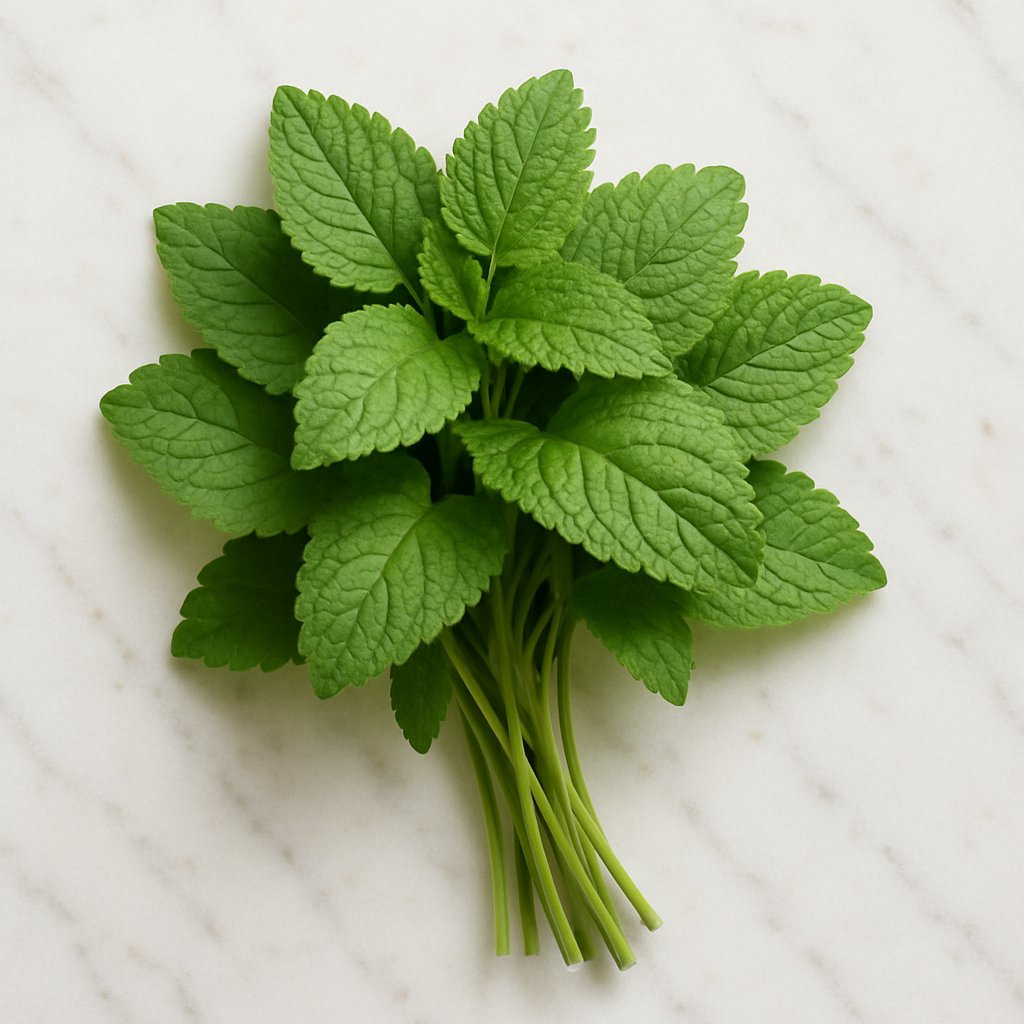
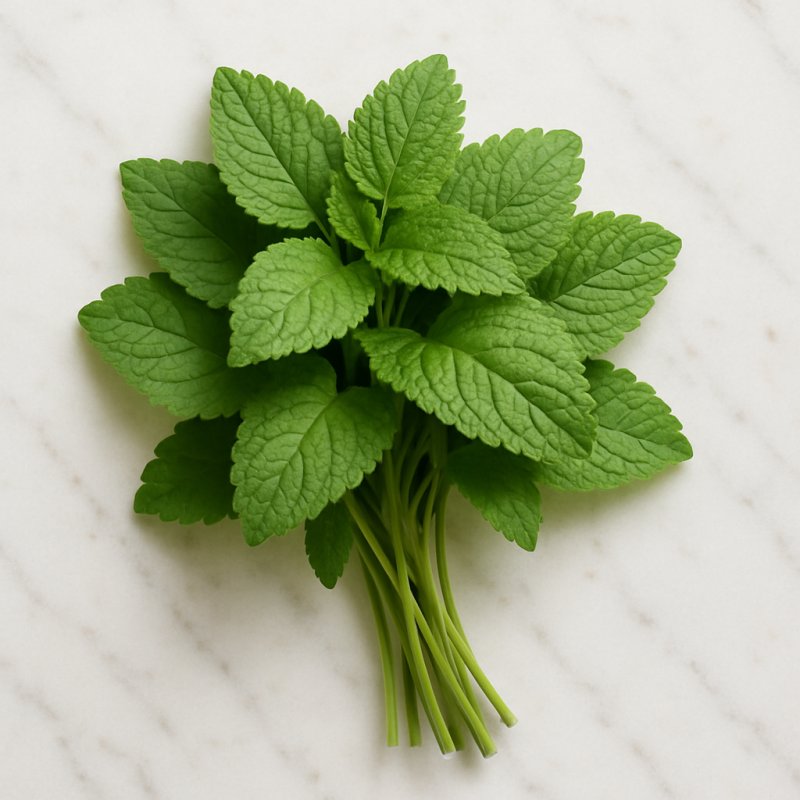
- Wild form / common lemon balm: This is the normal, most common variety. It has green leaves and the typical fresh lemon scent. It grows bushy and is often planted in gardens.
- Varieties with different leaf sizes: Some varieties have larger leaves, others smaller ones. Large leaves are practical if you want to harvest a lot for cooking or tea; small leaves are nicer for decoration.
- Variegated or bicolored varieties: There are lemon balm plants with lighter or two-colored leaves (this is called "variegated"). These look especially decorative in an herb bed and are an attractive sight on the balcony.
- More strongly scented varieties: Some variants give off a more intense lemon smell. This is especially nice when you tear fresh leaves, put them in tea or use them in desserts.
- Wild relatives: There are plants that look similar to lemon balm but smell different or have slightly other properties. Therefore it is always good to smell them to be sure it is lemon balm.
Where and how to get lemon balm?
- Garden centers and DIY stores: There are often young potted plants that can be planted directly in the garden.
- Supermarkets and weekly markets: Fresh leaves are sometimes sold in small bunches, similar to parsley or basil.
- Online shops: Seeds, plants and dried leaves can also be ordered on the internet.
- Grow your own: Lemon balm grows easily from seed or small cuttings (parts of a plant); it often propagates itself.
In summary: lemon balm is widespread and easy to obtain. There are simple and decorative varieties, you can grow it in many countries and it is suitable for gardens, pots or quick use in the kitchen. When choosing a plant pay attention to scent and leaf size — this helps you find what you need for tea, cooking or as a pretty balcony plant.