Menu & categories

Lean lamb meat

Lean, protein-rich lamb meat with moderate fat content

Wiki about lean mutton Nutri-Score D Vegan No Gluten-free Yes Lactose-free Yes Nut-free Yes
NUTRITION / 100 g
170 kcal 21 g Protein 0 g Kohlenhydrate 9 g Fett

Introduction

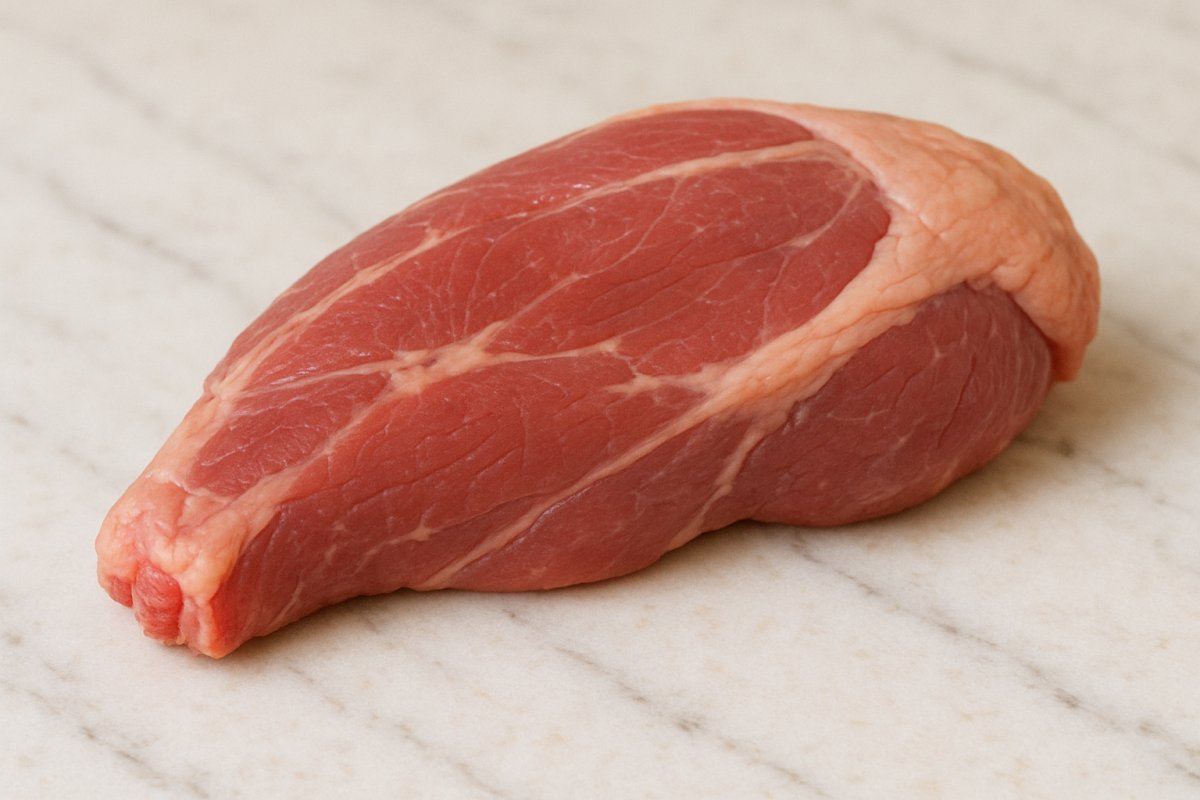
Raw lean lamb meat on a cutting board
I still remember the day I consciously bought lean mutton for the first time: a market stall that smelled of spices and fresh hay, and a friendly vendor who explained that lean mutton is wonderfully versatile. Since then this ingredient has stayed with me. It has a robust flavor, yet is surprisingly tender, and suits both simple everyday dishes and festive menus.

What fascinates me about lean mutton is the balance between seasoning and body. Unlike some fattier cuts, lean mutton feels light and can withstand strong marinades without losing its own identity. I learned that it pairs excellently with herbs like rosemary, thyme and mint, but also works well with spicy blends such as Ras el Hanout or Harissa.

Practical insights that helped me achieve better results:

  • Cutting: Cut lean mutton into even pieces so it cooks evenly.
  • Marinating: A short yogurt- or lemon-based marinade is often enough to enhance tenderness and flavor.
  • Cooking methods: Braising, grilling and slow roasting are ideal techniques; when quickly seared it stays juicy, but at too high heat it can become tough.
A colleague once served a simple mutton stew at a winter celebration, and I was amazed at how quickly guests guessed the origin of the meat – not because of an obvious note, but because of the clear, earthy depth the dish carried. Moments like that remind me how much ingredients can tell stories: of pastures, of traditional spice-basin treatments and of home kitchens that treat raw materials with respect.

Finally a personal tip: when I have time I like to prepare lean mutton the night before. Let it rest overnight, gently warm it the next day and finish with fresh herbs and a lemon zest. The result is a dish that tastes like home yet is surprisingly light.

Availability & types

Availability and types of mutton (lean)

Mutton refers to meat from adult sheep. When lean mutton is mentioned, it means the meat has little fat. This makes it lighter and often healthier than fattier cuts. You can find lean mutton in many regions worldwide because sheep are raised almost everywhere – in small villages as well as on large farms.

Origin and farming regions

Sheep live in many different countries. Mutton often comes from:

  • Europe: Countries like Spain, Scotland or Ireland are known for sheep farming. There the animals often graze on green pastures.
  • Asia: In countries such as Turkey, Iran or India sheep are also widely kept. The animals there are adapted to varied climates.
  • Africa and Australia: In Australia and New Zealand there are huge sheep flocks. Meat production is a major economic sector there.
Why does this matter? Imagine sheep are like plants growing on different soils: depending on where they live and what they eat, the meat tastes slightly different. Sheep grazing on lush meadows often develop a different flavor than those living in drier areas.

Available cuts and variants

Lean mutton is not available in just one form. Here are the main types explained simply:

  • Leg (shank): This is a large piece from the hind leg. It is lean and suitable for roasting or braising. It can be treated like a large roast.
  • Leg steak / chop: These are slices from the leg or rib area. They cook quickly and remain juicy if not overcooked.
  • Shoulder: The shoulder often yields lean meat that is good for braising, i.e., slow cooking with liquid. This makes it tender.
  • Minced meat: Lean minced mutton is practical for dishes like meatballs, burgers or stuffed peppers. It is easy to season.
  • Goulash pieces: Small pieces suitable for stews or goulash. Because they are lean, you should allow some liquid and time when cooking so they don't dry out.
There are also differences in labeling:

  • Fresh: Sold well chilled in the shop soon after slaughter.
  • Frozen: Longer shelf life, practical if you want to keep a supply at home.
  • Organic: Sheep from ecological farming: more space, natural feeding. For some people this is important.
Where to get lean mutton?

You can find it in supermarkets, at the butcher or at the weekly market. At the butcher you can often ask more precisely how lean the cut is or whether it comes from a specific region. The label in the shop sometimes states the country of origin and whether it is organic. If you order online, information about the farm or the breed of the animals is often provided.

In summary: Lean mutton comes from many countries, there are different cuts such as leg, shoulder or minced meat and you can choose between fresh, frozen or organic. Depending on the origin and how the sheep were kept, the taste can vary slightly – similar to apples: an apple from the garden tastes different from one from the market, even though both are apples.
Details & nutrition

Property Value
Unit g
Calories per 100 170
Protein per 100 21
Carbohydrates per 100 0
Sugar per 100 0
Fat per 100 9
Saturated fat per 100 3.5
Monounsaturated fat 3.2
Polyunsaturated fat 0.8
Fiber per 100 0
Vitamin C (mg) per 100 0
Vitamin D (IU) per 100 20
Calcium (mg) per 100 10
Iron (mg) per 100 2
Nutri-Score D
CO₂ footprint 25
Origin Varies by country of origin; typically Europe or the Middle East
Gluten-free Yes
Lactose-free Yes
Nut-free Yes
Vegan No
Note Nutritional values refer to raw, lean lamb meat without visible fat and without bones.

Technical & scientific information

Lean mutton refers to the meat from adult male sheep (wethers), which has a comparatively low fat content. Unlike lamb, mutton comes from older animals and therefore shows characteristic differences in texture, flavor and nutrient composition. Lean mutton includes cuts such as leg, shoulder or loin without visible fat layers and is valued in many cuisines for its aromatic, slightly tangy-spicy taste and its relatively high protein content.

Chemical composition and constituents
Lean mutton consists mainly of water, proteins, lipid components and small amounts of carbohydrates and inorganic constituents. Typical values per 100 g of lean mutton are about 20–25 g protein, 2–8 g fat and 60–75 g water. The amino acid composition is complete, meaning all essential amino acids are present, making mutton a high-quality protein source. Mineral salts include primarily iron (often in higher concentration than in poultry), zinc and phosphorus. In addition, mutton contains B vitamins, notably vitamin B12, niacin (B3) and pyridoxine (B6).

Fat composition
Even lean mutton contains intramuscular fat, whose fatty acid profile is influenced by species, age, feeding and husbandry. The fat consists of saturated fatty acids (SFA), monounsaturated fatty acids (MUFA) and polyunsaturated fatty acids (PUFA). Compared with beef, mutton fat may have a higher proportion of certain unsaturated fatty acids and conjugated linoleic acid (CLA), which is nutritionally interesting. Nevertheless, total fat and the proportion of saturated fatty acids should be considered in a heart-healthy diet.

Nutritional values and energy content
The energy value of lean mutton typically ranges between 120 and 200 kcal per 100 g, depending on the precise fat content. Proteins provide about 4 kcal/g and fats about 9 kcal/g. Due to the high protein content, lean mutton is suitable for meeting protein needs with moderate calorie intake. The high bioavailability of iron and zinc makes it particularly valuable for population groups with increased needs (e.g., older people, women of childbearing age).

Processing methods and culinary aspects
Lean mutton can be used as roast, braising meat, steak or diced for stews. Tender cuts are suitable for quick frying or grilling, while tougher parts become tender through slow braising or marinating. Marinades with acids (e.g., yogurt, lemon juice) and enzymes (e.g., from papaya) affect proteins and can soften the texture. Heat treatment alters proteins: denaturation leads to coagulation and water loss, which increases meat firmness and releases flavors. From a hygiene perspective, sufficient core temperature must be reached to inactivate pathogenic microorganisms.

Health aspects
Lean mutton provides essential nutrients, contributes to satiety and supports muscle growth and maintenance. The micronutrients present, such as heme iron, are well absorbed and can help prevent iron-deficiency anemia. On the other hand, regular consumption of red meat requires attention to total intake of saturated fatty acids and cholesterol, since high amounts are associated with an increased risk of cardiovascular disease and certain cancers. From a nutritional science viewpoint, moderate consumption of red meats within a balanced, fiber-rich diet is recommended.

Safety, storage and labeling
Fresh lean mutton should be stored chilled at 0–4 °C and consumed within a few days or frozen. Freezing largely preserves nutrients, although freezing storage can affect texture due to crystallization. Pay attention to labels indicating origin, husbandry and slaughter date; organic or pasture-based systems can influence fat profile and veterinary residue levels. For processed products, ingredient lists and additives should be checked.

Lean mutton is a valuable animal protein source with a specific nutrient profile that offers both nutritional benefits and consumer health considerations. Choosing lean cuts, gentle preparation and a balanced diet help to make the most of this food's positive properties.

Wiki entry for: lean mutton
Active now: 20 visitors of which 2 logged-in members in the last 5 minutes