Menu & categories

Lattella

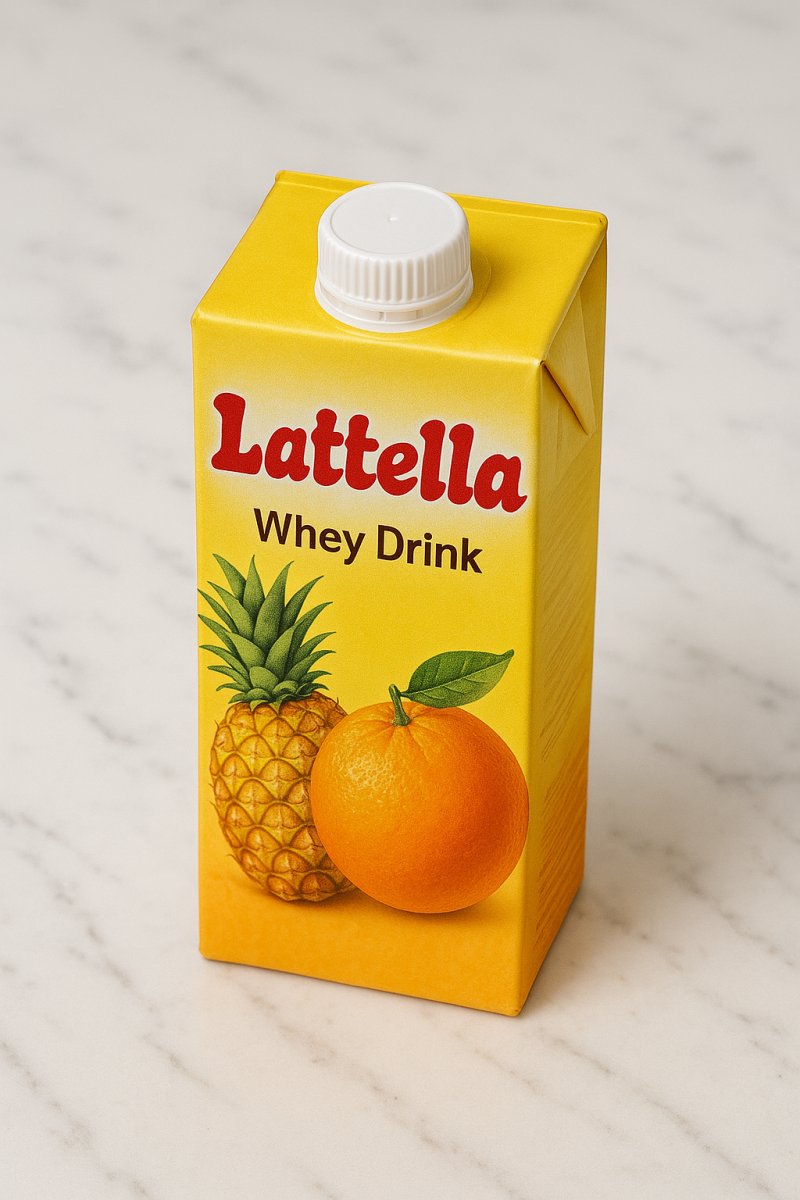
Milk-based drink with a yogurt base – creamy and fruity.

Wiki about Lattella Nutri-Score C Vegan No Gluten-free Yes Lactose-free No Nut-free Yes
NUTRITION / 100 ml
66 kcal 3.2 g Protein 9.8 g Kohlenhydrate 1.6 g Fett

Introduction

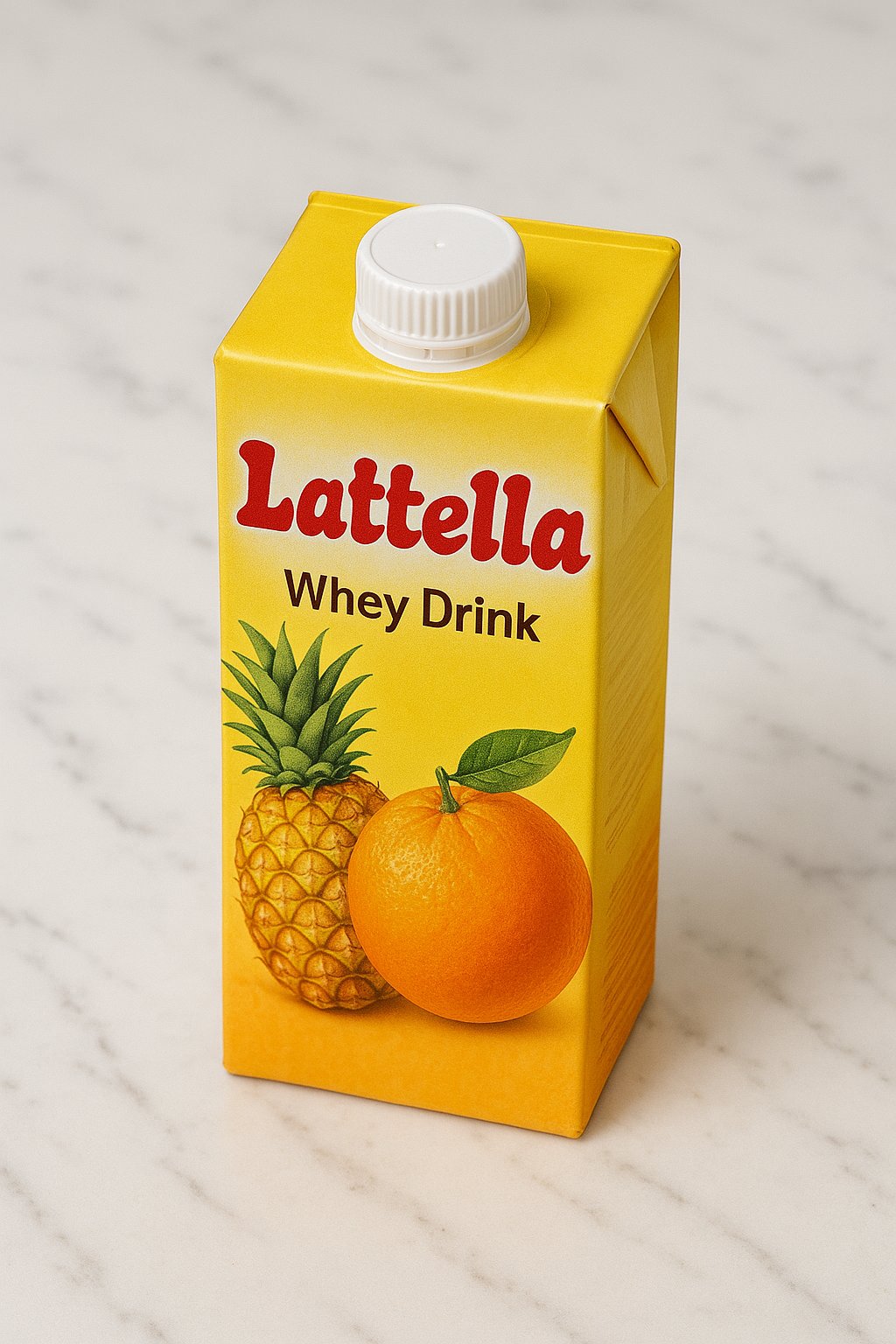
Bottle of Lattella (yogurt-milk beverage)

Lattella is for me one of those small culinary surprises you first have to try to understand why it is so distinctive. I like to describe it as a whey-based refreshing drink, combined with fruity flavors that give it a wonderfully light, slightly tangy note. The drinking experience lies somewhere between a flavored yogurt drink and a fizzy refreshment, without being heavy.

I still remember a summer day at the market when a stall handed me a small sample glass. The first sip surprised me: fresh, fruity, but with that subtle milky note that recalls farm milk or quark. A colleague of mine lovingly called it "bottled morning dew" back then – and somehow the name stuck.

Why Lattella belongs in my kitchen? Because it's versatile. It works as a refreshing thirst quencher, but it also fits surprisingly well into desserts and smoothies. I like to use it as a base for light coconut-peach smoothies or mix a few spoons into fruit curds and sorbets to make the texture creamier. At a recent brunch I replaced part of the milk in pancake batter with Lattella – the pancakes stayed fluffy and gained a delicate fruity note.

A few practical ideas on how to use Lattella:

  • As an ice-cube base for flavored drinks
  • In a smoothie with banana and oats
  • As a substitute for buttermilk in cakes or pancakes
  • To enhance muesli or overnight oats
I particularly appreciate the lightness: Lattella feels less heavy than cream products but has enough substance to give dishes depth. When trying it you should be open to the fine acidity that makes the drink so refreshing. For those who like to experiment, Lattella is a little secret in the fridge that subtly upgrades sweet and savory recipes and always brings a smile.

Availability & types

What is Lattella and where does it come from?
Lattella is not a vegetable or spice, but a drink that is made from whey. Whey is the thin, slightly sweet liquid that remains when milk is turned into cheese. You can imagine it like this: when milk is transformed into cheese, the solid parts become firm like a block (the cheese) and the liquid remains – this liquid is called whey. Lattella is made from this whey by cleaning it, flavoring it and sometimes sweetening or thickening it a little. Lattella originally comes from dairy production in Europe, especially from regions with many dairy farmers.


Origin and “growing areas” – what grows where?
Lattella itself is not cultivated like fruit or grain. Instead it comes from the milk delivered by cows on farms. Therefore you can say that the “origin” of Lattella is connected to places where a lot of milk and cheese are produced. These are often rural areas with many meadows, for example alpine regions in countries like Austria, Germany or Switzerland. There cows graze on lush pastures, and from the cows' milk whey is produced and then in factories the drink Lattella is made from it.
Available varieties and variants
Lattella is available in different flavors and variants so that there is something for many people. Here are some easy-to-understand examples in list form:

  • Fruity – whey with fruit flavor, for example lemon, peach or strawberry. It's like a fruity milk drink.
  • Original – the classic variant: milky and slightly sweet, as Lattella is often known.
  • Reduced sugar / Light – less sugar, similar in taste but with less sweetness.
  • Lactose-free – for people who have problems with milk sugar (lactose). Here the milk sugar is removed or split so that the stomach tolerates it better.
  • Different packaging – there is Lattella in small drinking bottles, larger bottles or cartons; some varieties are chilled in the refrigerated section, others are longer-lasting and sit on the shelf.
How and where can you get Lattella?
Lattella is available in supermarkets, many grocery stores and sometimes at petrol stations. Usually you will find it in the chilled section with other milk drinks or in the beverages department. In regions with many milk producers it is often easier to find. Sometimes Lattella is also offered in cafés or at bakeries or used as an ingredient in desserts and shakes.

Simple example: Imagine a farmer milks his cows and from the milk cheese is made. The liquid that remains is whey. From this whey a factory makes Lattella, adds flavor and fills it into bottles. That's how the drink reaches the supermarket – done!

In summary: Lattella comes from whey that is produced during cheese making, not from plants, and is therefore not dependent on cultivated land. It is easiest to find in areas with many dairy farmers and comes in many fruity and special variants so that as many people as possible can enjoy it.
Details & nutrition

Property Value
Unit ml
Calories per 100 66
Protein per 100 3.2
Carbohydrates per 100 9.8
Sugar per 100 9.6
Fat per 100 1.6
Saturated fat per 100 1
Monounsaturated fat 0.4
Polyunsaturated fat 0.1
Fiber per 100 0
Vitamin C (mg) per 100 0
Vitamin D (IU) per 100 0
Calcium (mg) per 100 120
Iron (mg) per 100 0.05
Nutri-Score C
CO₂ footprint ca. 1,3 kg CO2e pro Liter
Origin Austria
Gluten-free Yes
Lactose-free No
Nut-free Yes
Vegan No
Note Nutritional values may vary slightly depending on the variety (e.g., strawberry, mango).

Technical & scientific information

Lattella is known as a brand name for a whey-based refreshing drink and is often used as an example of processed whey drinks. Technically, Lattella is a product that consists primarily of whey – a by-product of cheese production – as well as water, fruit flavors, sugar and stabilizing additives. Whey supplies the characteristic nutrients and functional properties, while the additional ingredient palette controls texture, flavor and shelf life.

Chemical composition and ingredients

  • Proteins: Whey contains water-soluble proteins such as β-lactoglobulin and α-lactalbumin. These proteins have a high biological value and are rich in essential amino acids, particularly branched-chain amino acids (BCAA).
  • Carbohydrates: Mainly lactose, the milk sugar. Depending on the recipe sucrose or glucose syrups are also added, which increase the total sugar content and the perceived sweetness.
  • Fats: Whey contains only small amounts of milk fat; the fat content of the final product is generally low but can be changed by adding cream or milk concentrates.
  • Minerals and vitamins: Whey is a source of soluble minerals such as calcium, phosphate and sodium as well as water-soluble vitamins, especially B vitamins. After processing the content varies depending on dilution and additives.
  • Additives: Common additions are acidulants (e.g. citric acid), stabilizers/emulsifiers (e.g. pectin, carrageenan), preservatives and natural or artificial flavors.
Nutritional aspects

The nutritional value depends strongly on the recipe. Typical characteristics are a moderate to low energy content compared to whole milk drinks, a low fat content and a significant share of easily digestible whey proteins. The carbohydrate content is primarily due to lactose and added sugar. For consumers with lactose intolerance the lactose content can cause symptoms, while people with a milk protein allergy may also be affected.

Processing and technological background

  • Starting material is clarified whey from cheese production. This is filtered and, if necessary, concentrated by ultrafiltration or evaporation to stabilize proteins and modulate flavor carriers.
  • Processing includes pasteurization to ensure microbiological safety, homogenization to improve consistency and the addition of flavors, sweeteners and stabilizers.
  • pH control is important because acidic additives used for flavoring can promote protein denaturation; stabilizers prevent phase separation or flocculation.
  • Filling is carried out aseptically or under pasteurized conditions, often stored chilled to prevent spoilage by microorganisms.
Health aspects and use

Whey proteins are considered high-quality and are valued in nutrition products for promoting muscle building and recovery. Whey drinks like Lattella can be a refreshing delivery form for proteins and calcium, but due to added sugars they are not automatically to be classified as health-promoting. From a nutritional point of view, the relevant points are:

  • High content of essential amino acids, beneficial for sports nutrition.
  • Contains lactose, therefore not tolerated by everyone.
  • Additives influence texture and shelf life, but at permitted concentrations have little nutritional impact.
  • High sugar content in some variants increases calorie intake and risk of tooth decay.
In summary, Lattella is a typical example of a whey-based refreshing drink: chemically characterized by whey proteins, lactose and soluble minerals, technologically produced by filtration, pasteurization and stabilization, and nutritionally to be classified as a protein-rich but, depending on the recipe, sugar-containing alternative to classic milk drinks.

Wiki entry for: Lattella
Active now: 18 visitors of which 2 logged-in members in the last 5 minutes