Menu & categories

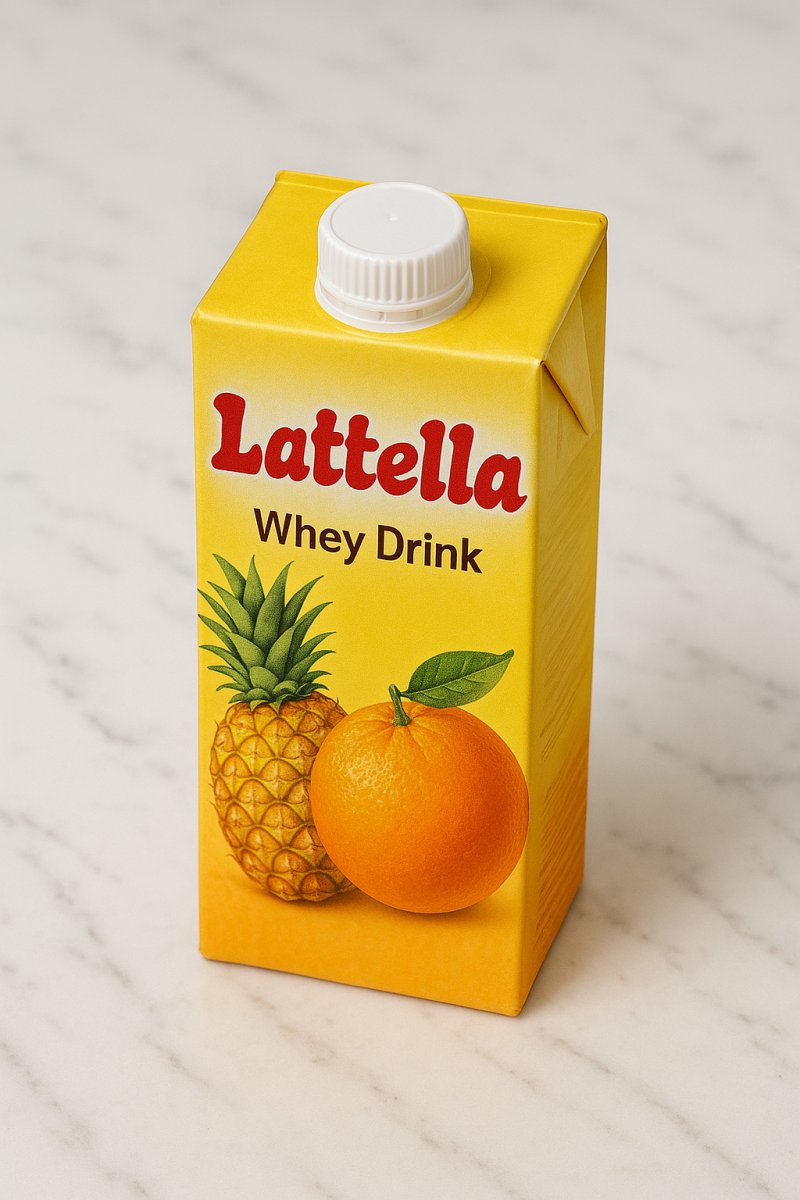
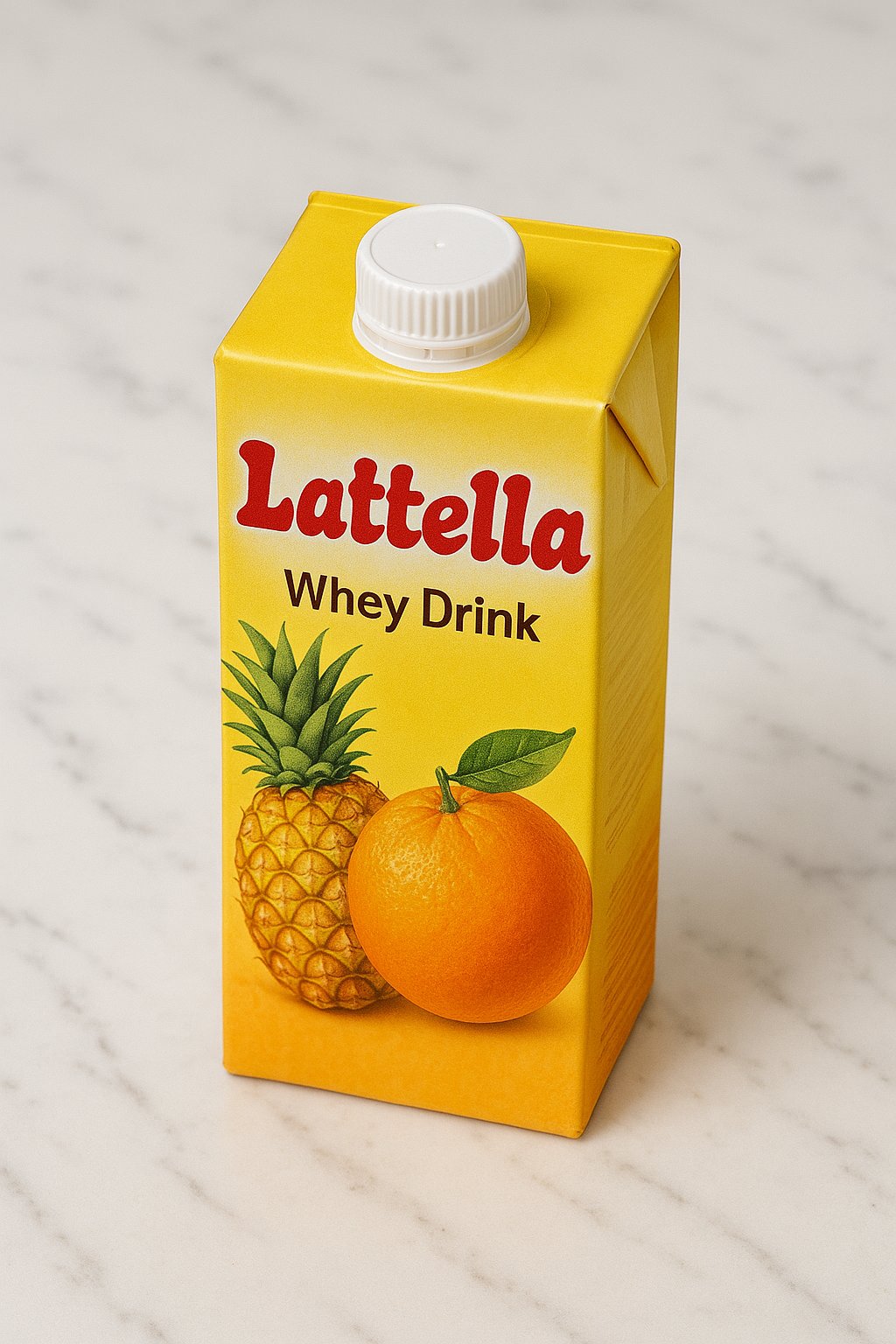
Lattella Multivitamin light

Light whey-milk drink with multivitamin flavor.

Wiki about Lattella Multivitamin light Nutri-Score B Vegan No Gluten-free Yes Lactose-free No Nut-free Yes
NUTRITION / 100 ml
24 kcal 1.0 g Protein 4.4 g Kohlenhydrate 0.2 g Fett

Introduction

Bottle of Lattella Multivitamin light
I remember exactly the first sip of Lattella Multivitamin light: on a hot late-summer day I bought a bottle on the way to a picnic, simply because the label looked so sunny. The first impression was surprising: fresh, fruity and light, without that intrusive sweetness you sometimes get from fruit-milk drinks. Since then this drink has become a reliable companion for me when I want something refreshing in the morning or need a quick fruity note on the go.

In my kitchen Lattella Multivitamin light has become a small all-purpose tool. A colleague of mine swears by using it as a base for a quick smoothie, because it gives the drink depth and vitamins with little effort. I sometimes mix it with oats or add a small splash to a berry bowl when I want something light but filling. The bottle is rarely left untouched for long.

What I particularly appreciate about this product can be summed up in a few points:

  • Taste: fruity-light with a balanced sweetness that doesn't dominate.
  • Texture: creamy but not heavy — ideal for warm days.
  • Calorie-conscious option: the "light" variant feels less heavy than classic fruit milk drinks.
  • Versatility: drink it plain, use as a smoothie base, or as a small yogurt substitute in desserts.
My favorite combination? A good espresso, a croissant and a small bottle of Lattella Multivitamin light on the side — the sweet-fruity freshness makes a nice contrast to the coffee's roasted aroma. Another time I added a bottle to a punch at a family brunch; the guests were pleasantly surprised by the fruity note. Such small experiments always show me how a simple drink can brighten dishes and moments.

In the end, Lattella Multivitamin light remains for me an uncomplicated, cheerful everyday companion: not too loud, but always there when I seek a light, fruity refreshment.

Availability & types

Availability and types

Origin
Lattella Multivitamin light is not a fruit or vegetable, but a beverage made from whey. Whey is the liquid left over when milk is turned into cheese – you can imagine it like the water that remains after wringing out a wet sponge. This whey is collected and further processed to produce refreshing drinks like Lattella. Because the base is dairy, the raw material usually comes from regions where many cows are kept and milk is processed.

Growing and production areas
The milk for these beverages often comes from agricultural regions with many farms. In Europe this is particularly true for alpine regions and other rural areas in countries such as Austria, Germany or Switzerland. There are many farms there that milk cows and deliver the milk to dairies. In the dairies the whey is separated and further processed, mixed with fruit juices, vitamins and sometimes sweeteners – this is how a drink like Lattella Multivitamin light is created.

Where to buy Lattella Multivitamin light
This drink is usually very easy to find:

  • In supermarkets and discount stores in the refrigerated section with other dairy drinks.
  • At petrol stations or small shops that offer chilled beverages.
  • Some manufacturers also sell it online so you can order it for home delivery.
Availability depends on the country you live in: in countries where the brand is well known you will find it in almost every store; in other countries it may be rarer or only available in specialist shops.
Available flavors and variants
Lattella is not available in only one form. Popular variants differ in flavor, sugar content and added ingredients. Important types are:
  • Original or fruit variants – with different flavors such as Multivitamin (a blend of several fruits), lemon, peach or exotic fruits. These often taste fairly fruity and sweet.
  • Light variants – like the Multivitamin light: here less sugar is used or lower-calorie sweeteners are used instead of regular sugar so the drink has fewer calories.
  • With added vitamins – these versions are fortified with important vitamins (for example vitamin C or B vitamins) so that the drink provides nutrients in addition to refreshment.
  • Sugar-free or "zero" variants – completely without sugar, for people who want little or no sugar.
  • Different packaging – small bottles for on-the-go, larger bottles for home or multipacks to save money.
Simply explained
Think of Lattella Multivitamin light as a fruity milk drink made from a by-product of cheese production. It comes in many flavors and with different amounts of sugar or vitamins – so almost anyone can find a variant they like best. In supermarkets it is usually found in the refrigerated section; sometimes it is only available in countries where the brand is known. Many variants mean more choice for you!
Details & nutrition

Property Value
Unit ml
Average weight per piece 500
Calories per 100 24
Protein per 100 1.0
Carbohydrates per 100 4.4
Sugar per 100 4.2
Fat per 100 0.2
Saturated fat per 100 0.1
Monounsaturated fat 0.1
Polyunsaturated fat 0.0
Fiber per 100 0.0
Vitamin C (mg) per 100 12
Vitamin D (IU) per 100 20
Calcium (mg) per 100 60
Iron (mg) per 100 0.1
Nutri-Score B
CO₂ footprint 0.12 kg CO2e/100 ml
Origin Austria/EU
Gluten-free Yes
Lactose-free No
Nut-free Yes
Vegan No
Note Nutritional values may vary slightly depending on the recipe/batch; values refer to 100 ml.

Technical & scientific information

Lattella Multivitamin light is a commercial formulation of a whey- or milk-based refreshing beverage offered as a reduced-calorie variant with an added vitamin mix. The product combines the characteristic components of whey – primarily soluble milk proteins and lactose – with fruit flavors, sweeteners and a vitamin preparation produced synthetically or obtained microbially. The "light" label indicates a reduced energy content compared to the full-sugar variant, achieved by partial or full replacement of sugar with low-calorie sweeteners.

Chemical and macromolecular composition
The liquid matrix consists primarily of water with dissolved carbohydrates (predominantly lactose in milk-based beverages), small amounts of milk fats and soluble proteins such as β‑lactoglobulin and α‑lactalbumin. Whey also contains small amounts of peptides and free amino acids that are nutritionally relevant. Minerals such as calcium, phosphate and potassium are present mainly in ionic form. The added fruit components typically consist of juice concentrates, aroma extracts and colorants.

Vitamins and additives
The designation "Multivitamin" implies the addition of a vitamin preparation that may include both water-soluble vitamins (e.g. B vitamins, vitamin C) and fat-soluble ones (e.g. vitamins A, D, E). These micronutrients are added as stabilized, dosed mixes (vitamin premixes) to achieve defined amounts per serving. In light formulations, low-calorie sweeteners are often used for sweetening; common industry representatives, subject to regulation, include approved compounds such as Acesulfame‑K and Aspartame, although the specific choice is product-dependent.

Processing steps
Production involves several technical steps: preparation of the whey or milk base, filtration to remove coarse particles, homogenization to stabilize the fat and protein dispersion, subsequent mixing with fruit components and the vitamin premix as well as sweeteners. For microbial safety and shelf life a thermal process (pasteurization or UHT treatment) and aseptic filling follow. During heat treatment the stability specifics of added vitamins and flavors must be considered, since heat-sensitive vitamins (e.g. vitamin C, some B vitamins) can be degraded; this may require overdosing in the formulation or protective packaging and process parameters.

Nutritional values and nutritional aspects
Light variants typically have an energy content in the range of about 20 to 40 kcal per 100 ml, with carbohydrate content significantly reduced compared to full-sugar variants. Protein content is usually in the range of 0.5 to 3 g per 100 ml, fat contents are low (<0,5 g/100 ml). Actual nutritional values are product-dependent and must be taken from the label. As a milk-based beverage, the product provides high-quality proteins and calcium, but it is not suitable for people with cow's milk protein allergy. In lactose intolerance reactions are possible, since whey contains lactose.

Health and regulatory aspects
Added vitamins can help contribute to portions of the recommended daily intake; however they do not replace a balanced diet. The tolerability of artificial sweeteners is defined by regulations; manufacturers must observe permitted maximum amounts and labeling requirements. For vulnerable groups such as pregnant women or people with certain metabolic disorders, the information on the product label and possibly nutritional medical advice should be taken into account.

In summary, Lattella Multivitamin light is a technically formulated, whey-based refreshing beverage with reduced calorie content and added micronutrients. Its composition and sensory properties result from a combination of the biochemical base components of whey, carefully balanced additives and controlled processing steps, aimed at balancing shelf life, taste and nutrient content in a consumer-friendly product.

Wiki entry for: Lattella Multivitamin light
Active now: 18 visitors of which 2 logged-in members in the last 5 minutes