Availability and types of lamb stock
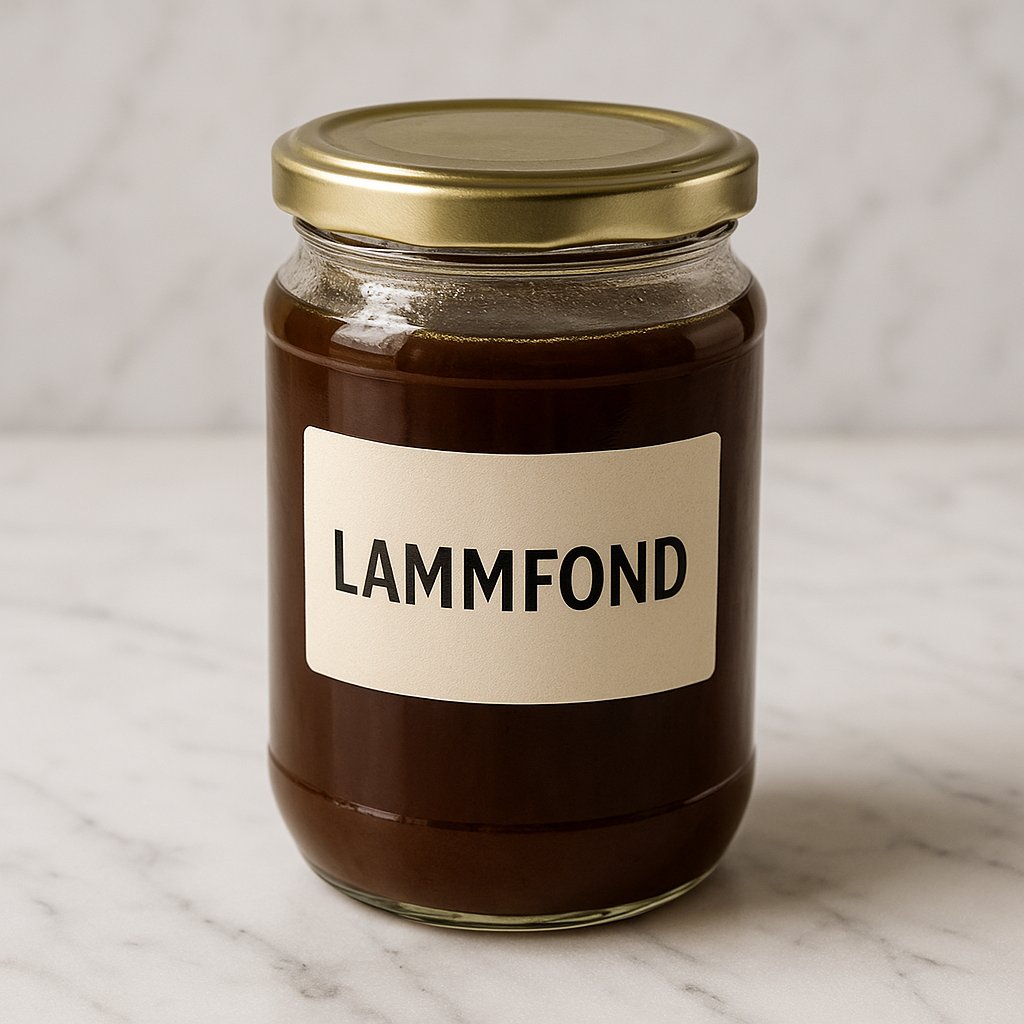
Lamb stock is an aromatic liquid produced when lamb bones and meat trimmings are cooked for a long time. It is used to make sauces, soups or stews more flavorful. Lamb stock is not equally easy to find everywhere, and there are different varieties — here I explain where it comes from, where to find it and which variants exist, in a simple and clear way.
Origin
Lamb stock simply comes from lambs. The base is bones, meat trimmings and sometimes vegetables and spices, which are simmered slowly with water. How good the flavor becomes depends on which meat and bones were used and how long everything was cooked. In regions where sheep and lamb meat are eaten more often, lamb stock is a longer-standing part of the cuisine.
Lamb stock simply comes from lambs. The base is bones, meat trimmings and sometimes vegetables and spices, which are simmered slowly with water. How good the flavor becomes depends on which meat and bones were used and how long everything was cooked. In regions where sheep and lamb meat are eaten more often, lamb stock is a longer-standing part of the cuisine.
Production areas or regions of origin
Lamb stock has no cultivation areas because it comes from animals. Still, there are regions particularly known for their lamb cuisine, and there lamb stock is easier to find. Such regions include:
Lamb stock has no cultivation areas because it comes from animals. Still, there are regions particularly known for their lamb cuisine, and there lamb stock is easier to find. Such regions include:
- Mediterranean countries like Greece or Spain – there lamb is frequently on the table and stock often appears in recipes.
- Great Britain and Ireland – lamb is traditionally eaten a lot there, so lamb stock is available in shops and from butchers.
- Central Europe – in Germany, Austria or Switzerland you will find lamb stock mainly in larger cities or from specialized butchers.
Where to get lamb stock?
You can obtain lamb stock in several ways:
You can obtain lamb stock in several ways:
- Homemade: This is often the tastiest option. Collect bones and trimmings from lamb, add onions, carrots and spices and simmer everything for several hours. It takes time, but you know exactly what's in it.
- From the butcher: Many butchers produce stock from the bones left over during butchering. This is a fresh and good option.
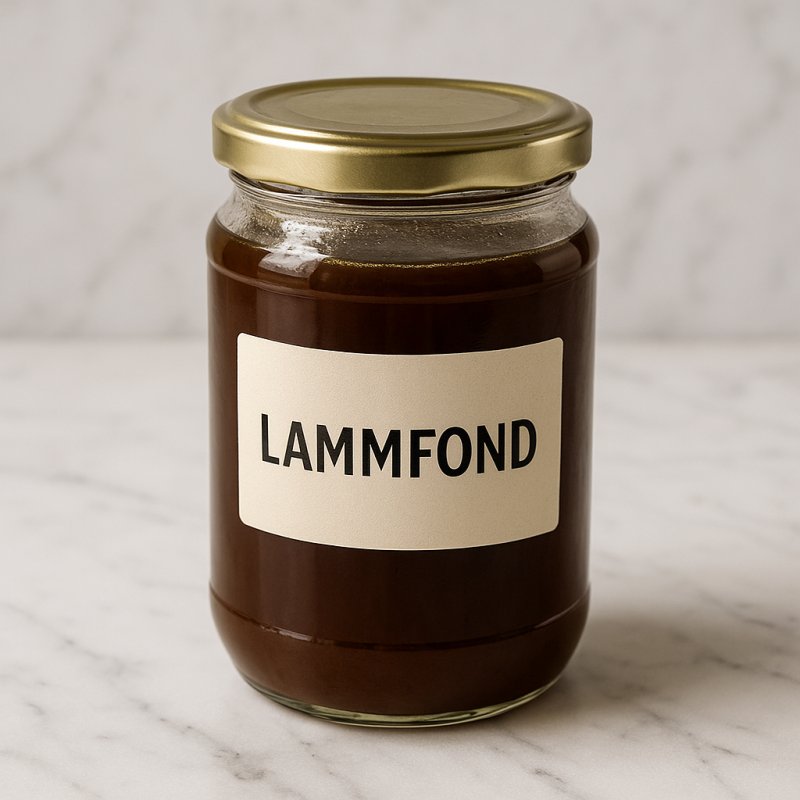
- In supermarkets: Lamb stock can sometimes be found in cans, jars or as liquid broth. It is convenient to buy there, but sometimes contains additives.
- Online or gourmet shops: Particularly high-quality or artisanal stocks can also be found online or in specialized stores.
Available types and variants
There are different kinds of lamb stock so you can use them for different dishes:
There are different kinds of lamb stock so you can use them for different dishes:
- Clear lamb stock: Cooked for a long time and then strained. It is clear to slightly cloudy and works well for delicate sauces or soups.
- Concentrated lamb stock (demi-glace or stock concentrate): This is very intense in flavor. Only a little is used to boost sauces. Sometimes it is sold as a cube or paste.
- Ready-made lamb broth in jars or cans: Practical and quick to use. They are often ready to use but may contain salt or additives.
- Homemade stock with vegetables: Some make their stock with many vegetables and herbs. This results in a fuller, rounder flavor — almost like a small vegetable soup, only more concentrated.
- Vegetarian alternative: For people who do not eat meat there are vegetable broths that are intended to recall lamb stock but without animal products. They are a completely different category, but often serve the same purpose.
In summary: you can get lamb stock homemade, from the butcher or commercially. There are light, clear stocks, strong concentrates and ready broths. Which type is right depends on what you want to cook — for quick dishes the can is practical, for special dishes a homemade or artisanal stock is often worthwhile.