Availability and types of kiwi
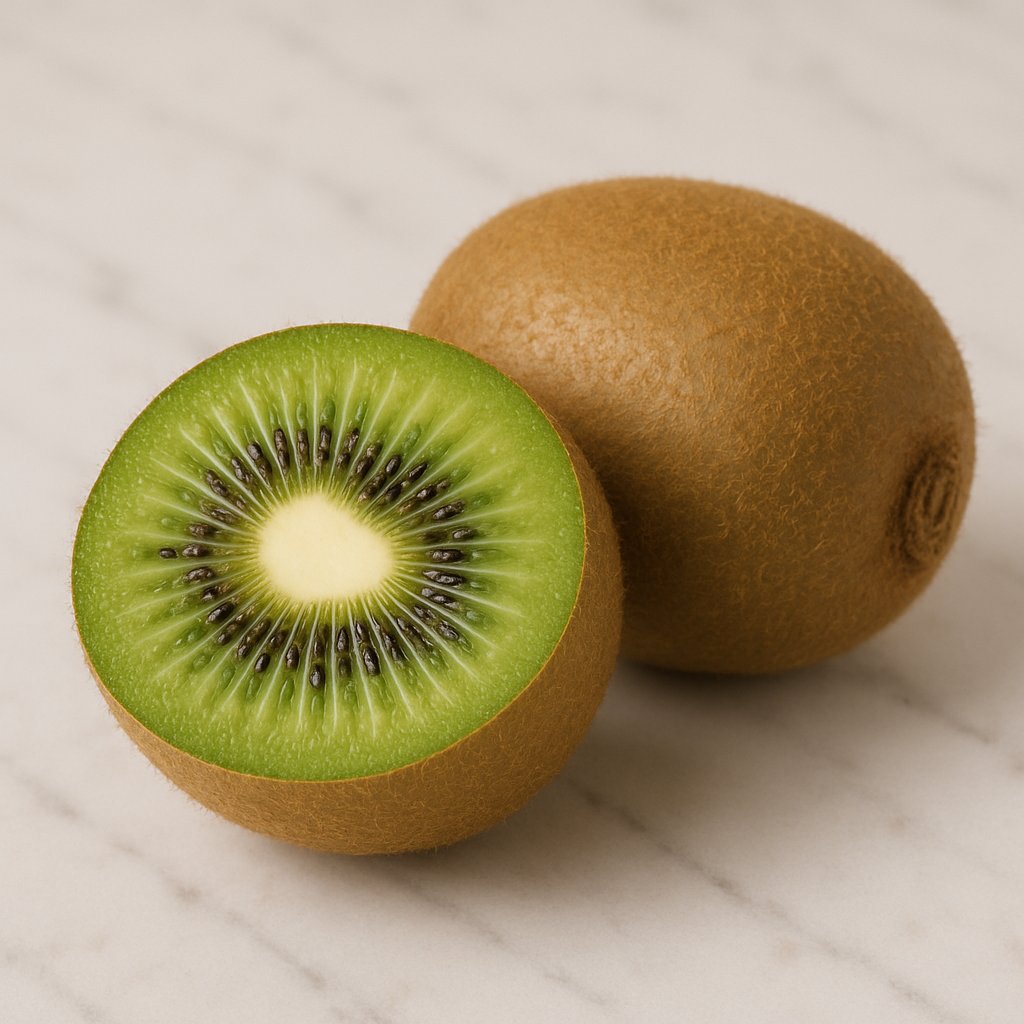
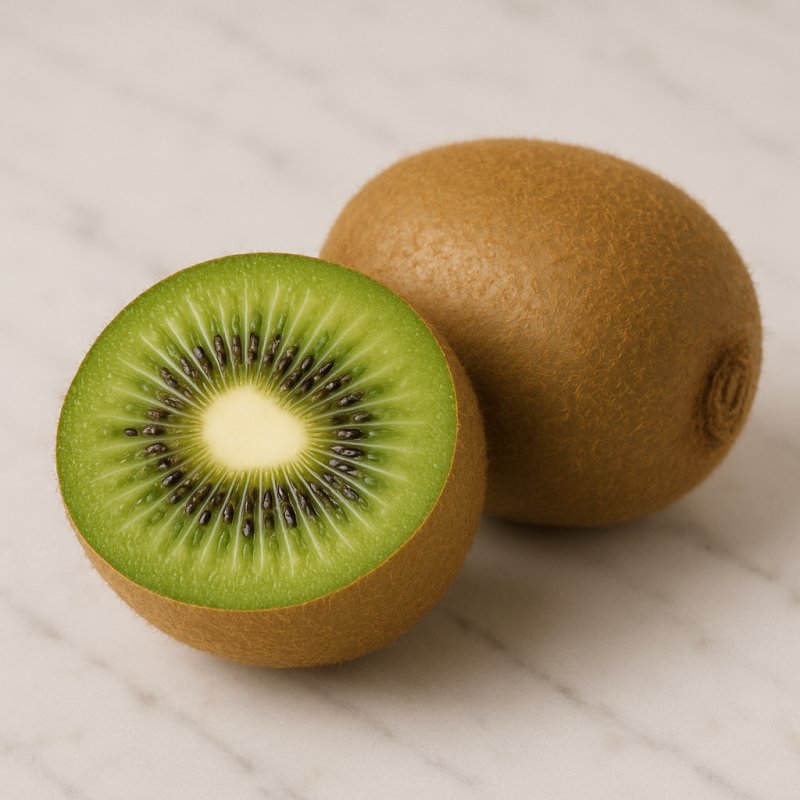
The kiwi is a juicy, usually oval-shaped fruit with a soft interior and a thin, hairy or smooth skin. It originates from China, where it grew long ago. Later it was brought to New Zealand. The New Zealanders named it "kiwi" after the small, fluffy bird because the fruit looks a bit fuzzy on the outside. Today kiwi is grown in many parts of the world.
Where does kiwi grow?
Kiwis prefer a rather temperate climate: not too hot in summer and not too cold in winter. Major growing regions include:
- New Zealand – famous for kiwi exports and brands like "Zespri".
- Italy – one of the largest producing countries in Europe.
- Chile – supplies many kiwis to the northern hemisphere during summer.
- China – both the country of origin and a major producer today.
- Greece, France and Spain – important European regions.
- USA (California) – kiwis are also grown there.
When are kiwis available?
In gardens kiwis are usually harvested in autumn. Because many countries harvest at different times and kiwis store well, you can find them almost year-round in supermarkets. Cool rooms are often used for storage, sometimes with a special air composition that lets the fruit "breathe" more slowly so it stays fresh longer. It's like putting the kiwi into a cool sleep.
In gardens kiwis are usually harvested in autumn. Because many countries harvest at different times and kiwis store well, you can find them almost year-round in supermarkets. Cool rooms are often used for storage, sometimes with a special air composition that lets the fruit "breathe" more slowly so it stays fresh longer. It's like putting the kiwi into a cool sleep.
What types and varieties exist?
There are several main types of kiwi that differ in appearance, taste and size. The most important are:
There are several main types of kiwi that differ in appearance, taste and size. The most important are:
- Green kiwi (common: variety "Hayward"): has a brown, slightly hairy skin and green flesh with many small black seeds. The taste is fresh and slightly tart, similar to a mix of strawberry and melon.
- Golden kiwi (e.g. "Zespri SunGold"): this variety has a smoother, thinner skin and yellow flesh. It usually tastes sweeter and less tart than the green kiwi, almost like a honeydew melon with citrus notes.
- Mini or baby kiwi (also called "Actinidia arguta"): these are smaller, have no hair on the skin and can be eaten whole – like a small grape. They are often very sweet.
- Other regional varieties: in different countries there are cultivars with varying sizes, colors and flavors; some are particularly frost-hardy or better suited for fresh market sales.
Selection tips
When you buy a kiwi you can easily check ripeness: a ripe kiwi is slightly soft but not mushy. Golden kiwis often feel softer and are sweeter. Mini-kiwis can be tried directly because their skin is edible.
When you buy a kiwi you can easily check ripeness: a ripe kiwi is slightly soft but not mushy. Golden kiwis often feel softer and are sweeter. Mini-kiwis can be tried directly because their skin is edible.
In summary: kiwis come from China, are now grown worldwide and are available almost year-round. The best-known types are the green kiwi, the golden kiwi and the small smooth mini-kiwi. Each variety has its own taste and advantages, so there is something for everyone.