Availability and types of Kirschwasser
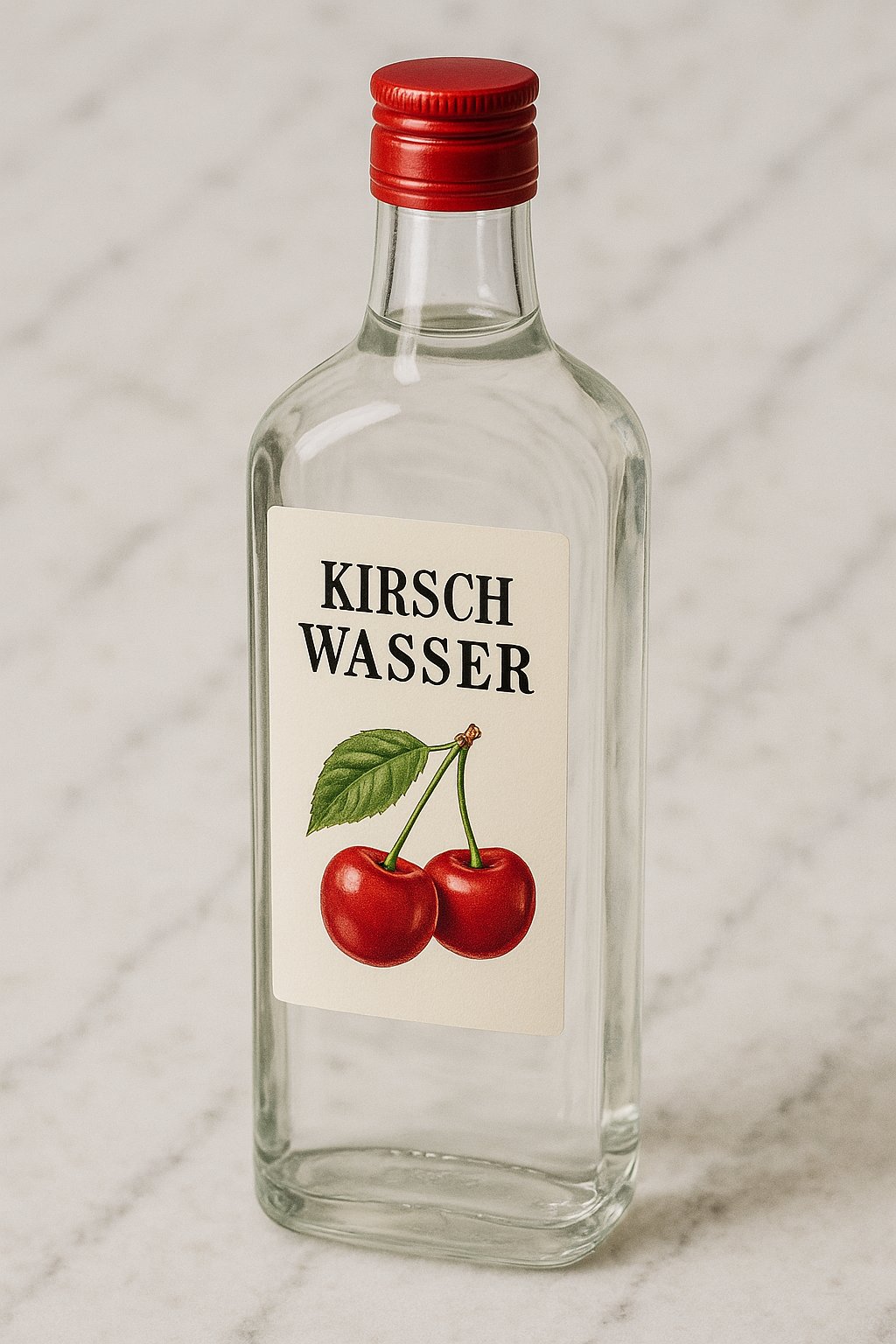
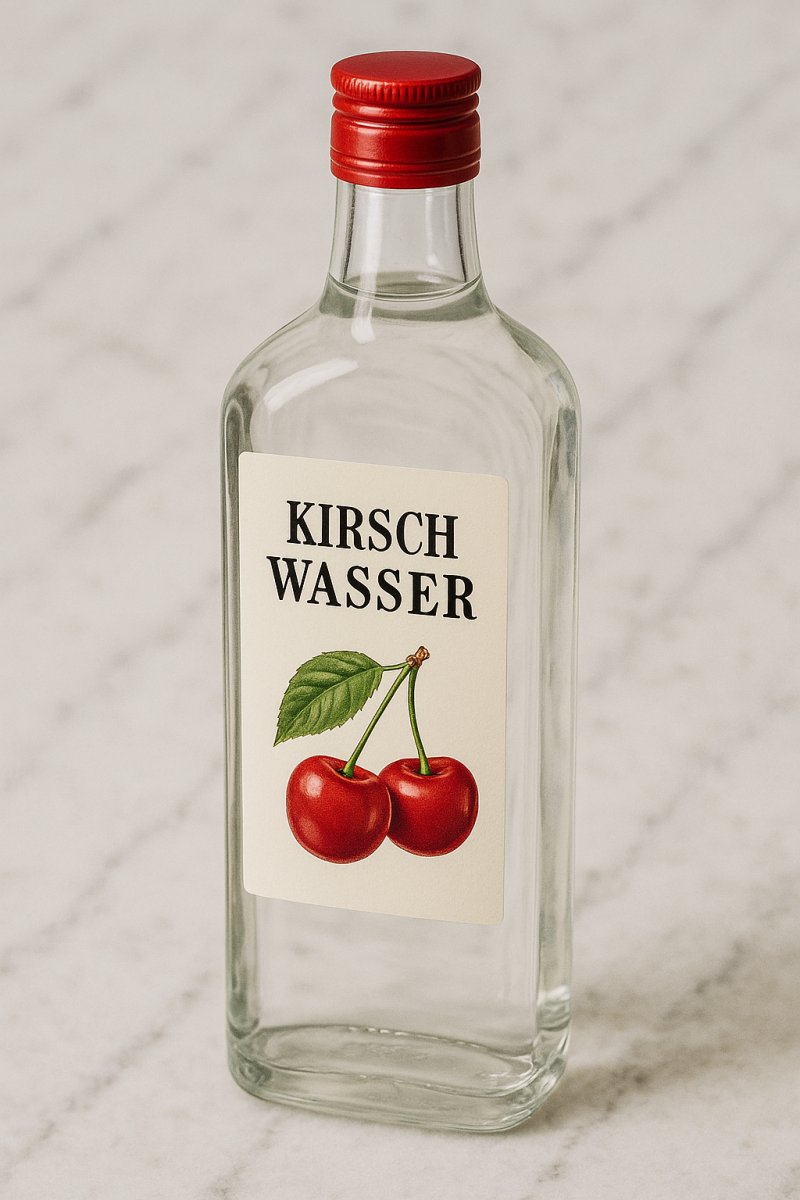
Kirschwasser is a clear, strong spirit made from cherries. You can imagine it like a very concentrated cherry flavor in a bottle. It is popular in many countries and can be bought in various varieties. Here I explain where Kirschwasser comes from, where it is cultivated and which types exist — simply and easy to understand, so that even younger people can follow.
Origin
Kirschwasser originally comes from regions where many cherries grow. The name comes from German: “Kirsch” means cherry and “Wasser” is here an old word for a clear spirit. In the past people in farmhouses processed their own fruit by fermenting and distilling cherries. That was practical: when the trees gave many cherries in summer, one could make something to keep throughout the year.
Kirschwasser originally comes from regions where many cherries grow. The name comes from German: “Kirsch” means cherry and “Wasser” is here an old word for a clear spirit. In the past people in farmhouses processed their own fruit by fermenting and distilling cherries. That was practical: when the trees gave many cherries in summer, one could make something to keep throughout the year.
Growing regions
Cherry trees grow best where temperatures are not too hot and not too cold. Well-known regions for good cherries are:
Cherry trees grow best where temperatures are not too hot and not too cold. Well-known regions for good cherries are:
- Central Europe – Countries like Germany, Austria and Switzerland have long traditions in cherry cultivation.
- Eastern Europe – Regions like Poland and the Czech Republic also produce many cherries and Kirschwasser.
- Italy and France – There are also regions there with special cherries used for distillates.
- North America – In some parts of the USA and Canada cherries are grown and processed.
Some cherry trees prefer hills or mountains because the air is a bit cooler there and the cherries ripen slowly. Slow ripening often helps the fruits develop more flavor — similar to when fruit tastes better at rest than when it ripens too quickly.
Available varieties and variants
Kirschwasser is not always the same. There are different types that differ in taste, strength and production. Important variants are:
Kirschwasser is not always the same. There are different types that differ in taste, strength and production. Important variants are:
- True cherry brandy (Kirschwasser) – This is the classic, clear spirit made only from cherries. It smells strongly of cherry and has a high alcohol strength, often between 40 and 50 percent.
- Apricot or cherry liqueur – This is sweeter than Kirschwasser because sugar is added. Liqueurs are milder and work well in cocktails or as a dessert companion.
- Geist – This is a variant in which whole fruits, sometimes only their aromas, are placed in alcohol so that the flavor transfers. The alcohol is not only made from the fruit, but draws out the taste.
- Bottled with/without oak aging – Some Kirschwasser are briefly stored in wooden casks after production, which can slightly change the flavor. Most, however, are clear and go straight into the bottle.
Where to find it
Kirschwasser can be found in well-stocked supermarkets, liquor stores and online. Smaller distilleries in cherry-growing areas often sell special varieties that are only available locally. If you are looking for something special, it's like homemade jam: sometimes you find the best flavor directly from the farmer or in a small distillery.
Kirschwasser can be found in well-stocked supermarkets, liquor stores and online. Smaller distilleries in cherry-growing areas often sell special varieties that are only available locally. If you are looking for something special, it's like homemade jam: sometimes you find the best flavor directly from the farmer or in a small distillery.
In summary: Kirschwasser comes from countries with many cherries, there are different types from clear to sweet and you can buy it in shops, distilleries or online. For adults it is a popular enjoyment, and for children the idea behind it is easy to understand: many cherries are collected and processed so that an intense cherry flavor is produced that can be kept in a bottle.