Menu & categories

Kale

Nutrient-rich winter vegetable full of vitamins

Wiki about kale Nutri-Score A Vegan Yes Gluten-free Yes Lactose-free Yes Nut-free Yes
NUTRITION / 100 g
49 kcal 4.3 g Protein 8.8 g Kohlenhydrate 0.9 g Fett

Introduction

Fresh kale
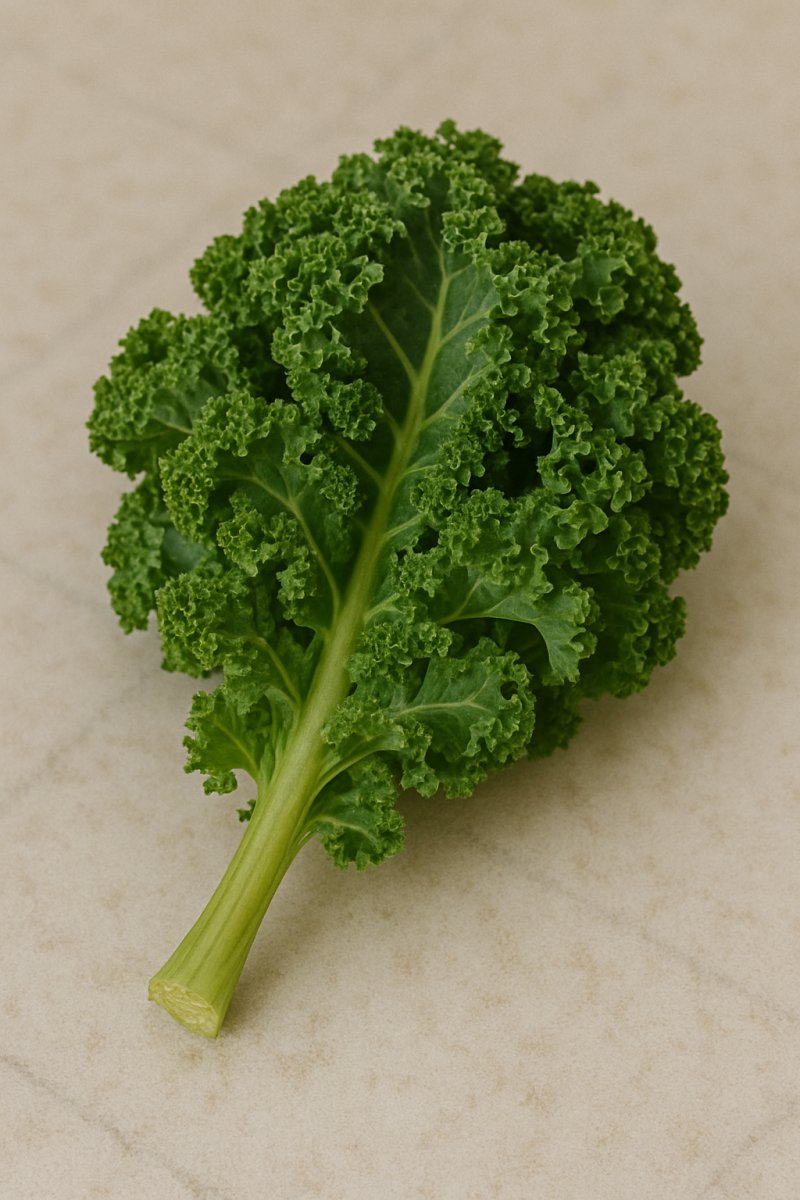
Kale is much more than a winter vegetable from the North: it is a culinary all-rounder, a nutrient-dense powerhouse and a cultural link between regional tradition and modern cuisine. As a 35-year-old editor from Europe I have encountered kale in many facets – from the hearty kale outings in gloomy North German weather to the delicately marinated kale salad in a Copenhagen bistro. This versatile ingredient has accompanied me through seasons, cities and tastes, continually surprising me.

Its special charm comes from its sturdy, curly leaf structure and the spicy-earthy, slightly sweet flavor that becomes even more intense after the first frost. My grandmother always claimed that the frost "kisses" the cabbage and makes it milder – and indeed the sugar content is then higher, resulting in a round, pleasant aroma. A colleague of mine, an avid hobby gardener, swears by harvesting the first leaves only after a frosty night. He then serves them braised with onions, mustard and roasted nuts – a plate full of coziness.

If you only know kale as a traditional side dish with hearty meat, you miss a world of culinary possibilities. In Portugal it is finely sliced and served in the famous Caldo Verde, in Italy it is found in ribollita, a rustic bread soup, and in Scandinavia it stands alongside roasted root vegetables and creamy dressings. I often make a lukewarm kale salad with lemon juice, olive oil and burnt lemon; I add crispy chickpeas seasoned with paprika and cumin. The result is a wonderfully fresh contrast to the usual winter cuisine and at the same time a colorful bright spot on gray days.

Kale convinces not only in terms of taste but also nutritionally. It is rich in vitamin K, vitamin C, beta-carotene (a precursor of vitamin A) as well as important minerals like calcium and potassium. It also provides fiber, which supports digestion, and secondary plant compounds considered antioxidants. A running coach friend of mine swears by kale smoothies after

Availability & types

Availability and types of kale

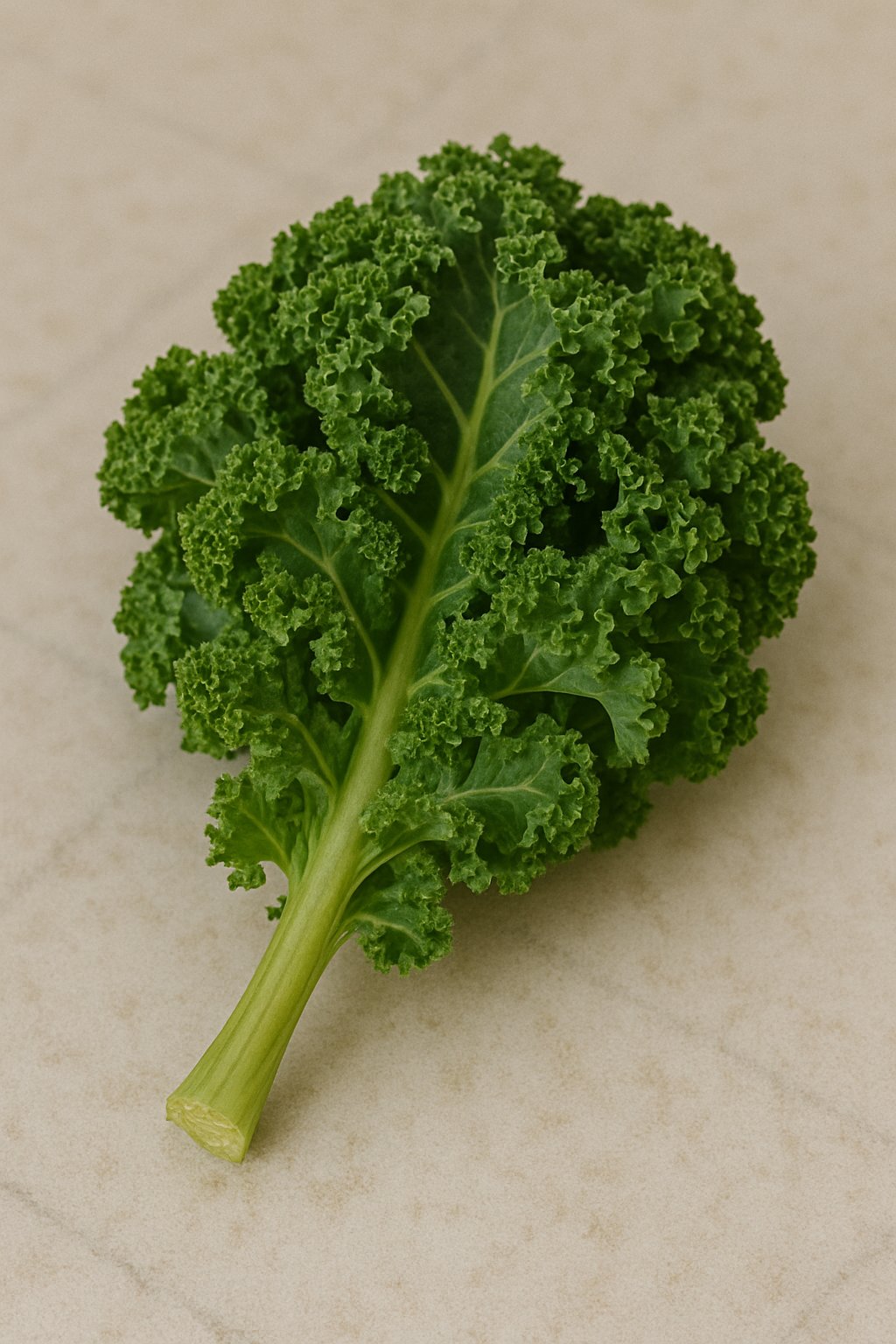
Kale is a sturdy, winter-hardy leafy vegetable belonging to the large cabbage family. It is also called curly kale because its leaves are often wavy or curled and resemble feathers. If you've ever seen dark green, robust leaves with a slightly curly surface, that was probably kale. It tastes slightly nutty, somewhat bitter and becomes milder when cooked. This makes it great not only for hearty stews but also for crispy chips or fresh salads.

Origin and history:
Kale is very old. People in Europe and around the Mediterranean appreciated cabbage already in ancient times. From there it spread north. In Germany kale has been popular for many centuries, especially in the north, for example in Lower Saxony, Bremen and Schleswig-Holstein. In these regions there are even kale festivals and "cabbage tours." In recent years kale has become popular worldwide, for example in the USA as "kale", where it is used in smoothies, bowls and chips.

Seasonal availability:
Kale is a winter crop. The main season in Central Europe usually begins in late autumn and lasts into spring. It becomes particularly tasty after experiencing frost: the cold converts part of the starch into sugar, making the leaves milder and sweeter. That is why kale often tastes best in December and January. In supermarkets you can find it fresh in season as whole stalks, loose leaves or already cleaned and cut. Out of season kale is often available frozen or preserved in jars or cans.

Where kale comes from:
In Germany kale is cultivated mainly in the North
Details & nutrition

Property Value
Unit g
Average weight per piece 250
Calories per 100 49
Protein per 100 4.3
Carbohydrates per 100 8.8
Sugar per 100 2.3
Fat per 100 0.9
Saturated fat per 100 0.1
Monounsaturated fat 0.1
Polyunsaturated fat 0.4
Fiber per 100 3.6
Vitamin C (mg) per 100 120
Vitamin D (IU) per 100 0
Calcium (mg) per 100 150
Iron (mg) per 100 1.5
Nutri-Score A
CO₂ footprint 0.3 kg CO2e/kg
Origin Europe
Gluten-free Yes
Lactose-free Yes
Nut-free Yes
Vegan Yes
Note Values refer to raw kale; nutrients may vary slightly depending on variety and season.

Technical & scientific information

Kale (Brassica oleracea var. sabellica) is a winter-hardy leafy cabbage variety from the Brassicaceae family. The cultivated form is characterized by strongly curled, lanceolate to lobed leaves that grow in rosettes on an upright stem. Botanically, kale belongs to the species Brassica oleracea, which also includes broccoli, cauliflower, Brussels sprouts and savoy cabbage. Variation is apparent in leaf color, texture and plant height; color nuances range from deep green to blue-green to purple-green, due to anthocyan-rich cultivars.

Botany and morphology
Kale is biennial: in the first year the plant produces vegetative biomass in the form of leaves, in the second year the generative phase follows with inflorescences and seeds. The stem can reach 30 to 120 cm depending on the variety. The strongly curled leaves have a waxy cuticle that reduces transpiration and supports frost resistance. The root system is deep-reaching and enables efficient nutrient uptake. The flowers are typically four-parted, yellow and form siliques with oil-rich seeds after pollination.

Origin and breeding
The ancestor of Brassica oleracea is adapted to calcareous coastal sites of western and southern Europe. Kale was already cultivated in antiquity; its modern form developed over centuries of selection for cold tolerance, leaf mass and flavor. Modern cultivars combine agronomic traits such as plant stability, disease resistance and uniform leaf structure. Regional types like "Ostfriesische Palme", "Westländer Winter" or purple-leaved forms show adaptations to climate and use.

Cultivation and agronomy
Kale prefers temperate climates with cool temperatures (optimal 10–18 °C). The plant is frost-hardy and increases leaf sugar content under cold stimulus, which is perceived sensorially as milder and less bitter. Soil pH should be between 6.2 and 7.0; light liming can prevent clubroot in cabbages

Wiki entry for: kale
Active now: 18 visitors of which 2 logged-in members in the last 5 minutes