Menu & categories

Jam

Sweet spread made from cooked fruit and sugar

Wiki about jam Nutri-Score D Vegan Yes Gluten-free Yes Lactose-free Yes Nut-free Yes
NUTRITION / 100 g
250 kcal 0.4 g Protein 62 g Kohlenhydrate 0.2 g Fett

Introduction

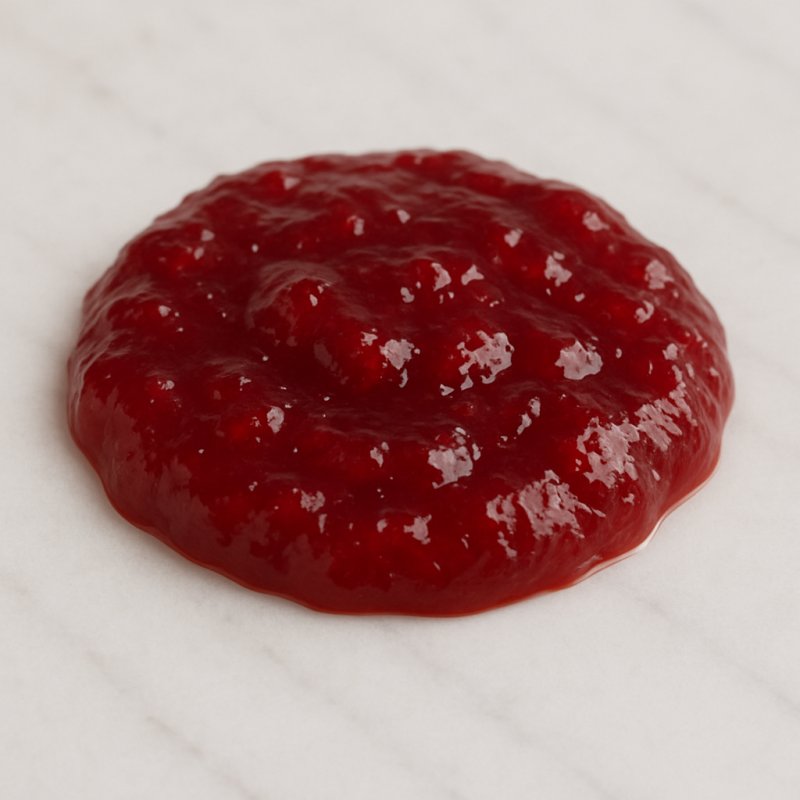
A jar of red jam with a spoon
I still remember well the smell that filled the kitchen when someone at home was making jam: sweet, fruity, a hint of summer, captured in a pot. For me jam is more than just a spread; it is memory, the craft of preservation and a small act of joy. Over the years I have tried many jars, bought them and cooked them myself, and each time I am surprised by how versatile and yet simple this product can be.

What makes jam special to me is its ability to turn simple fruit into something celebratory. A handful of good strawberries or a basket full of ripe plums, some sugar and time is enough – and out comes a golden-red, aromatic wonder. A colleague once brought a jar of homemade orange jam to the office, and suddenly our break became a little tasting; we shared pieces of bread, recipes and stories about the summers when the fruit had been harvested.

I also appreciate jam for its cultural variety. In some regions lemon peels are used for bitter-sweet notes, elsewhere berries are combined with herbs like rosemary. Some recipes call for gelling agents, others rely on the natural pectin effect of the fruit. The texture also varies: smoothly strained, chunky or with whole pieces of fruit – each variant tells its own story.

A few things I've learned about making jam:

  • Fruit should be ripe but not overripe to achieve the best flavor.
  • Sugar acts not only as a sweetener but as a preservation partner.
  • Timing is everything: undercooked it remains too runny, overcooked it can lose flavor.
I like to use jam not only spread on bread but also combined with other foods: with cheese, in yogurts, as a glaze for meat or as a filling in pastries. Once I experimented with a fig jam that paired so well with a strong cheese that I decided to serve it in small dishes at my next dinner. The guests were delighted, and I felt like I had shared a little culinary magic.

In the end jam is, for me, a sensual product: it smells, tastes and brings people together. Whether homemade or purchased, it tells of seasons, craftsmanship and small rituals at the breakfast table. Every jar holds its own story, and when opening one I always look forward to the next.

Availability & types

Availability and types

Jam is a sweet spread ingredient that can be bought almost everywhere. It is made from fruit, sugar and sometimes pectin (which is a substance that helps the jam thicken). Many supermarkets, weekly markets and small grocery stores offer jam, and it is often sold in jars or tubes. Some people also make jam at home – it is a nice hobby because you can choose the variety and the level of sweetness yourself.

Origin
Jam originally comes from countries where fruit was cultivated and it was important to make that fruit last longer. In the past jam became especially popular in Europe, but today it is produced everywhere. The fruit comes from different regions of the world: oranges and lemons often from warmer countries like Spain or Italy, berries often from cooler areas like Germany, Poland or Canada. You can usually read the origin of a jam on the label of the jar – it states where the fruit was harvested.

Growing regions
Growing regions depend on the fruit. Here are a few simple examples:

  • Citrus fruits (e.g. oranges, lemons): grow well in warm areas such as Spain, Italy, Greece or also in parts of the Americas.
  • Berries (e.g. strawberries, raspberries, blueberries): often prefer cooler climates and are grown in countries like Germany, Poland, the Netherlands or Canada.
  • Stone fruit (e.g. peaches, apricots): grow in temperate to warm regions, e.g. in parts of Europe, Turkey or California.
  • Apples: come from many parts of the world, because apple trees thrive in very different climates.
Available varieties
Jam is available in many flavors. Some are very simple, others are special combinations. Here are the most common varieties, simply explained:

  • Strawberry jam: sweet and fruity, a classic.
  • Raspberry jam: slightly tarter than strawberry, very aromatic.
  • Orange marmalade: often with small pieces of peel, tastes fresh and slightly bitter-sweet.
  • Apricot jam: mild and velvety, good for those who do not like things too sour.
  • Blackberry and blueberry jam: darker, more intense fruit flavor.
  • Mixed fruit jams: combinations like strawberry-rhubarb or raspberry-blackberry that combine two or more fruits.
Variants
Besides regular jam there are various variants so there is something for every taste:

  • Conserve / jam with pieces: The word is often used similarly to jam. Some countries distinguish that conserve contains pieces of fruit, while jam is more finely strained.
  • Fruit spread: Often has less sugar and sometimes additional fruit purée. It is somewhat fresher and fruitier.
  • Gelled jam: Very firm because a lot of pectin is used – good if you like a thick layer on bread.
  • Diet or reduced-sugar variants: For people who want to eat less sugar. These often use sugar substitutes.
  • Organic jam: Made from fruit grown without chemical pesticides. It is a choice for people who care about the environment and health.
In summary: jam is available almost everywhere, in many fruit types and as different variants – from sweet to lower-sugar, from smooth to chunky. On the label you can usually see which fruits and from which country they come. This makes it easy to find your favorite jam or to try out which varieties you like best.
Details & nutrition

Property Value
Unit g
Calories per 100 250
Protein per 100 0.4
Carbohydrates per 100 62
Sugar per 100 60
Fat per 100 0.2
Saturated fat per 100 0.02
Monounsaturated fat 0.03
Polyunsaturated fat 0.05
Fiber per 100 1.5
Vitamin C (mg) per 100 10
Vitamin D (IU) per 100 0
Calcium (mg) per 100 15
Iron (mg) per 100 0.3
Nutri-Score D
CO₂ footprint 0.7
Origin Varies depending on the fruit used and the manufacturer
Gluten-free Yes
Lactose-free Yes
Nut-free Yes
Vegan Yes
Note Nutritional values refer to an average fruit jam high in sugar; exact values vary depending on the type of fruit and the amount of sugar.

Technical & scientific information

Jam refers in food science to a fruit spread product that is produced mainly from fruit pulp or fruit juice, sugar and gelling agents. Traditionally the term in many language areas specifically refers to citrus fruits, while for other fruits the term "conserve" or "preserve" is often used; legally and in consumer use the terms are often used synonymously, however. Jam is characterized by a thickened, spreadable consistency achieved by cooking with water loss and by the precipitation of pectin in the presence of acid and sugar.

Chemical composition and ingredients
The main constituents of jam are water, carbohydrates (predominantly sucrose), fruit sugars (fructose, glucose), pectin as well as organic acids, aroma compounds, color pigments and trace amounts of vitamins and minerals. Sugar content typically ranges between 45 and 65 weight percent, with higher sugar levels improving shelf life and supporting gel formation. Pectin is a natural polysaccharide from the cell walls of fruits; its degree of esterification and concentration influence gel strength. Acids such as citric acid or natural fruit acids (e.g. malic, citric, tartaric acids) lower pH and promote pectin networking. Aromatic compounds include a variety of volatile esters, terpenes and phenolic compounds that determine the characteristic fruit flavor and aroma.

Manufacturing process
Industrial and homemade production typically includes the following steps:

  • Selection and cleaning of the fruit, removal of stems, stones and damaged parts.
  • Crushing or passing through a sieve to obtain fruit pulp or juice.
  • Mixing with sugar and, if necessary, additional gelling agents (e.g. added pectin) and acid.
  • Heating while stirring until the desired thickness stage is reached; during this process water evaporates and gel-forming components concentrate.
  • Filling into sterilized containers and sealing for heat treatment and preservation.
Temperature and time control is crucial, because overcooking can lead to aroma loss and darkening reactions (Maillard reactions and caramelization), while undercooking results in insufficient shelf life.
Gelling mechanism
Gel formation is based on the networking of pectin macromolecules. In an acidic environment and at high sugar concentration sugar molecules reduce water activity (water binding), allowing pectin molecules to come closer and form a network through calcium- or proton-mediated bonds. Different pectin types (highly esterified vs. low-esterified) require different conditions for efficient gelling; commercial pectin preparations allow formulation adjustment for fruits naturally low in pectin.
Nutritional values and health aspects
Jam provides rapidly available energy due to its high sugar content; the caloric content is typically 250–300 kcal per 100 g. Vitamins (e.g. vitamin C) and secondary plant compounds are partially reduced by heat treatment, but remain in quantities that are typically nutritionally modest. Positive aspects are the content of fruit substances and natural aromas; negative aspects include high sugar, which can contribute to tooth decay and have adverse effects on blood sugar and body weight with excessive consumption. For diabetics and reduced-sugar diets there are alternatives with sweeteners or reduced sugar, although these variants show different sensory and gelling properties.
Shelf life and microbiological safety
The combination of high sugar content, reduced water activity and acidic pH prevents the growth of most pathogenic microorganisms; nonetheless contamination-free production and tightly sealed packaging are necessary to avoid fermentation or mold growth. Industrial quality controls monitor Brix (sugar concentration), pH, pectin content and microbiological parameters.
In food technology jam remains a versatile product whose sensory properties can be purposefully influenced by raw material selection, sugar type, gelling agent and process control. The balance between flavor retention, textural stability and nutritional aspects determines formulation and marketing of different variants.
Wiki entry for: jam
Active now: 24 visitors of which 2 logged-in members in the last 5 minutes