Menu & categories

Ice cream

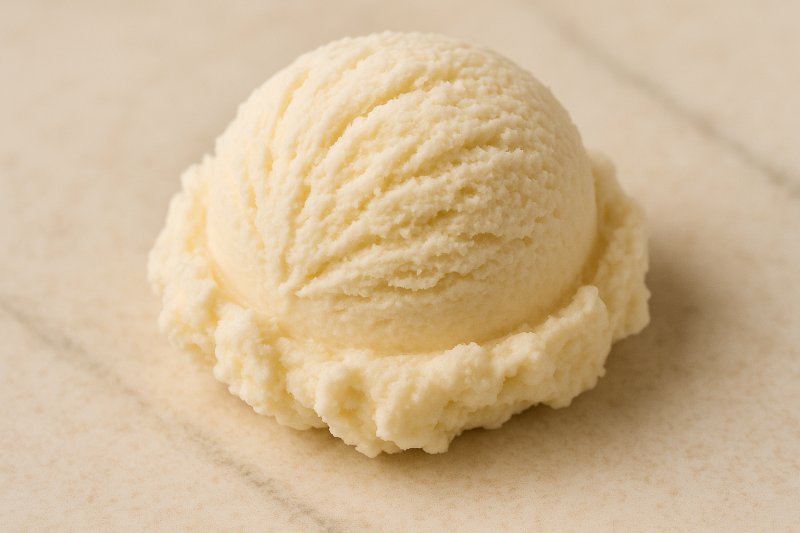
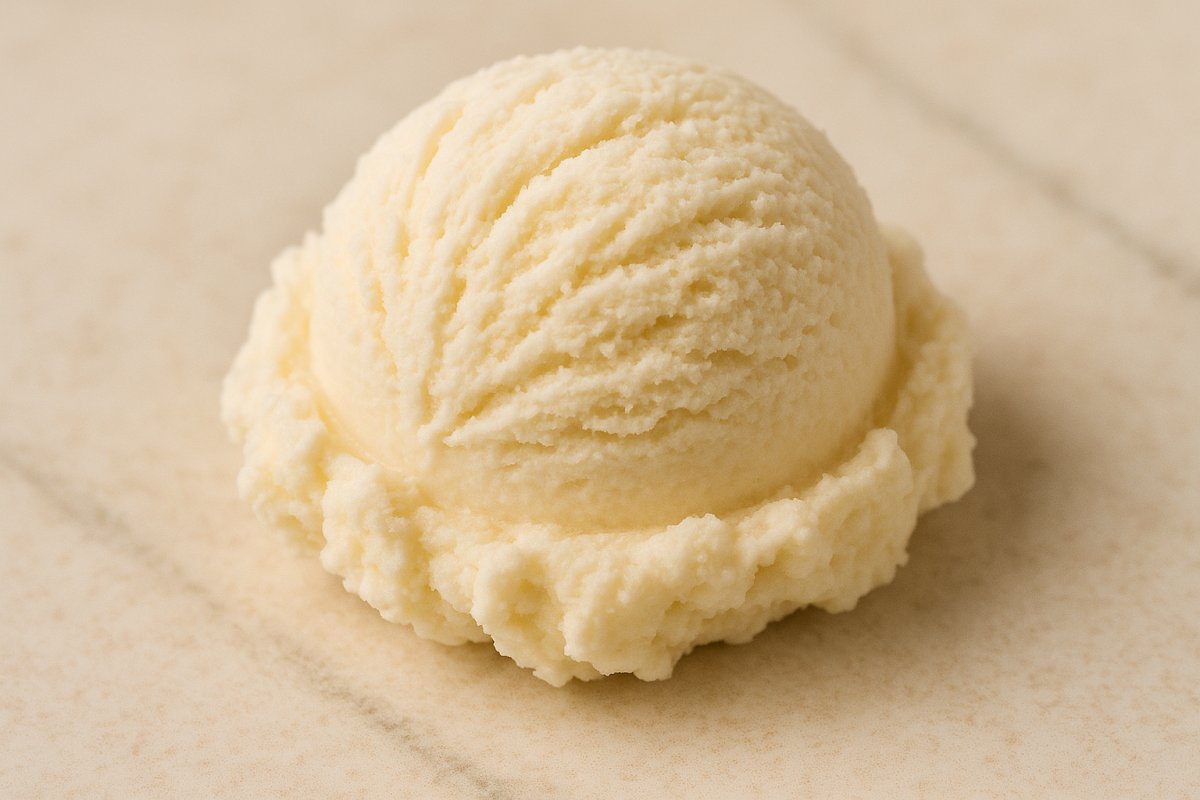
Creamy, sweet milk-based dessert

Wiki about ice cream Nutri-Score D Vegan No Gluten-free No Lactose-free No Nut-free No
NUTRITION / 100 g
207 kcal 3.5 g Protein 24 g Kohlenhydrate 11 g Fett

Introduction

Bowl of creamy ice cream
I have a special relationship with ice cream that has developed over years and many summers. When I think of ice cream, images of street stalls, small gelaterias and spontaneous afternoon outings immediately come to mind. Once I walked through an old town in the rain only to find an ice cream shop closed that sent warm light through a window; the vendor smiled and handed me a cone with two scoops anyway – a memory that still smells of vanilla and wet pavement today. Ice cream is for me more than a dessert: it is a companion to small rituals and great coincidences.

I like the versatility of this creamy wonder: from classic flavors like chocolate and hazelnut to experimental creations with olive oil, basil or sea salt. A friend once brought me a jar of homemade lavender ice cream, and I was surprised how floral notes can enliven the texture without overpowering the sweetness. This balance between sweetness, fat and aromatics fascinates me again and again.

What I particularly appreciate about ice cream:

  • The texture: creamy, velvety and often surprisingly airy.
  • The possibilities: from sorbet-like refreshing picks to rich cream-based interpretations.
  • The culture of memory: certain flavors immediately transport moments from childhood or travel.
I often think about how artisanal techniques and ingredients affect quality. A colleague of mine swears by using egg yolks for a silkier base, while others insist on the lightness of an ice cream without additives. At a tasting in a small workshop the owner told me how she slowly heats milk and cream for hours to achieve a deeper, caramelized note. It sounds simple, but every decision – from the source of fat to the stirring speed – shapes the final result.

I prefer to enjoy ice cream so that the texture has a little time to melt; then flavors unfold more intensely. Whether on a mild evening walk with a cone in hand or at a cozy tasting at home with friends: ice cream brings people together. It is reconciliation, reward and a small celebration at once. And as I write, I feel the urge to go to the gelateria around the corner and discover new combinations.

Availability & types

Availability and types of ice cream

Ice cream is a popular ingredient and treat found in almost every part of the world. Although ice cream itself does not grow like fruit or vegetables, it still has an origin: it is made in ice cream parlors, factories or even at home when milk, cream, sugar and flavorings are mixed and frozen. Many countries have their own traditions and recipes for ice cream — for example Italian Gelato, French Glacé or American Ice Cream. These names say something about the style and preparation, but at its core it is always about mixing and cooling ingredients to produce a creamy, frozen mass.

You can imagine the “growing regions” of ice cream not as fields but as the places where the key raw materials come from. The main ingredients are:

  • Milk and cream: These come from cows, goats or sometimes plant-based alternatives like almond or oat drinks. Milk often comes from large farms in countries with extensive agriculture, for example in Europe, North America or New Zealand.
  • Sugar: Obtained from sugarcane or sugar beets; sugarcane grows mainly in warmer countries like Brazil or India, while sugar beets are grown in cooler regions such as Europe.
  • Fruits and nuts: Strawberries, bananas, mangoes or nuts come from very different regions – bananas from tropical countries, berries often from temperate climates. These ingredients are used fresh, frozen or as purees in ice cream.
  • Flavors and chocolate: Vanilla pods come for example from Madagascar, chocolate from cocoa beans grown in West Africa, South America or Asia.
There are many varieties and versions of ice cream. Some are classic, some modern or made for specific preferences. Here are the most common types, explained as simply as possible:

  • Milk ice / cream ice: This is the typical creamy ice cream. It consists of milk, cream, sugar and often egg yolk. It feels soft and particularly creamy on the tongue — like a cold, sweet pudding.
  • Gelato: An Italian style that has slightly less fat than ordinary ice cream and is served denser. Imagine it being stirred more slowly, which makes it firmer and the flavor more pronounced.
  • Sorbet: A fruity ice without milk. It usually consists only of fruit juice or puree and sugar. Sorbet is very fresh and light, like frozen fruit juice.
  • Frozen yogurt: Frozen yogurt, a bit tangier than cream-based ice cream. Many like it because it feels “lighter”, although it is still cold and creamy.
  • Vegan / plant-based ice cream: Made without dairy, using plant milks such as soy, almond or oat. It tastes similar to regular ice cream but is suitable for people who do not consume animal products.
  • Soft serve: The soft ice that comes from a machine and is served very airy and fluffy — commonly found in cafés or at snack stands.
  • Popsicles and ice lollies: Ready portions in molds, often coated in chocolate or made as fruit ice. Convenient for takeaway.
In summary: ice cream is widely available — in shops, parlors, supermarkets and at home. The ingredients come from many parts of the world, and there are numerous variants so that everyone can find their favorite, whether classic and creamy or fruity and light.
Details & nutrition

Property Value
Unit g
Calories per 100 207
Protein per 100 3.5
Carbohydrates per 100 24
Sugar per 100 23
Fat per 100 11
Saturated fat per 100 7
Monounsaturated fat 2.5
Polyunsaturated fat 0.5
Fiber per 100 0.3
Vitamin C (mg) per 100 0
Vitamin D (IU) per 100 50
Calcium (mg) per 100 120
Iron (mg) per 100 0.1
Nutri-Score D
CO₂ footprint 1.4
Origin Varies depending on the manufacturer and country of production
Gluten-free No
Lactose-free No
Nut-free No
Vegan No
Note Nutritional values refer to average commercially available milk-based ice cream (e.g., vanilla). Recipe and allergens may vary greatly by flavor and manufacturer; always check the label.

Technical & scientific information

Ice cream is a frozen dairy product made from an emulsion of water, milk fat, milk proteins, sugar and air and is often supplemented with flavors, stabilizers and emulsifiers. The typical structure of ice cream is a complex three-phase system: a continuous aqueous phase with dissolved sugars and proteins, finely dispersed fat globules and entrapped air bubbles. This microstructure determines consistency, melting behavior and taste perception.

Chemical composition and ingredients
The basic components are water (typically 55–65 %), milk fat (usually 10–16 % in commercial varieties), milk proteins such as casein and whey proteins, milk sugar (lactose) as well as additives:

  • Fats: Milk fat provides creaminess and carries fat-soluble flavors. Fat content also affects the stability of the entrapped air bubbles.
  • Proteins: Milk proteins stabilize fat droplets and foam as well as the overall viscosity.
  • Carbohydrates: In addition to lactose, sucrose, glucose syrups or invert sugar are often added to control freezing point and texture.
  • Additives: Stabilizers such as guar gum, carrageenan or crystallization inhibitors reduce ice crystal growth; emulsifiers such as mono- and diglycerides improve fat incorporation and air stability.
Physical properties and processing
Production includes mixing, pasteurization, homogenization, aging, freezing under agitation (the so-called "overrun") and hardening in a freezer. Pasteurization (e.g. 72 °C for 15 seconds) reduces microbiological risks. Homogenization breaks down fat globules, creating a stable fat-protein coating. During freezing air is incorporated; the overrun describes the volume ratio of entrapped air to the starting mass and typically ranges between 20 and 100 %. The formation of fine ice crystals is crucial: rapid freezing and stabilizers lead to small crystals (< 50 µm), which allow a smooth texture. Slow temperature cycles promote coarse crystal growth and sandy textures.

Nutritional values and energy content
Ice cream is calorie-dense; 100 g of commercial full-fat ice cream provides about 200–250 kcal, with a significant share of saturated fatty acids from milk fat and carbohydrates from sugar. Protein content is usually between 3 and 5 g/100 g, the vitamin and mineral content is low, but it does provide calcium and phosphorus from milk. Dietary variants (reduced-fat, reduced-sugar) alter the macronutrient balance through the use of fat replacers, sweeteners or modified milk concentrates.

Health aspects
Enjoying ice cream in moderate amounts is generally considered harmless for most people, but excessive consumption can contribute to weight gain and increase intake of saturated fats and sugars. Lactose-intolerant individuals can opt for lactose-free varieties or sorbets. Raw milk products carry a microbiological risk; commercial ice cream is usually pasteurized, minimizing pathogens. Allergies should particularly consider milk proteins and nut ingredients.

Technological challenges and innovations
Industry focus is on controlling texture and storage stability. Modern approaches use targeted combinations of hydrocolloid stabilizers, optimized emulsifier profiles and nanostructured fat particles to achieve creaminess with reduced fat content. Research also explores natural stabilizers and techniques to reduce added sugar while maintaining freezing point depression and flavor perception.

Ice cream remains an interesting food from the standpoint of food science: its microstructure, thermodynamic properties and ingredient interactions offer diverse possibilities for product design, while health and technological demands drive innovations in formulation and processing.

Wiki entry for: ice cream
Active now: 27 visitors of which 2 logged-in members in the last 5 minutes