Availability and types
The cantaloupe is a sweet melon that you can find in many supermarkets, at weekly markets and in summer also from farmers. Originally the melon comes from warm regions such as Central Asia and Africa. There the first wild melons grew long ago. Today cantaloupes are cultivated in many parts of the world, especially where it is warm and sunny. That means: countries around the Mediterranean, parts of North and South America, Australia and many parts of Asia.
Because melons like warmth, in cooler countries fresh field-grown or greenhouse cantaloupes are usually available only in summer. In supermarkets you can find imported fruit year-round — these were harvested further away and brought to you. It's similar to bananas: they grow where the climate fits and then travel to other countries so we can buy them.
Main growing regions (plainly explained)
- Mediterranean: Countries like Spain, Italy and Greece grow many melons. There it is warm and sunny — exactly what melons need.
- USA: Especially in states with warm climates, for example California and Florida, there are large melon fields.
- Latin America: In countries such as Mexico and Brazil many melons are also grown for export.
- Asia: China is one of the largest producers of melons worldwide.
Available varieties and types
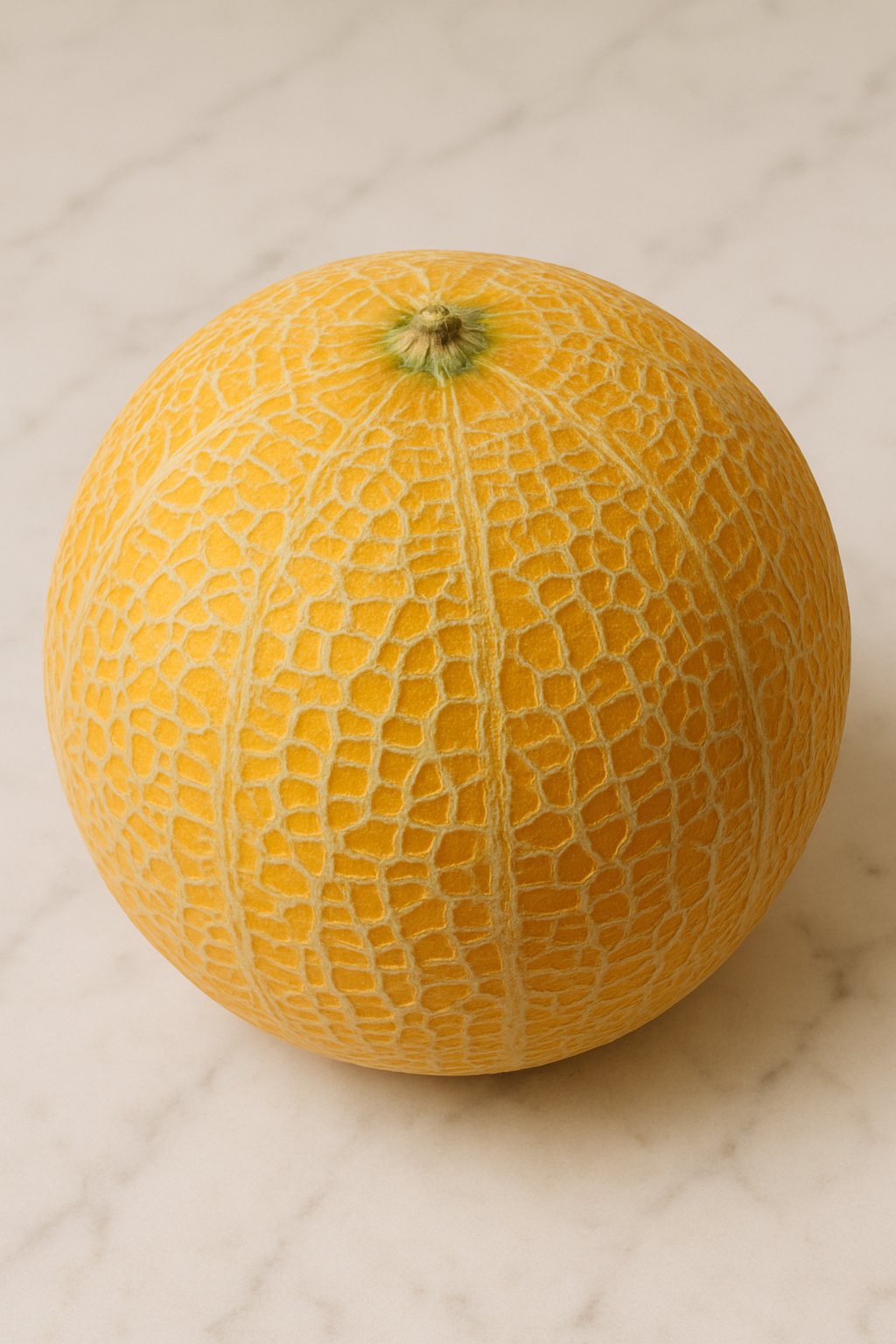
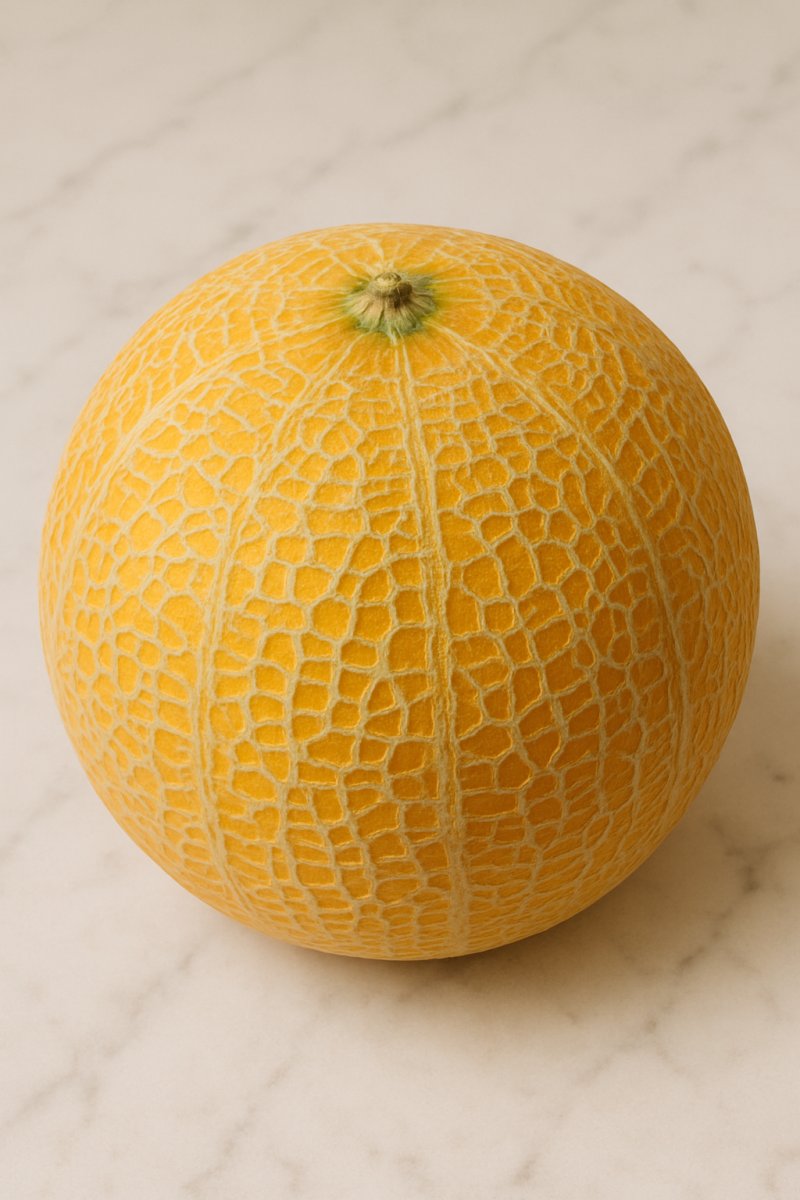
There are many different varieties of cantaloupe. Some are round, others more oval. The rind can be smooth or slightly netted — that's the pattern on the skin. Inside the flesh is usually orange or yellow, in some varieties even greenish. Here are some typical varieties, described as if for a child:
- Cantaloupe: This melon normally has a netted skin and bright orange flesh. It tastes very sweet and often has a strong aroma — like a sweet flower meadow.
- Galia: A smaller, round melon with slightly netted skin. The flesh is often pale green to yellow and is also sweet.
- Honeydew: Not to be confused with honey — it does not contain honey, it is called that because it is particularly sweet. It is usually oval and has smoother skin.
- Charentais: A French variety, rather small and very aromatic. It has an intense aroma that you can smell before cutting into it.
Some melons are specially bred to be longer-lasting or more robust for transport. This is useful when they have to travel far before reaching the supermarket. Other varieties are bred to be particularly sweet or particularly juicy. Breeders are like cooks who try to find the best mix of taste, appearance and shelf life.
Season tip and selection in the store
If you want to choose a good cantaloupe in the store, watch for a few simple things: it should feel heavy for its size (that means: a lot of juice inside), the rind should not have large pressure marks, and it should give off a slight sweet smell when you approach it. In summer, fresh local melons are often the best: they have not been transported so far and are therefore often more flavorful.
In summary: cantaloupes prefer warm regions, there are many varieties with different shapes, colors and flavors, and depending on the season and origin you can find them fresh in summer or imported year-round in trade.