Menu & categories

Hibiscus tea

Low-calorie, tart and fruity herbal tea made from hibiscus flowers

Wiki about hibiscus tea Nutri-Score A Vegan Yes Gluten-free Yes Lactose-free Yes Nut-free Yes
NUTRITION / 100 ml
2 kcal 0.1 g Protein 0.5 g Kohlenhydrate 0 g Fett

Introduction

Cup with deep-red brewed hibiscus tea
When I think of hibiscus tea, a very special experience immediately comes to mind. It was a hot summer day when I was sitting with a friend in a small café on the edge of town. While we watched the cool breeze, we ordered two glasses of hibiscus tea. The first sip was like a sparkling vacation for my taste buds – a refreshing mix of fruity sweetness and a light tartness that instantly reminded me of tropical beaches.

Hibiscus tea, made from the dried flowers of the hibiscus, not only has an irresistible taste but also a range of health benefits. I remember a colleague telling me once that he drinks hibiscus tea regularly to lower his blood pressure. That made me curious. In fact, I did a little research and found that hibiscus tea is rich in antioxidants and has anti-inflammatory properties. These little red flowers are therefore not only a treat for the palate but also a true health elixir.

Preparation is very simple. You only need dried hibiscus flowers, hot water and perhaps some honey or lemon for that extra touch. When I make the tea, I enjoy watching the flowers dance in the water as they release their bright red color. It's almost like a little work of art in my teacup.

  • A refreshing drink: Ideal for hot days, can also be served cold.
  • Versatile: Perfect for cocktails or as a base for other drinks.
  • Health benefits: Supports heart health and is rich in vitamin C.
Hibiscus tea is also especially recommended for those watching their figure. It has almost no calories and can help curb appetite. I can still clearly remember a picnic with friends where, instead of lemonade, we served hibiscus tea with fresh berries. The looks on my friends' faces when they tried this unusual but delicious tea were priceless.

In summary, hibiscus tea is not only a delicious drink but also a healthy choice that I like to incorporate into my daily routine. Next time you're looking for a refreshing drink, think of the bright red hibiscus flowers that will surprise you with their taste and benefits. Cheers to life and a good tea!

Availability & types

Hibiscus tea is a refreshing beverage made from the flowers of the hibiscus plant. This plant has its roots in tropical and subtropical regions of the world. Hibiscus originally comes from Africa and Asia, where it has been used for centuries in traditional medicine and cuisine. Today hibiscus tea is enjoyed in many countries around the world and is known for its fruity taste and bright red color.

The most important variety for tea preparation is Hibiscus sabdariffa, also known as "Roselle". This plant has large, showy flowers that, when dried, are the main ingredient for the tea. The flowers are not only beautiful but also full of healthy compounds that make the tea special.

Hibiscus is grown in various parts of the world. The main cultivation areas are:

  • Egypt: Hibiscus is grown here in large quantities, especially in the region around the Nile. Egyptian hibiscus is known for its high quality and intense flavor.
  • Sudan: Hibiscus has also long been cultivated in Sudan. The plants grow there in the warm, sunny conditions they love.
  • Caribbean: In countries like Jamaica, hibiscus is often used to prepare tasty drinks. There it is frequently mixed with sugar and spices.
  • Mexico: In Mexico hibiscus tea, known as "Agua de Jamaica", is very popular and is often served with lime and sugar.
If you want to buy hibiscus tea, you'll find it in many different forms and varieties. Here are some of the most common:

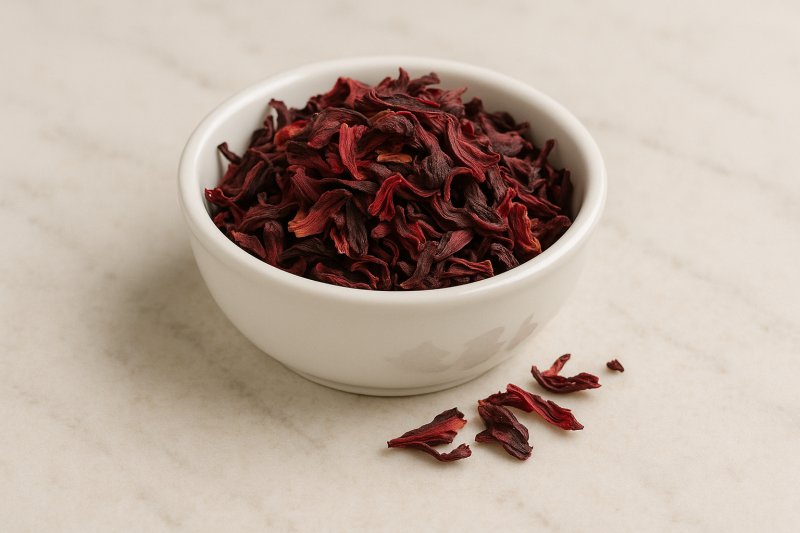
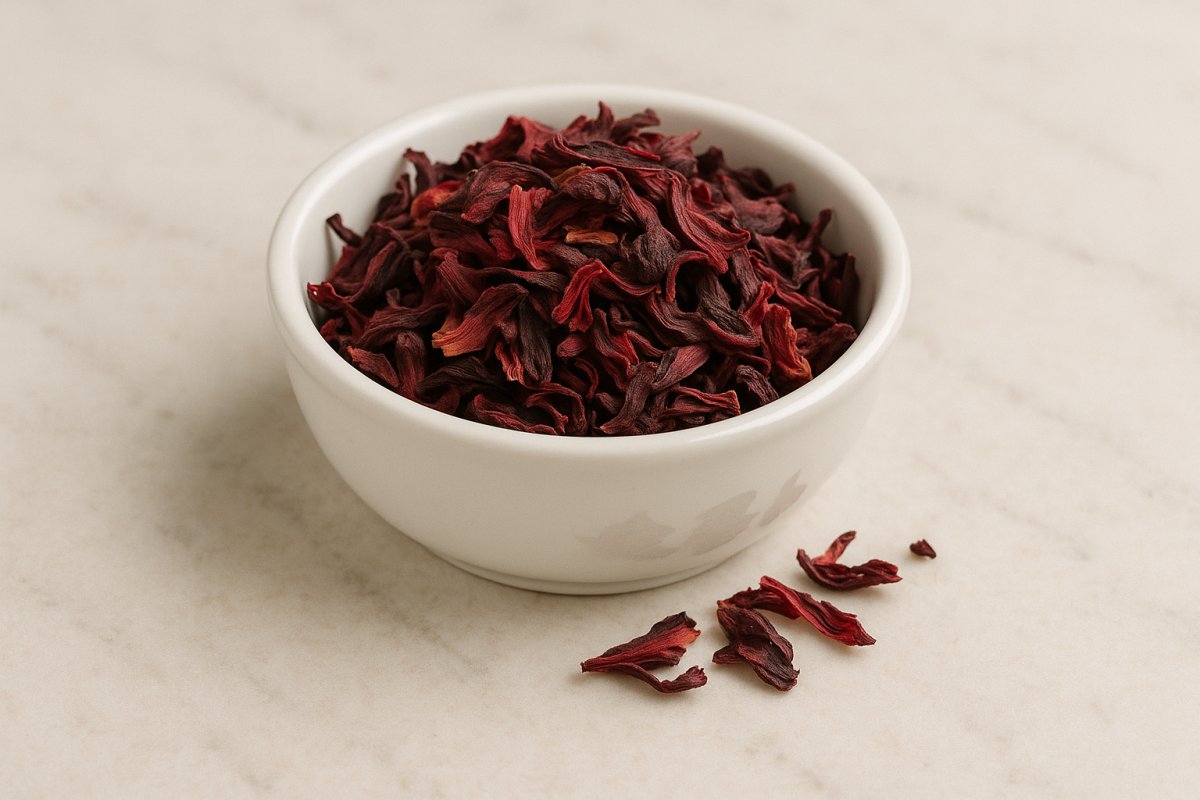
  • Loose flowers: You can find these dried flowers in tea shops or online. You can simply pour hot water over them and prepare your own tea.
  • Tea bags: Many brands offer hibiscus tea in convenient tea bags. These are super easy to prepare, as you only need to steep them in hot water.
  • Ready-made drinks: In some supermarkets you can find prepared hibiscus drinks in bottles or cans. These are often sweet and very refreshing, perfect for hot days.
  • Blended teas: Hibiscus is also often combined with other herbs and fruits, such as apple or mint. These blends offer different flavors and are a great way to enjoy hibiscus tea in new ways.
The availability of hibiscus tea today is great. You can find it in many supermarkets, tea shops and online. If you're interested in the different varieties, it's a good idea to try different brands to find the flavor you like best. Whether you drink hibiscus tea hot or cold, it is a delicious and healthy beverage that can help you feel refreshed and invigorated.

Details & nutrition

Property Value
Unit ml
Calories per 100 2
Protein per 100 0.1
Carbohydrates per 100 0.5
Sugar per 100 0.3
Fat per 100 0
Saturated fat per 100 0
Monounsaturated fat 0
Polyunsaturated fat 0
Fiber per 100 0
Vitamin C (mg) per 100 5
Vitamin D (IU) per 100 0
Calcium (mg) per 100 8
Iron (mg) per 100 0.3
Nutri-Score A
CO₂ footprint 10
Origin Infusion made from the dried calyces of the hibiscus plant (Hibiscus sabdariffa), typically from tropical and subtropical growing countries such as West Africa, Sudan or Egypt.
Gluten-free Yes
Lactose-free Yes
Nut-free Yes
Vegan Yes
Note Nutritional values for unsweetened, brewed hibiscus tea (pure herbal tea without sugar or other additives). Adding sugar, honey, syrup or fruit juices significantly increases calories and carbohydrates.

Technical & scientific information

Hibiscus tea, an herbal tea made from the dried calyces of the hibiscus flower (Hibiscus sabdariffa), is popular worldwide. Its strong aroma and bright red color make it not only a gustatory but also a visual pleasure. Preparation is done by pouring hot water over the dried flowers, releasing the characteristic aromas and nutrients.

Chemical composition and constituents
Hibiscus tea is rich in bioactive compounds that give it numerous health-promoting properties. The main constituents include:

  • Antioxidants: Hibiscus contains a variety of antioxidants, particularly anthocyanins, which are responsible for the red color of the flowers. These compounds help neutralize free radicals in the body and may contribute to the prevention of chronic diseases.
  • Vitamins: Hibiscus tea is a good source of vitamin C, which plays an important role in the immune system and acts as an antioxidant. Smaller amounts of B vitamins are also present.
  • Minerals: Minerals present include magnesium, potassium and calcium, which are essential for numerous physiological functions in the body.
  • Organic acids: The tea also contains organic acids such as citric acid and malic acid, which contribute to the refreshing taste and give a slight tart note.
Nutritional values
Hibiscus tea is low in calories, as it consists mainly of water and dissolved constituents. Per 100 ml, hibiscus tea typically contains less than 10 calories, making it an ideal beverage for calorie-conscious people. It is also naturally caffeine-free, making it an excellent choice for those looking to reduce their caffeine intake.

Processing methods
The production of hibiscus tea begins with the harvest of the hibiscus flowers. The flowers are typically cultivated in tropical and subtropical regions such as Africa, the Caribbean and parts of Asia. After harvest, the flowers are carefully dried to preserve their aromas and nutrients. Drying is often done in the sun or in dedicated drying facilities to ensure even and gentle dehydration.

Health aspects
The health benefits of hibiscus tea are the subject of numerous scientific studies. Some of the most notable benefits include:

  • Blood pressure regulation: There is evidence that hibiscus tea may help lower blood pressure, particularly in people with mildly elevated blood pressure.
  • Cholesterol reduction: Some studies suggest that consuming hibiscus tea may help lower LDL cholesterol levels and improve total cholesterol.
  • Support for digestion: Hibiscus tea can promote digestion and help in regulating the gastrointestinal trac
Wiki entry for: hibiscus tea
Active now: 17 visitors of which 2 logged-in members in the last 5 minutes