Availability and types of head lettuce
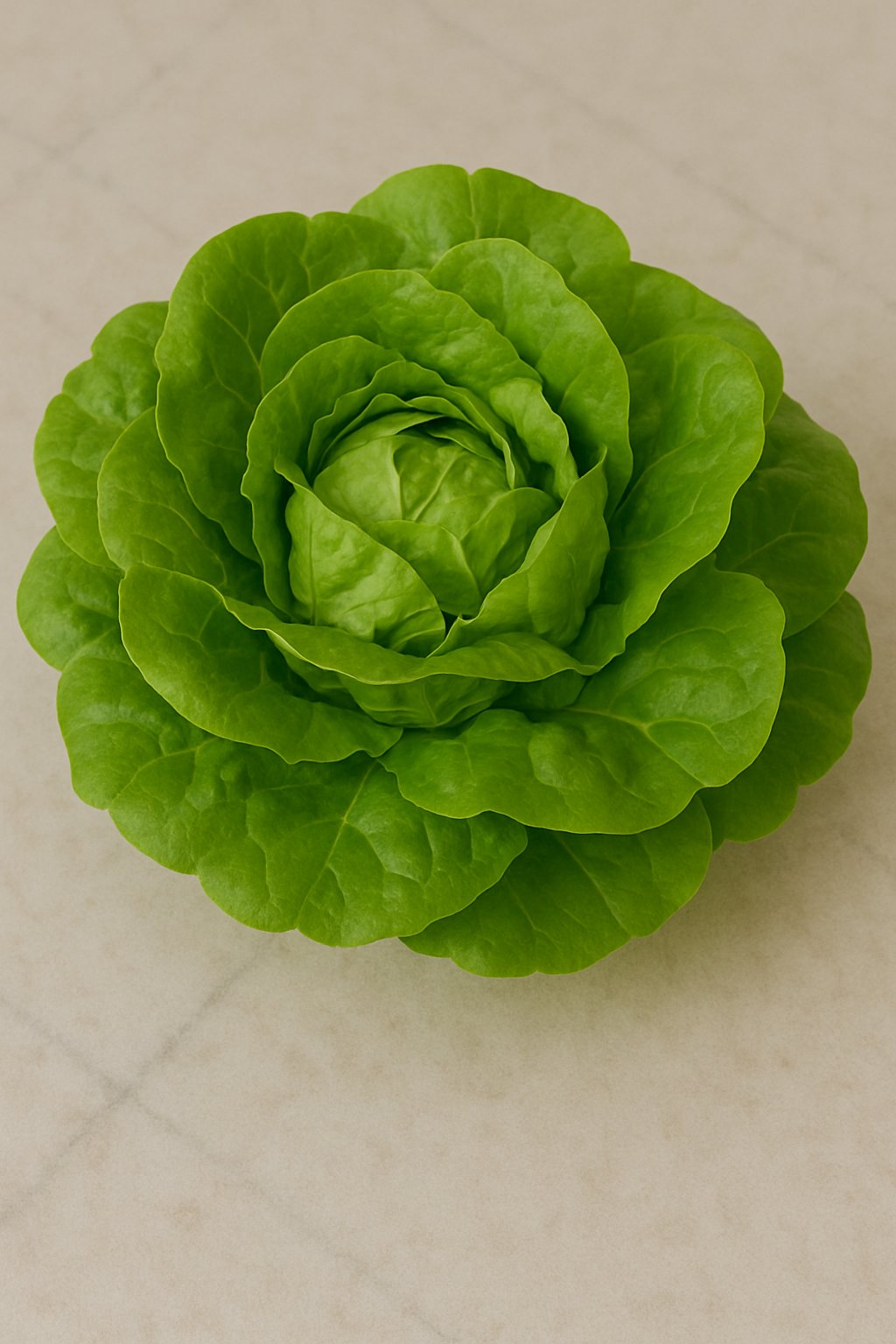
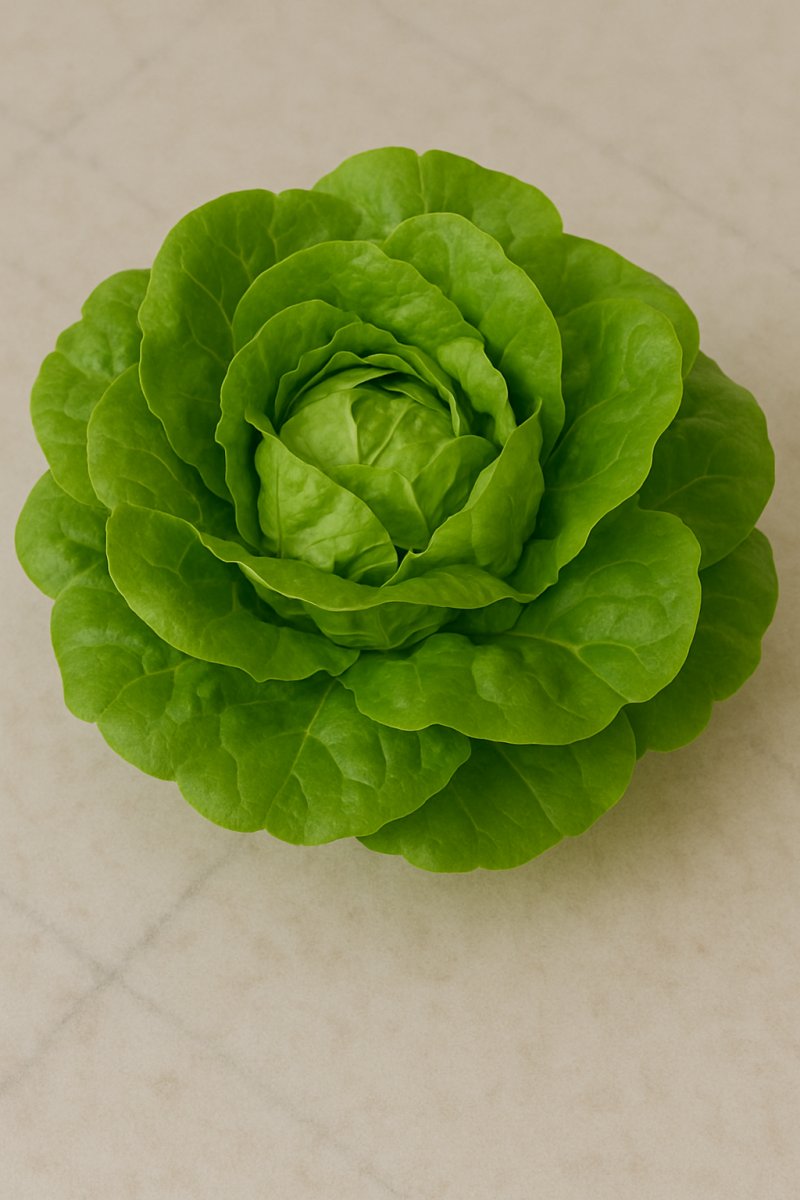
Head lettuce, often simply called “lettuce head”, is one of the most popular leaf lettuces worldwide. It belongs to the large family of Asteraceae and has been cultivated as a vegetable for centuries. If you see a round, compact head with tender, light-green leaves at the supermarket or farmer's market, it is most likely head lettuce. It tastes mild, is crunchy and pairs well with many dishes – from a simple sandwich to a colorful salad plate.
Origin and cultivation
Head lettuce originally derives from wild lettuce, which occurred around the Mediterranean, in Western Asia and parts of Europe. The ancient Romans already knew and appreciated lettuces. Over the centuries gardeners and farmers have bred many varieties that are today grown in most European countries, in North America and parts of Asia. Head lettuce grows best in temperate climates – that means: not too hot and not too cold. It prefers cool temperatures and plenty of light. In intense summer heat it quickly bolts (this is called “bolting”) and becomes bitter. Therefore it is often harvested in spring and autumn.
Year-round availability
Fresh head lettuce is available in many regions almost year-round, but the best time is usually from spring to early summer and again in early autumn. Modern greenhouse production and protected open-field cultures significantly extend the season. You will therefore often find head lettuce in supermarkets all year – either grown locally in season or imported when it is too cold outside. Look for crisp, juicy leaves and a fresh smell. Limp, spotted or brown leaves are a sign that the lettuce is no longer very fresh.
Why the season matters
In peak season head lettuce usually tastes best, costs less and often comes from the region. This is good for the environment because transport distances are shorter. Also, heads in season are often particularly tender and flavorful. Out of season, greenhouses and warmer growing regions take over supply so you can have lettuce even in winter