Menu & categories

Hazelnut Glaze

Sweet temptation with the taste of hazelnuts.

Wiki about hazelnut glaze Nutri-Score C Vegan Yes Gluten-free Yes Lactose-free Yes Nut-free No
NUTRITION / 100 g
500 kcal 6 g Protein 55 g Kohlenhydrate 30 g Fett

Introduction

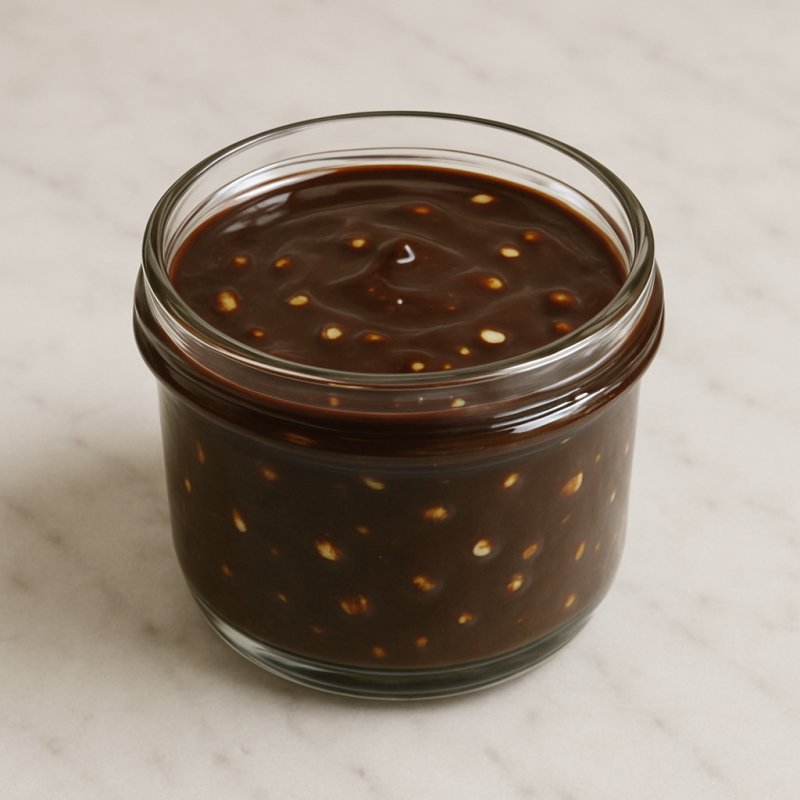
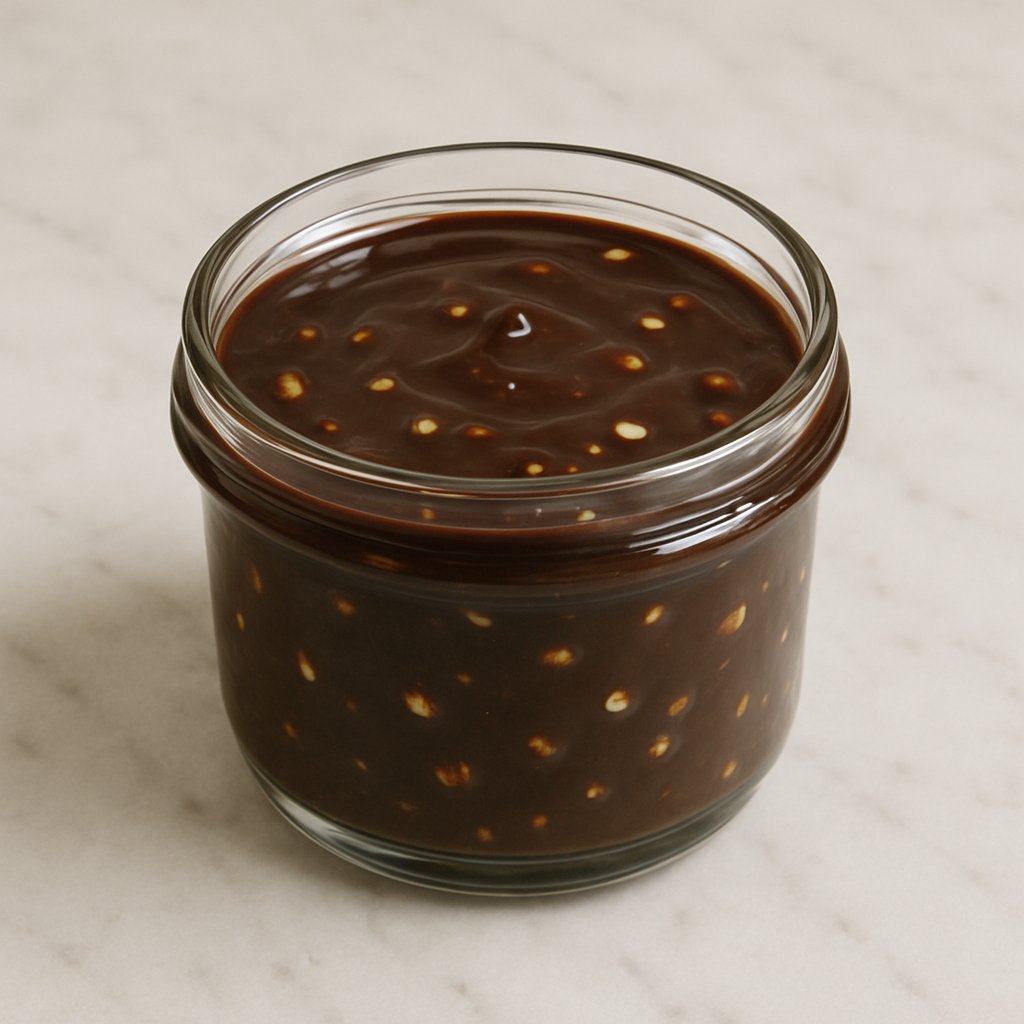
A jar of hazelnut glaze on a wooden surface.
I still clearly remember my first encounter with hazelnut glaze. It was at a small, charming market in a picturesque village, where the air was full of sweet scents and the stalls were overflowing with fresh baked goods. A colleague of mine had just decorated a cake with this extremely seductive glaze, and I was immediately smitten. Hazelnut glaze has a way of enticing the senses that you just can't shake off.

The hazelnut glaze is not just an ingredient; it is the secret weapon that turns any dessert into something extraordinary. I have since used it in countless recipes - from classic cakes to creative cupcakes. The combination of the nutty aroma of hazelnuts and the sweet, smooth texture simply makes everyone swoon. When I have guests, I can always rely on their reactions when they taste the first slice. It's like serving a small piece of happiness on a plate.

To create the perfect hazelnut glaze, I usually use freshly roasted hazelnuts that I grind beforehand. The aroma released is simply heavenly. I then mix them with powdered sugar and a little cream to reach the perfect consistency. Here are some tips I've gathered over the years:

  • Roasting the hazelnuts: Never use the nuts unroasted. Roasting greatly enhances the flavor.
  • Adjusting consistency: If the glaze is too thick, simply add a little more cream until it reaches the desired creaminess.
  • Variations: I like to experiment with different flavors like vanilla or espresso to give the glaze a personal touch.
I remember one evening when I had invited my family for a small dessert night. I had poured the hazelnut glaze over a simple chocolate cake. The faces of my relatives when they took the first forkful of the cake were priceless. There was a moment of silence, followed by a collective “Mmmh”. I knew I had won another fan for this delicious glaze.

So the hazelnut glaze is not just an ingredient, but an experience. It brings joy and a bit of magic into the kitchen. Every time I use it, I feel like I'm conjuring a piece of my culinary heart onto the plate. Try it, and you'll see how your guests will be delighted too!

Availability & types

Hazelnut glaze is a delicious ingredient that gives many sweets and desserts a special flavor. But where do the hazelnuts used for it come from? Let's explore together the origin, growing regions and available varieties of hazelnut glaze.

Hazelnut has a long history and originates from the eastern Mediterranean. Today it is grown in many countries, but the largest producers are Turkey, Italy and Spain. These countries offer the ideal climatic conditions for hazelnut growth, as they require plenty of sunshine and suitable temperatures.

Hazelnut trees grow best in temperate climates, where winters are cool and summers are warm. In these regions there are often fertile soils that help the trees produce healthy and tasty nuts. If you have ever seen a hazelnut tree, you will notice that it is not very tall. The trees can reach up to 5 to 6 meters in height and have a rounded shape with many leaves.

There are different varieties of hazelnuts that differ in size, flavor and use. Here are some examples:

  • Barcelona: This variety is very popular and has a large, round shape. It has a sweet taste and is perfect for making hazelnut glaze.
  • Ennis: These nuts are somewhat smaller, but very aromatic. They are often used in chocolate production.
  • Corylus avellana: This is the scientific name for the hazelnut. This variety is the most widely cultivated and well-known.
When we talk about hazelnut glaze, many people think of the chocolatey and nutty mixture found on many desserts. This glaze is often made from roasted hazelnuts, sugar and sometimes chocolate. There are different variants of hazelnut glaze that can vary in their ingredient lists. Some are sweeter and creamier, while others have a more intense nut flavor.

A popular variant is the hazelnut-chocolate glaze, often used on cakes or cupcakes. This glaze combines the sweetness of chocolate with the nutty aroma of hazelnuts, making it a perfect choice for chocolate lovers. Another variant is the hazelnut cream glaze, which has a softer and creamier texture and is excellent for cake fillings.

The availability of hazelnut glaze may vary by region. In many supermarkets you can find it in the baking aisle or in the candy section. You can also buy hazelnut glaze online, which makes it easy to obtain this delicious ingredient no matter where you live.
Details & nutrition

Property Value
Unit g
Calories per 100 500
Protein per 100 6
Carbohydrates per 100 55
Sugar per 100 45
Fat per 100 30
Saturated fat per 100 3
Monounsaturated fat 20
Polyunsaturated fat 7
Fiber per 100 4
Vitamin C (mg) per 100 0
Vitamin D (IU) per 100 0
Calcium (mg) per 100 15
Iron (mg) per 100 1
Nutri-Score C
CO₂ footprint 1.2
Origin Italy
Gluten-free Yes
Lactose-free Yes
Nut-free No
Vegan Yes
Note Ideal for desserts and for enhancing baked goods.

Technical & scientific information

The hazelnut glaze is a flavorful ingredient commonly used in the confectionery industry as well as in high-end pastry. It is characterized by its nutty taste and creamy texture, making it ideal for coating pralines, pastries and other sweets. This specialty is made from hazelnuts, sugar and often additional ingredients such as cocoa butter or vegetable oils to achieve a smooth and glossy surface.

Chemical composition and ingredients
The main components of hazelnut glaze are hazelnuts, which contain a variety of bioactive compounds and nutrients. These nuts are rich in unsaturated fatty acids, particularly oleic acid and linoleic acid, which are known for their positive effects on the cardiovascular system. Furthermore they contain:

  • Proteins: Hazelnuts consist of about 14-16% plant protein, making them a valuable source of protein.
  • Carbohydrates: The carbohydrate content is around 6-8%, mainly in the form of fiber, which is good for digestion.
  • Vitamins and minerals: Hazelnuts contain important vitamins such as vitamin E, which acts as an antioxidant, as well as minerals like magnesium, potassium and calcium.
  • Phenolic compounds: These compounds have antioxidant effects and may possess anti-inflammatory properties.
The exact composition of hazelnut glaze varies depending on the manufacturer and the recipe. The glaze is often enriched by adding sugar, cocoa butter or vegetable fats to optimize texture and flavor.

Processing methods
The production of hazelnut glaze takes place in several steps:

  • Roasting the hazelnuts: To intensify the aroma, hazelnuts are often roasted. This process leads to the formation of roast aromas and improves the flavor.
  • Grinding: Roasted hazelnuts are ground into a fine paste, known as hazelnut cream. This cream is the basis for the glaze.
  • Mixing: The hazelnut cream is then mixed with sugar, cocoa butter and possibly other ingredients to achieve the desired consistency and flavor.
  • Tempering: To obtain a glossy surface, the glaze is tempered, which optimizes the melting point of the fats and improves the texture.
Health aspects
Hazelnut glaze has not only culinary but also health benefits. Due to its high content of unsaturated fatty acids, vitamins and minerals, it can be part of a balanced diet when consumed in moderation. The antioxidants contained support the immune system and may reduce the risk of chronic diseases.

Wiki entry for: hazelnut glaze
Active now: 20 visitors of which 2 logged-in members in the last 5 minutes